Hey everyone, I’m Jake, and if you’ve worked with sheep handling systems for more than five minutes, you know clean isn’t just a vibe—it’s non-negotiable. As the guy who’s spent the last 10 years building and fixing these systems (you’ve probably used one of my suppliers’ setups if you’ve hauled sheep to a show or processing plant), I’ve seen firsthand what happens when corners get cut on cleaning. Foot rot outbreaks, bacteria that makes sheep sick, even slip hazards for your crew. This isn’t some overly technical textbook post—this is the stuff I’ve learned from hauling muck, scrubbing panels at 5 a.m., and bailing my guys out when a dirty system cost a farmer a $2,000 batch of market lambs. Let’s break down how to actually clean a sheep handling system right, no fancy jargon required. Sheep Handling System
First, let’s get one thing straight: your sheep handling system isn’t just the panels and gates you drive through—it’s the whole shebang. I’m talking the sort of race they walk through after they’re loaded off the trailer, the sort of chute they stand in for shearing or processing, the sorting gates, even the sorting table. Everything that touches sheep (or their manure, urine, and that weird stuck-on hay gunk that never seems to leave). Skipping a spot on the race? That’s where a pile of old muck builds up, and next thing you know, sheep are stepping in it, getting infections, and you’re dealing with headaches you don’t need. Pro tip: I always tell new customers a clean system works smoother too—no sheep slipping on wet, mucky metal, no gates sticking because old feed got in the hinges. It’s a win-win.
Now, let’s talk timing. This is the part where most people mess up. You can’t wait till the end of shearing season to deep clean your entire setup. I do a quick daily clean, a weekly touch-up, and a full deep clean every 30 days—even if the system looks “fine.” Daily is super simple: grab a stiff push broom, sweep up all the dry manure, leftover hay, and straw every single day after you’re done working sheep. Don’t just leave that stuff there—it’ll get rained on, turn into that crusty concrete-like gunk, and be way harder to scrape off later. I keep a $10 push broom and a small bucket at the barn entrance for this exact job—no excuses.
Weekly touch-ups? That’s where you knock down the light stuff. If there’s urine spots on metal panels, or a little poop caked in the corner of the sorting gate, spray that spot with a mild detergent (no bleach, hold up—we’ll get to that) and scrub it with a medium bristle brush. For the parts that are hard to reach, like the hinges on gates or the gaps between race panels, use an old toothbrush or a small wire brush. Those tiny spots hold bacteria that can make sheep susceptible to things like bacterial mastitis or foot rot, so don’t sleep on ’em.
The big one is the monthly deep clean—this is what I’m gonna walk you through step by step, because this is where the actual sanitizing happens, not just surface cleaning. Let’s start with prep, because you don’t wanna be carrying a 5-gallon bucket of soapy water through mud or tripping over a loose gate mid-scrub. First step: take the entire system apart as much as possible. Remove sorting gates, take apart any removable panels, lift the sorting table off its stand. Why? Because it’s way easier to clean every single part when it’s not bolted together, tucked against other parts. I always suggest doing this on a dry day, too—wet metal rusts faster, and you don’t wanna deal with that extra mess.
Next, pre-rinse. Not just a quick spray—hit every single part, every nook and cranny, with a high-pressure hose (or even a regular garden hose if you don’t have a power washer, though a power washer cuts the time in half). The goal here is to get all the loose gunk off before you even touch detergent. Let that soak for 5 minutes if the manure is really crusted on—water softens it right up, no need to scrub extra hard. Pro move here: if some parts are super stuck, like old hay wrapped around a hinge, let the water sit there for 10 minutes, then pull it off with a putty knife or a flathead screwdriver. Don’t gouge the metal, though—scratches hold bacteria too, same as crusted muck.
Now, the cleaning solution part. This is where so many people mess up by using the wrong stuff. Let’s get one rule straight: bleach is for disinfecting, not regular cleaning. If you use bleach every time, it’ll eat through the metal panels over time, and it’s not even that good at cutting through organic gunk like manure. For regular cleaning and scrubbing, use a mild, pH-neutral detergent—nothing too harsh, like the kind you use for washing your car works perfectly, or even a 50/50 mix of white vinegar and warm water if you wanna go natural (I’ve used this for years on small setups, works like a charm). When you scrub, use a stiff bristle brush for metal and hard plastic parts (most modern handling systems are high-density plastic, by the way—those clean way easier than old wood ones), and a softer brush for any rubber parts like gate seals (those hold a lot of moisture, so make sure you scrub ’em well).
Once you’ve scrubbed every single part, it’s time to sanitize. This is the part that kills the bacteria and viruses we can’t see. Like I said, bleach works here—mix 1/4 cup of regular household bleach (not the scented kind, not the splashless kind—plain old Clorox or whatever) with 1 gallon of cool water. Warm water makes bleach break down faster, so stick to cool. Spray that on every part, and let it sit for at least 10 minutes. Don’t rinse it off immediately—you need that contact time to kill the nasties. If you don’t wanna use bleach, there are livestock-safe sanitizers out there—they’re a little pricier, but great if you’re raising organic sheep or have show lambs you don’t wanna expose to chemicals. I always tell my customers that show lambs need extra care, because they’re crowded together for days at shows, so a good sanitizer that’s safe for their skin is a must.
After the sanitizer has sat, rinse everything thoroughly. All of it. I mean, even the parts that looked like they were spotless. Residual sanitizer can be bad for sheep’s feet or if they lick the metal, so don’t skip this step. Let all the parts air-dry completely before you put the system back together. I know, I know—you’re in a hurry to get back to work, but if you don’t let it dry, you’re just trapping moisture, which leads to rust and bacteria growth. I usually set all the parts against the barn wall or on a tarp to dry for a couple hours, even if it’s sunny out.
Wait, we’re not done—there are the tricky spots most people forget. Let’s run through those, ’cause these are the ones that cause the most problems. First, hinges and moving parts. Those get covered in grime all the time, and if you don’t clean ’em, gates get sticky, and you gotta yank ’em open with way more force than necessary. When you’re cleaning hinges, take a minute to spray them with a little lubricant after you’re done cleaning—WD-40 works great, just don’t overdo it, because sheep might step in it.
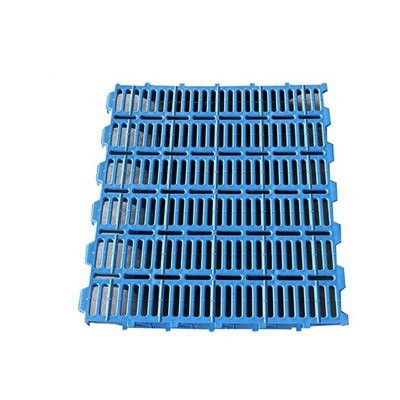
Second, the race floor. This is a big one—sheep stand here all the time, so it’s always covered in something. If your race has a slatted floor, scrub between the slats with a small brush, not just spray it. If it’s a solid metal or plastic floor, make sure to scrape any stuck-on muck off first before you scrub. I once had a farmer tell me he thought his race floor was clean, but when I looked, there was a 6-inch pile of old manure caked under the slats that he never cleaned. That’s how foot rot starts, right there.
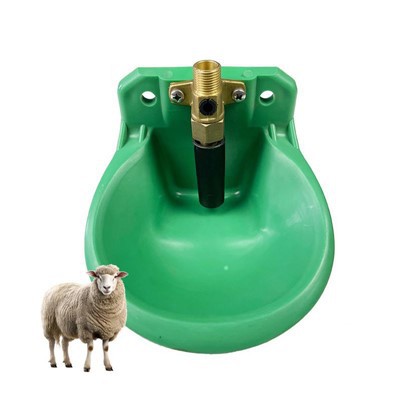
Third, the waterer or feed trough area. Wait, some handling systems have built-in waterers, right? Yeah, those need cleaning too. Empty all leftover water, scrub the trough with detergent, sanitize, rinse, and refill with fresh water. If you leave old water there, it grows algae and bacteria that can make sheep sick.
Now, what about after you use the system? Any time you have a group of sheep through it, even for 10 minutes, do a quick sweep. I mean, that takes 2 minutes, and prevents the muck from building up. I always tell my crew, right after the last sheep walks out the gate, grab the push broom and sweep the race. No exceptions. It’s way easier than dealing with a crusty mess next week.
Also, let’s talk about maintenance for the system itself, because a well-maintained system is way easier to clean. If you have old wooden panels, seal them every year—wood absorbs moisture and manure, making it impossible to get clean. For metal panels, touch up any scratches with rust-resistant paint. Rust spots are like little bacteria magnets, so take care of them before they get bad. If you have plastic panels, make sure they’re not cracked—cracks hold muck like you wouldn’t believe.
Wait, what about common mistakes people make? Let’s name a few, so you don’t do ’em. First, using a pressure washer on too high a setting, gouging the metal or plastic. That creates tiny crevices that hold bacteria, so it’s counterproductive. Keep your pressure washer on low to medium. Second, not using gloves. Manure is gross, and it can carry all kinds of bacteria that you don’t wanna get on your hands or in a cut. Always wear rubber gloves when cleaning. Third, waiting too long between deep cleans. I’ve seen farmers wait till fall to deep clean, and by then, the whole system is a breeding ground for disease. Don’t be that guy. Fourth, using harsh chemicals that aren’t livestock safe. Some detergents are toxic, and if sheep step in the wet gunk or lick the panels, that can make them sick. Stick to the stuff I mentioned—pH-neutral detergent, mild bleach solution, or livestock sanitizer.
Let me give you a quick example of how this works, from a customer of mine. A few months back, I worked with a sheep farmer in Ohio who was having constant foot rot issues, and he was losing like 3 lambs a month to it. He said he cleaned his system once a month, but when I came out, I saw he was just hosing it off with plain water—no detergent, no sanitizer. We did a deep clean together: took the whole system apart, pre-rinsed, scrubbed with pH-neutral detergent, sanitized with bleach, and dried it completely. He started doing the daily sweep and weekly touch-up too. Three months later, he told me he hadn’t had a single foot rot case, and his sheep were way calmer in the system, probably because it wasn’t slippery from muck. That’s how much difference this makes.
Now, a quick note on what kind of system you have matters too. I sell both portable systems and fixed in-ground ones, and the cleaning process is basically the same, but portable systems are way easier to deep clean because you can move them to a flat area to hose them down, instead of trying to clean a fixed race in the mud. If you have a portable system, don’t just leave it parked and dirty between uses—clean it before you store it for the off-season, or you’ll come back to a rusted, bacteria-covered mess when you need it next.
Let’s wrap this up. The whole point of cleaning a sheep handling system isn’t just to make it look nice. It’s to keep your sheep healthy, keep your crew safe (no slips, no stuck gates), and make your whole operation run smoother. I’ve been at this long enough to know that skipping a 30-minute deep clean ends up costing you way more in vet bills, lost sheep, and stress later.
If you’re in the market for a new sheep handling system, or you just have questions about maintaining the one you already have, hit me up. I’m always happy to chat, no pressure. If you’re not sure what size system you need, or what kind works best for your farm, just reach out. I’ve helped hundreds of farmers get set up with systems that are easy to clean and work great for their flock, and I can help you too. No fancy sales pitches, just real advice from someone who’s been there.
Now, let’s keep this simple, right? Clean daily, touch up weekly, deep clean monthly, use the right stuff, hit the tricky spots, and don’t make the mistakes everyone else makes. Your sheep will thank you, your crew will thank you, and you’ll save yourself a ton of headache down the line.
Sheep References:
- University of Idaho Extension. (2021). Cleaning and Sanitizing Livestock Handling Equipment. Moscow, ID: University of Idaho.
- American Sheep Industry Association. (2020). Best Management Practices for Sheep Health and Biosecurity. Centennial, CO: American Sheep Industry Association.
- Food and Agriculture Organization of the United Nations. (2019). Cleaning and Disinfection of Small Ruminant Handling Facilities. Rome, Italy: FAO.
Hebei Honde Industrial Trade Imp & Exp Co., Ltd.
With abundant experience, we are one of the most professional sheep handling system manufacturers and suppliers in China. We warmly welcome you to wholesale high quality sheep handling system for sale here from our factory. We also accept customized orders.
Address: Room 1904, Yintai International Building, No.36 Guang’an Street, Shijiazhuang, Hebei, China
E-mail: Helen@hbhonde.com
WebSite: https://www.hondelivestocksupply.com/
