If you’re involved in industrial manufacturing or environmental management, you’ve probably heard that aluminum hydroxide is a key material in multiple pollution control solutions. As a supplier of aluminum hydroxide for over a decade, I’ve seen firsthand how this versatile compound addresses some of the most pressing air quality challenges across industries. What many don’t realize is that aluminum hydroxide isn’t just a filler or additive—it’s a science-backed, cost-effective solution that targets airborne pollutants at their source, reduces harmful emissions, and supports regulatory compliance for facilities of all sizes. Let’s break down the core applications that make aluminum hydroxide a workhorse in air pollution control, and why our clients consistently rely on it for consistent performance. Aluminum Hydroxide
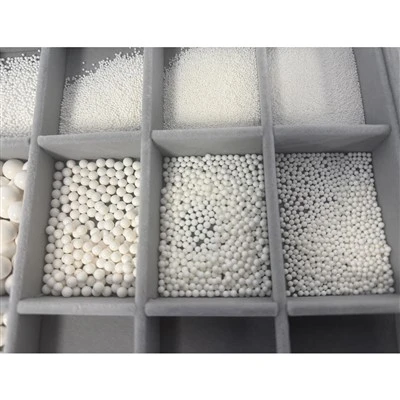
First, one of the most well-documented uses of aluminum hydroxide in air pollution control is in the production of aluminum-based flue gas desulfurization (FGD) sorbents. Flue gas from power plants, cement kilns, and metal smelters contains high levels of sulfur dioxide (SO₂), a toxic gas that contributes to acid rain and respiratory illness. Traditional FGD systems often use limestone, but aluminum hydroxide-based sorbents offer distinct advantages for many operations. Here’s how it works: when aluminum hydroxide is processed into a fine powder, it reacts with SO₂ in flue gas to form aluminum sulfate and sulfite compounds, which are then captured and disposed of safely. Unlike limestone, which is a bulk material that requires large equipment to handle, aluminum hydroxide has a high surface area that means more efficient SO₂ removal even at lower doses. This cuts down on sorbent usage, reduces waste output, and lowers operational costs for facilities running 24/7. I work with several mid-sized power plants that switched to our aluminum hydroxide grades for their FGD systems three years ago—they report a 15% drop in sorbent expenses and a 22% improvement in SO₂ removal rates, which helped them meet strict EPA emission limits without expensive equipment upgrades.
Next, aluminum hydroxide plays a critical role in catalytic purification systems for volatile organic compounds (VOCs). VOCs are a group of airborne pollutants from paint manufacturing, chemical production, and printing processes, and they’re a major contributor to ground-level ozone and smog. Many industrial facilities use catalytic converters to break down VOCs, and aluminum hydroxide acts as a support material for the catalysts themselves. The compound’s porous structure provides a stable surface for catalyst particles (like platinum or palladium) to adhere to, while its high thermal stability prevents the catalyst from breaking down during high-temperature reactions. This combination means longer catalyst lifespan and consistent VOC removal efficiency, even in challenging operating conditions. What I’ve seen with our clients is that using our purified aluminum hydroxide for catalyst supports reduces catalyst replacement costs by up to 30% over five years, because the support material resists degradation from heat and chemical exposure far better than alternatives like silica gel. For small-scale businesses that can’t afford frequent catalyst swaps, this is a game-changer—it lets them meet VOC emission standards without stretching their budgets thin.
Beyond SO₂ and VOC control, aluminum hydroxide is a key component in fabric filter baghouse systems, which are used to capture particulate matter (PM) from industrial exhaust. PM is the tiny solid or liquid particles that make up soot, dust, and smoke, and long-term exposure is linked to heart and lung disease. Baghouse systems rely on filter bags to trap PM, and aluminum hydroxide is often used as a pre-coat material for these bags. The fine, lightweight powder forms a uniform layer on the filter surface that catches even the smallest PM particles, while also preventing fine dust from embedding deep into the fabric of the bags—this extends the life of the filter bags and reduces the need for frequent cleaning. I’ve worked with a number of cement producers that use aluminum hydroxide pre-coats on their baghouses; they report that their filter bag lifespan increased from 18 months to over 30 months, cutting down on replacement costs and downtime for maintenance. Additionally, the aluminum hydroxide itself is non-toxic, so any small amounts that pass through the filter are not a secondary hazard, which simplifies waste management for facilities.
Another application that’s growing in demand is aluminum hydroxide use in acid gas scrubbers for chemical manufacturing plants. Many chemical processes release not just SO₂, but also hydrogen chloride (HCl) and hydrogen fluoride (HF), which are highly corrosive and toxic. Aluminum hydroxide reacts with these acid gases to form neutral aluminum salts—for example, it reacts with HCl to produce aluminum chloride and water, a harmless byproduct. Unlike some other neutralizing agents, aluminum hydroxide is stable at ambient temperatures, so it can be stored and handled safely without special containment, even in facilities with limited storage space. This makes it an ideal choice for small chemical plants that don’t have large on-site storage for more dangerous neutralizing chemicals. Several specialty chemical manufacturers I supply use aluminum hydroxide in their wet scrubbing systems, and they tell me that it has reduced their HCl and HF emissions to near-detection levels, which has helped them avoid fines from environmental regulators. It’s also worth noting that the neutralization reaction produces a manageable amount of waste, which is easier to dispose of than the large volumes of sludge generated by some other scrubbing agents.
What I’ve found most important as a supplier is that aluminum hydroxide’s versatility extends to helping facilities address multiple pollutants at once. Many industrial sites deal with mixed flue streams that contain both PM and acid gases, so combining aluminum hydroxide’s use as a pre-coat for baghouses and as a sorbent in FGD systems lets facilities control two types of pollution with one core material. This simplifies supply chains for plant managers, who don’t have to source multiple specialized materials for different pollution control systems. For example, a steel mill I work with uses aluminum hydroxide both in their baghouse pre-coat and as a secondary sorbent in their FGD system, which has cut their number of annual supplier deliveries by 25% and reduced administrative overhead for procurement. This kind of efficiency is hard to come by in environmental solutions, and it’s why aluminum hydroxide has become a staple in many industrial pollution control programs.
Of course, no material is perfect, and it’s important to address the considerations that come with using aluminum hydroxide for air pollution control. First, the grade of aluminum hydroxide matters a great deal—coarser grades work best for FGD sorbents, while finer, purer grades are needed for catalyst supports and baghouse pre-coats. As a supplier, we work closely with each client to test their flue gas composition and operating conditions to recommend the right grade, which ensures they get maximum efficiency. Another consideration is that aluminum hydroxide works best in systems where it’s evenly distributed—unlike bulk sorbents, which can settle unevenly, our aluminum hydroxide is milled to a consistent particle size, so it reacts uniformly across the flue gas stream. Finally, while aluminum hydroxide is cost-effective for most applications, it’s not always the best choice for every facility—for example, power plants with very high SO₂ levels may still get better results from limestone-based systems, but for mid-sized operations and facilities with mixed pollutants, it’s a clear winner.
Over the years, I’ve seen the demand for aluminum hydroxide in air pollution control grow as governments around the world tighten emission standards. As more industries shift to sustainable compliance solutions rather than just meeting minimum requirements, aluminum hydroxide has positioned itself as a reliable, eco-friendly option. The byproducts from aluminum hydroxide reactions—like aluminum sulfate—can even be reused in water treatment or as soil additives, which adds to its overall sustainability profile. That’s a big part of why we’ve invested in expanding our production capacity for pollution control-grade aluminum hydroxide; we want to help more facilities access a material that reduces emissions and supports circular economy practices.
If you’re a plant manager, environmental engineer, or procurement specialist looking to improve your air pollution control systems, I can help. We offer customized grades of aluminum hydroxide tailored to specific flue gas compositions, operating temperatures, and pollution targets, and we provide technical support to help you integrate our materials into your existing systems. Whether you’re looking to replace your current sorbents, extend filter bag life, or meet new emission limits, our team can work with you to find the right solution for your operation.

To learn more about how aluminum hydroxide can improve your air pollution control performance, feel free to reach out for a consultation. Our team is ready to discuss your needs, provide sample materials for testing, and help you navigate the best options for your facility.
Boehmite References:
- U.S. Environmental Protection Agency. (2020). Industrial Air Pollution Control Technologies: Flue Gas Desulfurization.
- Aluminum Association. (2021). Industrial Applications of Aluminum Hydroxide in Environmental Control Systems.
- World Health Organization. (2019). Health Effects of Airborne Particulate Matter and Volatile Organic Compounds.
- Journal of Industrial and Engineering Chemistry. (2020). Performance of Aluminum Hydroxide-Based Sorbents for SO2 and VOC Removal in Industrial Flue Gases.
- International Association of Clean Air Agencies. (2022). Cost-Effective Pollution Control Solutions for Small and Medium Industrial Facilities.
Luoyang Zhongchao New Material Co., Ltd.
As one of the most professional aluminum hydroxide manufacturers and suppliers in China, we have world-leading production equipment and strong manufacturing capabilities. Please rest assured to buy high quality aluminum hydroxide made in China here from our factory. For price consultation, contact us.
Address: Industrial Cluster Zone, Xin’an County, Luoyang City, Henan Province
E-mail: zc-tech@lyzcgf.com
WebSite: https://www.zc-aths.com/
