Hey there, let’s cut to the chase: if you’ve ever texted a friend to ask about a weird plastic thing that stops mold, or bought a water bottle that’s “germ-free,” chances are it used an antibacterial masterbatch. As someone who’s been deep in this game for years—supplying these bits of magic to everyone from packaging brands to toy makers—I get a lot of confused questions. Is it just “antibacterial plastic dust”? Nope, not even close. Let’s break this down like we’re chatting over coffee, no boring textbook jargon. Antibacterial Masterbatch
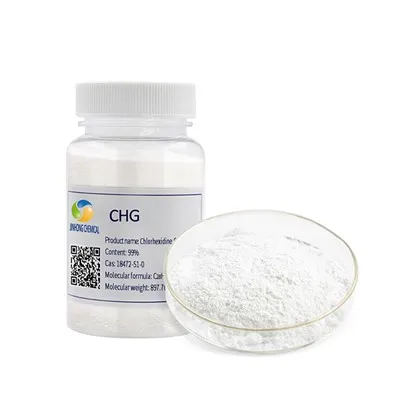
First, let’s get the basics straight. A masterbatch, plain and simple, is a super concentrated blend of pigments, additives, and… well, whatever you need that doesn’t play nice with regular plastic. Think of it like a flavor syrup for a cake: you don’t dump the whole bottle of vanilla into the mix, you stir a tiny spoonful (that’s the masterbatch) into the big batch of batter (raw plastic resin) and boom—evenly flavored, no clumps. That’s antibacterial masterbatch specifically: it’s the concentrated cocktail that you add to virgin plastic pellets when you’re molding something, like a lunch container, a cutting board, or even the film that wraps your snack bar. The whole point? You don’t have to mess with adding the antibacterial stuff directly to the resin yourself. We do the hard part of getting it all mixed evenly, so manufacturers can just toss in a little and go, no extra steps, no mess.
Now, let’s talk about what makes it “antibacterial,” not just “germ-resistant”—because that’s a big line people blur. Not all germ-fighting plastic is the same, and that’s where our job as suppliers gets real. The active ingredients in our masterbatches aren’t just some random chemical spray—they’re formulated to actually kill or stop the growth of specific bad bugs: E. coli, Staph, mold, even the stuff that makes food go bad too fast. Wait, and it’s not just a quick fix. When you mix the masterbatch into plastic, the active agents get locked in, so they don’t rub off after a few uses (we test that—you don’t want a cutting board that leaves antibacterial gunk on your veggies, trust me). The key here is it works through the life of the product, not just right after it’s made.
Let’s get specific about how it’s made, because that’s what sets a solid masterbatch apart from a dud. First, we pick the right carrier resin. Most of the time that’s the same resin our customers use for their end product—like if someone’s making HDPE water bottles, we use HDPE as the carrier for our antibacterial stuff. Why? Because if you mix two different plastics that don’t play nice, you get crumbly plastic that breaks after a week. Then we add the active antibacterial agents—these can be silver ions (super common, gentle on plastic, works for a long time), zinc, or even natural stuff like certain plant extracts, depending on what the customer needs. Then we mix everything at super high heat, melt it down, and shear it (basically, chop it up and mix it nonstop) until it’s one smooth, uniform blend. Then we cool it into tiny, easy-to-handle pellets. That’s our masterbatch. No lumps, no clumps, perfect for every manufacturing process—whether you’re blowing plastic film, injection molding a toy, or extruding a pipe.
Now, let’s talk about what it’s not. A lot of people mix up antibacterial masterbatch with adding an antibacterial spray to a finished plastic product. That’s a big no. Sprays rub off, they wear out after a few washes, and they can leave weird residues. Masterbatch is part of the plastic itself—so when you squeeze a lunch container made with our masterbatch, the antibacterial stuff is inside every bit, not just on the surface. That means it’s way more durable. Also, it’s not just for “germy” things anymore—we work with cosmetic packaging brands that want their tubes to stay fresh, with hospital suppliers that need bed rails that don’t spread MRSA, even with pet product makers that want water bowls that don’t get slime. It’s everywhere, you just might not notice it.
Wait, let’s get into real-world proof, because I know you’re thinking “this sounds too good to be true.” We don’t just make it and call it antibacterial—we test every batch. We follow ISO standards, because that’s what our customers demand. For example, we’ll test a molded part made with our masterbatch against E. coli in a lab, and if it kills 99.9% of the bacteria within 24 hours, that’s the stamp we need. We also test for migration—meaning how much of the active agent gets into food or water, because nobody wants plastic that leaches chemicals. All our masterbatches are food-safe, BPA-free, compliant with FDA and EU food contact standards, so you can put our masterbatch in a kid’s sippy cup without worrying.
Another big question I get: how do you know it’s not just a fad? Nope, this stuff is used every day in industries that can’t afford to mess up. For example, food packaging: if you wrap a sandwich in film made with our antibacterial masterbatch, the bacteria that make the sandwich go bad in a day get killed, so it stays fresh for 2-3 days longer. That’s not magic, that’s the masterbatch working. And hospitals? They use antibacterial plastic on everything from IV poles to bed rails to cut down on hospital-acquired infections, which is a huge deal. Toy makers use it too—kids chew on toys, so killing the germs they pick up at daycare is a win for parents.
Let’s talk about why choosing the right masterbatch supplier matters, because not all of us are the same. A lot of guys out there are just mixing a little antibacterial powder into plastic pellets and calling it a day, but that’s lazy. If you don’t get the mixing right, the active agents clump together, so some parts of the plastic have way too much (that’s bad, can leach) and some parts have none (useless). We invest in high-shear mixing equipment and quality control labs, so every pellet is exactly the same. Also, we work with our customers—if someone’s making a water bottle that needs to be clear, we can make a clear masterbatch so it doesn’t change the color of their product. If they need it to work in a hot environment (like a car dashboard in summer), we formulate the masterbatch to hold up at high temps. That’s the difference between a one-size-fits-all masterbatch and one that actually works for your product.
Wait, let’s bust a common myth: antibacterial masterbatch doesn’t make plastic “antibiotic-resistant.” That’s a scare tactic people spread on random forums, but it’s not true. The active agents in our masterbatch target specific bacteria that cause product spoilage or infections, not the good bacteria in your gut. We don’t use antibiotics—we use inorganic agents like silver or zinc, which are proven safe when used correctly. And since it’s locked in the plastic, it doesn’t get into the environment enough to cause resistance. I’ve heard so many customers say “wait, that can’t be safe” and then after testing it themselves, they come back and order more. We’re happy to share our safety data sheets, no fine print.
Let’s wrap this up with what this actually means for you, whether you’re a small brand just starting out or a big manufacturing company. Antibacterial masterbatch is a specialized additive that turns regular plastic into something that fights germs, without the hassle of adding additives yourself. It’s durable, consistent, tested, and compliant with all the safety rules you need. At the end of the day, it’s not just about “germ-free”—it’s about making products that last longer, work better, and keep people safe.
If you’re thinking about using antibacterial masterbatch in your next product, whether it’s packaging, toys, medical parts, or anything else, we can help. We work with all kinds of manufacturers, from small startups to Fortune 500 companies, and we’ll walk you through what masterbatch works for your specific resin, your product, and your needs. No pushy sales stuff, no confusing jargon—just straight talk and a product that actually does what it says it will. Reach out to us to chat about your project, get a sample, or ask any questions you have. We’re here to help.
Polyhexamethylene Biguanide REFERENCES
- European Food Safety Authority (EFSA). (2021). Safety assessment of silver in plastic materials in contact with food. EFSA Journal, 19(10), 6892.
- International Organization for Standardization (ISO). (2019). Plastics – Antibacterial plastic materials and articles – Test method for assessing antibacterial activity. ISO 22196:2019.
- U.S. Food and Drug Administration (FDA). (2022). Substances in contact with food: Additives for plastics. FDA CFSAN.
- Zhang, L., & Hu, J. (2020). Antibacterial masterbatches: Formulation, performance, and applications in plastic industry. Journal of Applied Polymer Science, 137(24), 48765.
- Centers for Disease Control and Prevention (CDC). (2021). Healthcare-Associated Infections (HAIs): Role of surface materials in prevention. CDC Health Care Quality.
Hebei Jinhong Chemical Co., Ltd.
Hebei Jinhong Chemical Co., Ltd. is one of the most professional antibacterial masterbatch manufacturers and suppliers in China. With abundant experience, we warmly welcome you to wholesale high quality antibacterial masterbatch made in China here and get pricelist from our factory. For price consultation, contact us.
Address: North of Fazhan Road, East of Qingyuan Road, Nanbao Development Zone, Tangshan City, Hebei Province
E-mail: kevin@hbjhchemical.com
WebSite: https://www.hbjhchemical.com/
