If you’ve ever stood along a coastal dock and watched waves crash against a boat’s hull, or admired the sleek, durable finish of a marine ladder or a dockside buoy, you might not have stopped to wonder what makes those parts hold up against saltwater, UV rays, and the constant wear and tear of tides and weather. As an aluminum circles supplier, I get asked this question all the time: Can aluminum circles actually hold their own in the marine industry? The short answer is yes—but it’s not just a generic “yes.” There’s a lot that goes into why aluminum circles work so well for marine applications, and why choosing the right aluminum alloy, finish, and processing makes all the difference. Let me break this down, because if you’re in the marine space, you know that cutting corners on materials leads to costly repairs, downtime, and safety risks. Aluminum Circles
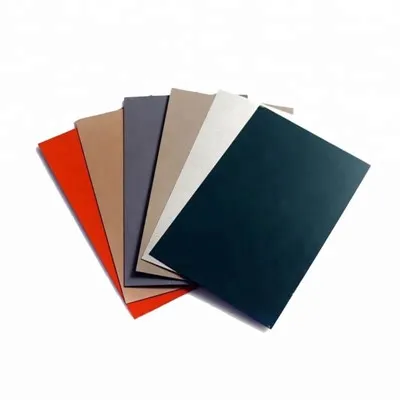
First, let’s start with the basics of aluminum and saltwater exposure. I’ve been supplying aluminum circles to marine fabricators for over a decade, and the number one question I get before someone places an order is, “Does aluminum rust in saltwater?” It’s a fair question—most people learn at an early age that iron and steel rust when they’re exposed to water and oxygen, but aluminum is a different metal entirely. When pure aluminum is exposed to moisture, it immediately forms a thin, tight layer of aluminum oxide on its surface. That layer is only a few nanometers thick, but it’s incredibly strong, and it acts as a barrier to keep oxygen, salt, and water from reaching the underlying metal. Unlike rust, which flakes off and leaves the metal underneath exposed to more corrosion, this oxide layer self-repairs if it gets scratched or scuffed—you just need a small amount of moisture to kickstart the healing process. That’s a game-changer for marine parts, where scratches from rope, dock cleats, or even small impacts are unavoidable.
But not all aluminum alloys work the same way in saltwater. Pure aluminum (1000 series) is soft, so it’s not ideal for parts that need to hold up to heavy loads or constant stress. That’s why most marine-grade aluminum circles we supply are from the 5000 series, especially 5052 and 5083 alloys. The 5000 series adds magnesium to the mix, which boosts strength without sacrificing the corrosion resistance that makes aluminum great for the marine environment. I remember a few years back, a small boat fabricator came to me frustrated because he’d been using generic aluminum circles for his fishing boat fuel tanks, and they started corroding within two seasons. Turns out he’d ordered a 3003 alloy, which is good for general use but not suited for prolonged saltwater exposure. We switched him to 5052 aluminum circles, and three years later he came back to order more—this time for a dozen more fuel tanks—and told me the original ones still looked brand new. That’s the kind of result that makes us proud as suppliers.
Another reason aluminum circles are perfect for marine applications is their weight. When building boats, docks, or even marine equipment like buoys or navigation markers, every pound counts. A lighter boat is faster, uses less fuel, and is easier to handle when you’re launching or docking. Compare aluminum to steel: steel is roughly three times heavier than aluminum for the same volume. So if a fabricator is building a 10-foot aluminum dinghy, using aluminum circles for the hull, the deck plates, and the transom will cut hundreds of pounds off the total weight, making the boat more efficient and easier to maneuver. I worked with a team that was building a fleet of research vessels for a university marine lab last year. They were originally planning to use steel plates, but when we showed them the weight difference and the corrosion resistance of aluminum circles, they switched mid-project. The end result? Each vessel was 25% lighter than planned, and the lab hasn’t had to spend a dime on corrosion repairs in the two years since they launched them. That’s a huge win for both their budget and their research schedule, since they spend most of their time on the water, not in a repair yard.
Now, let’s talk about specific marine applications where aluminum circles are already the go-to material—and why that’s the case. The most common use is for hull and deck components. Fabricators use aluminum circles to cut into flat or curved shapes for hull plates, since the circular blanks can be pressed or spun into the curved contours that boats need. The 5052 and 5083 alloys we supply work perfectly for this forming process—they have excellent formability, so fabricators can shape them into tight curves without cracking or breaking. We also supply aluminum circles for marine hardware: cleats, bollards, railings, and even the bases for navigation lights. Those parts need to be strong enough to hold up to wind, waves, and the occasional bump against a dock, and the corrosion resistance means they won’t turn white and pitted after a few months in salt air.
Another big application is fuel and water tanks for boats and even large commercial ships. Tanks are constantly exposed to the contents inside, plus any moisture that seeps in, and saltwater splash on the outside. Aluminum circles form the perfect blanks for these tanks because they can be welded easily (another key point—aluminum is weldable, unlike some other corrosion-resistant metals like titanium, which is way more expensive) and the oxide layer holds up even at the weld joints if the weld is done properly and then treated to restore the protective layer. I’ve also worked with suppliers of offshore oil and gas equipment, which is even more demanding than recreational marine. They use aluminum circles for parts of their platform access ladders and small components that need to withstand constant salt spray and heavy use, and they tell us the aluminum parts last at least twice as long as stainless steel parts they used before.
Wait, but what about the myths? I’ve heard people say that aluminum and stainless steel shouldn’t be used together in marine applications, because of galvanic corrosion. That’s true, but it’s not a problem unique to aluminum—any two dissimilar metals will react if they’re in contact in the presence of an electrolyte (which saltwater definitely is). The key is to isolate the two metals, using a non-conductive gasket or a barrier coating, and that’s a simple fix. I always make sure to mention that to any marine fabricator who is pairing aluminum circles with other metals, because it’s an easy mistake to avoid, and it doesn’t mean aluminum can’t be used alongside other materials. Another myth is that aluminum is too expensive for marine use. When you factor in the long lifespan, lower weight (which saves on fuel costs over time), and lower maintenance, aluminum is actually a more cost-effective choice than steel or even stainless steel for many applications. I had a fabricator tell me last year that he used to switch out steel hull plates every five years, but with the aluminum circles we supplied, he’s looking at a 20-year lifespan. The upfront cost was a bit higher, but over time he’s saving thousands of dollars on replacements and repairs.
Now, as someone who has been in this industry for years, I also know that not all aluminum circles are made the same. The quality of the raw aluminum, the precision of the circle cutting, and the finishing process all matter. We source our aluminum from reputable mills that meet marine industry standards, and our cutting process ensures that each circle has a smooth, clean edge—no burrs or sharp spots that would weaken the material or make welding harder. We also offer custom sizes, because marine fabricators don’t work with one-size-fits-all parts. Whether you need a 12-inch circle for a small boat cleat or a 6-foot circle for a large hull panel, we can cut it to spec. We also offer optional surface treatments, like powder coating or anodizing, for extra corrosion resistance if a part will be in extremely harsh conditions. Anodizing is especially popular for parts like railings or buoys—it thickens the oxide layer, making it even more resistant to scratches and UV rays, so the finish stays bright and durable for years.
I’ve also seen how the marine industry is shifting toward more sustainable materials, and aluminum is perfectly aligned with that. Aluminum is 100% recyclable, and recycling it uses only 5% of the energy needed to make new aluminum from bauxite. So when a boat or a piece of marine equipment reaches the end of its life, the aluminum circles can be melted down and reused again and again, with no loss in quality. That’s a big selling point for many marine companies that are focused on reducing their carbon footprint. I’ve had several eco-focused boat builders reach out to me recently, specifically asking for aluminum circles because of their recyclability, and that’s a trend I expect to keep growing.
Of course, like any material, aluminum circles aren’t the right choice for every single marine part. You wouldn’t use them for a propeller on a large ship, for example—propellers need high strength and abrasion resistance that aluminum doesn’t offer, so brass or stainless steel is better there. But for most other parts—hulls, decks, tanks, hardware, buoys, navigation markers—aluminum circles are a top choice, and the evidence is in the number of fabricators and marine companies that have been using them for decades.

If you’re a marine fabricator, a boat builder, or someone in the marine industry who’s looking for materials that are durable, cost-effective, lightweight, and corrosion-resistant, aluminum circles are definitely worth considering. We’ve worked with everyone from small custom boat shops to large commercial marine companies, and we have the experience to help you choose the right alloy, size, and finish for your specific application. Don’t waste time and money on materials that will corrode or need constant repairs. Let’s talk about your project—whether you need a small batch of circles for a custom kayak or a large order for a fleet of commercial vessels, we can meet your needs. Reach out to our team to discuss your requirements, and let’s find the perfect aluminum circles for your marine application.
Embossed Aluminum Foil References
- Davis, J.R. (1993). Corrosion: Understanding the Basics. ASM International.
- Lamb, B.R. (2003). Aluminum Alloys for Marine Applications. Marine Technology Society Journal.
- American Bureau of Shipping. (2020). Rules for Building and Classing Steel Vessels, Aluminum Vessel Requirements.
- Miller, W.S., et al. (2000). Recent Development in Aluminium Alloys for the Marine Industry. Journal of Materials Processing Technology.
- Aluminum Association. (2022). Aluminum in Marine Applications: Performance and Benefits.
Henan Yongsheng Aluminum Industry Co., Ltd.
We are one of the most reliable aluminum circles manufacturers and suppliers in China. With abundant experience, we warmly welcome you to buy high-grade aluminum circles for sale here from our factory. All custom made products are with high quality and competitive price.
Address: Gongyi City Industrial Cluster District, Huiguo Town, Gongyi City, Henan Province
E-mail: eric@ysaluminum.cn
WebSite: https://www.ysaluminummill.com/
