Hey there! I’m a supplier of other fabrics, and I know how tricky it can be to choose the right fabrics for sensitive skin. Trust me, I’ve been in this business for a while, and I’ve seen it all. In this blog, I’m gonna share some tips on how you can pick the perfect other fabrics that are gentle on sensitive skin. Other Fabrics
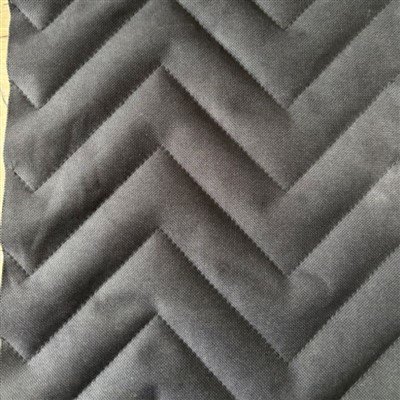
First things first, let’s talk about what makes skin sensitive. Sensitive skin can react to all sorts of things like chemicals, dyes, and rough textures. Even small things like the way a fabric is woven can cause irritation. So, when you’re on the hunt for fabrics for sensitive skin, there are a few key things to keep in mind.
Natural Fibers Are Your BFFs
One of the best bets for sensitive skin is natural fibers. They’re like a big, cozy hug for your skin. Take cotton, for example. It’s probably one of the most well – known fabrics for sensitive skin. Cotton is super breathable, which means it lets your skin breathe and doesn’t trap heat or sweat. This helps prevent irritation and rashes. It’s also soft and gentle, so it won’t rub your skin the wrong way.
Another great natural option is bamboo. Bamboo fabric is not only soft as silk, but it also has natural antibacterial properties. This can be a game – changer for people with sensitive skin, as it helps keep your skin clean and free from infections. And it’s highly absorbent, so it can wick away moisture from your skin, keeping you dry and comfortable.
Linen is also a top choice. It’s made from the flax plant, and it’s very breathable. Linen has a unique texture that may feel a bit rough at first, but once it’s broken in, it becomes incredibly soft. It’s also great for warmer weather, as it can keep you cool.
I gotta tell ya, I stock a wide range of these natural other fabrics. Whether you’re looking for pure cotton in different weaves, super – soft bamboo, or high – quality linen, I’ve got you covered.
Avoid Synthetic Fibers (Most of the Time)
Synthetic fibers like polyester, nylon, and acrylic can be a no – go for sensitive skin. They’re often made from chemicals, and they don’t breathe as well as natural fibers. This means they can trap heat and moisture against your skin, creating a breeding ground for bacteria and fungi. And let’s not forget that some people may be allergic to the chemicals used in the production of synthetic fabrics.
However, there are some exceptions. Some high – tech synthetic fabrics are designed to be breathable and moisture – wicking. If you’re into sports or outdoor activities, these fabrics can be a good option. But make sure to test them on a small patch of your skin first to see how your skin reacts.
Check the Dye and Finish
The dye and finish used on fabrics can also cause problems for sensitive skin. Some dyes are made with harsh chemicals that can irritate the skin. Look for fabrics that are dyed with natural dyes or low – impact dyes. These are less likely to cause a reaction.
The finish on a fabric can also matter. Some finishes are used to make the fabric wrinkle – resistant or water – repellent, but they can contain chemicals that are harmful to sensitive skin. Try to find fabrics that have a minimal finish or are labeled as "skin – friendly."
I work hard to source fabrics that use safe dyes and finishes. When you buy from me, you can trust that I’ve done my homework to make sure the fabrics are gentle on your skin.
Consider the Weave
The way a fabric is woven can affect how it feels on your skin. A tight weave can be more durable but may also feel stiffer. A looser weave, on the other hand, is usually softer and more breathable.
For example, a jersey knit is a popular choice for sensitive skin. It’s a stretchy, soft fabric that moves with your body. It’s great for making clothing like t – shirts and pajamas. A plain weave, like a simple cotton muslin, is also very gentle and can be used for all sorts of things, from summer dresses to baby blankets.
If you’re not sure which weave is best for you, just give me a shout. I can help you understand the different weaves and which ones are most suitable for sensitive skin.
Look for Certifications
Certifications can be a great way to ensure that the fabric you’re buying is safe for sensitive skin. Look for labels like Oeko – Tex Standard 100. This certification means that the fabric has been tested and is free from harmful chemicals.
I always make sure that the fabrics I supply meet high – quality standards. Many of my fabrics carry certifications, so you can have peace of mind knowing that you’re getting a safe and healthy product.
Test Before You Buy
Even if a fabric seems like it should be great for sensitive skin, it’s always a good idea to test it first. You can do a patch test by cutting a small piece of the fabric and placing it on your inner wrist or behind your ear for 24 – 48 hours. If you don’t notice any redness, itching, or irritation, then the fabric is probably a good choice for you.
I understand that it’s not always easy to do a patch test, especially when you’re ordering online. But I’m here to help. If you have any questions about a particular fabric, just ask me. I can give you more information based on my experience and the feedback I’ve received from other customers.
Pricing and Availability
I know that price is always a factor when you’re buying fabrics. But when it comes to sensitive skin, it’s worth investing a little more in high – quality fabrics. My fabrics are priced competitively, and I offer a wide range of options to fit different budgets.

In terms of availability, I always try to keep a good stock of popular fabrics. But sometimes, certain fabrics may be in high demand, so there might be a bit of a wait. If you’re planning a big project, it’s a good idea to place your order in advance.
Oxford Fabric So, if you’re in the market for other fabrics for sensitive skin, I’m your go – to guy. Whether you’re a home sewer, a fashion designer, or just someone looking for a comfortable and safe fabric, I can help you find the perfect match. Contact me, and we can start chatting about your fabric needs. Let’s work together to find the right fabrics that will make your skin happy and healthy.
References
- "The Handbook of Natural Fibres" by Luboš Valášek, Tomasz Michalska, and Grażyna Borysiak
- "Textile Science" by Howard M. Harper
- "Sensitive Skin: Diagnosis and Management" in Journal of Clinical and Aesthetic Dermatology
Dongyang Huangxiu Leather & Plastic Co., Ltd.
With abundant experience, we are one of the most professional fabrics manufacturers in China. We warmly welcome you to wholesale customized fabrics made in China here from our factory. If you have any enquiry about quotation and free sample, please feel free to email us.
Address: Huangxiu Leather & Plastic Products, No. 79 Shunda Road, Huashui Town, Dongyang City, Zhejiang Province
E-mail: x372921764@163.com
WebSite: https://www.huangxiutextile.com/
