As a dedicated supplier of FRP (Fiber – Reinforced Plastic) process equipment, I’ve had the privilege of witnessing firsthand the remarkable versatility and growing significance of FRP in the realm of industrial automation. In this blog, I’ll delve into the diverse applications of FRP process equipment in industrial automation, highlighting how it has become an indispensable asset across various industries. FRP Process Equipment

Corrosion – Resistant Pipelines and Ducting Systems
One of the most prominent applications of FRP process equipment in industrial automation is in the creation of corrosion – resistant pipelines and ducting systems. In industrial settings, many processes involve the transportation of corrosive chemicals, gases, or liquids. Traditional materials like steel and concrete are prone to corrosion over time, which can lead to leaks, system failures, and costly maintenance.
FRP pipelines and ducting offer a superior alternative. They are highly resistant to a wide range of corrosive substances, including acids, alkalis, and salts. This resistance ensures a longer lifespan for the equipment, reducing the frequency of replacements and minimizing downtime. For example, in chemical plants where aggressive chemicals are produced and transferred, FRP pipelines can safely carry these substances without deteriorating. In the automation of chemical processes, these pipelines are integrated with sophisticated control systems. Flow sensors and valves can be installed along the FRP pipelines to monitor and regulate the flow of chemicals precisely. This not only enhances the efficiency of the chemical production process but also improves safety by preventing over – or under – flow situations.
In the case of ducting systems, FRP is used to exhaust corrosive fumes and gases generated during industrial processes. In semiconductor manufacturing plants, for instance, the production process involves the use of various chemicals that emit toxic fumes. FRP ducting systems can safely collect and remove these fumes from the production area. Automated dampers can be incorporated into the FRP ducting to adjust the airflow based on the real – time requirements of the manufacturing process, ensuring a clean and safe working environment.
Storage Tanks for Industrial Chemicals
FRP storage tanks are another crucial application in industrial automation, especially in industries that rely on the storage of large quantities of chemicals. These tanks are designed to be resistant to a variety of chemicals, including those with high degrees of acidity or alkalinity. They can be customized in terms of size, shape, and capacity to meet the specific needs of different industrial processes.
In industrial automation, these storage tanks are often equipped with level sensors and monitoring systems. These sensors can accurately measure the volume of chemicals stored in the tank and transmit this data to a central control system. Based on this information, the control system can automatically trigger the replenishment of chemicals when the level drops below a certain threshold or initiate safety protocols if there is a sudden change in the chemical level.
For example, in a wastewater treatment plant, FRP storage tanks are used to store chemicals such as chlorine and sulfuric acid, which are essential for the treatment process. The automation of these storage tanks ensures that the right amount of chemicals is available at all times, optimizing the wastewater treatment process and reducing the risk of human error. Additionally, the corrosion – resistant nature of FRP tanks prevents chemical leakage, which could have serious environmental and safety implications.
Reaction Vessels in Chemical and Pharmaceutical Industries
FRP reaction vessels play a vital role in the chemical and pharmaceutical industries, where precise control of chemical reactions is essential. These vessels are designed to withstand high pressures and temperatures, as well as the corrosive nature of chemicals involved in the reactions.
In industrial automation, reaction vessels are integrated with advanced control systems. Temperature sensors, pressure sensors, and pH sensors are installed inside the vessels to continuously monitor the reaction conditions. Based on the data collected by these sensors, the control system can adjust parameters such as temperature, pressure, and the addition of reactants in real – time. This level of automation ensures that the chemical reactions occur under optimal conditions, leading to higher product yields and better quality products.
For example, in the production of pharmaceuticals, FRP reaction vessels are used to synthesize active pharmaceutical ingredients (APIs). The automation of these vessels allows for the precise control of reaction times, temperatures, and reactant concentrations. This is critical in ensuring the safety and efficacy of the final pharmaceutical products. Moreover, the smooth interior surface of FRP reaction vessels reduces the risk of product contamination, which is of utmost importance in the pharmaceutical industry.
Filtration and Separation Equipment
FRP is also widely used in the manufacturing of filtration and separation equipment in industrial automation. Filtration is an essential process in many industries, including food and beverage, water treatment, and oil and gas. FRP filters and separators offer several advantages over traditional materials.
They are lightweight, corrosion – resistant, and can be designed to have high – precision filtration capabilities. In water treatment plants, FRP membrane filters are used to remove impurities and contaminants from water. These filters can be integrated into automated water treatment systems, where the flow rate and pressure are controlled by sensors and valves. The automation of the filtration process ensures consistent water quality and efficient operation.
In the oil and gas industry, FRP separators are used to separate oil, gas, and water from the well – stream. The automation of these separators allows for the continuous monitoring and adjustment of separation parameters, such as the separation temperature and pressure. This results in more efficient separation processes and higher – quality oil and gas products.
Structural Components in Automated Production Lines
FRP is increasingly being used as a material for structural components in automated production lines. In modern manufacturing, production lines need to be lightweight, strong, and resistant to wear and tear. FRP meets these requirements effectively.
For example, in the automotive industry, FRP is used to make conveyor frames and robotic arms in automated assembly lines. The lightweight nature of FRP reduces the energy consumption of the conveyor systems, while its high strength ensures the stability and durability of the production line. Robotic arms made of FRP can move faster and with greater precision, improving the overall efficiency of the assembly process.
In addition, FRP structural components can be easily fabricated into complex shapes, which is beneficial for customizing production line layouts. The use of FRP in these applications also reduces the need for frequent maintenance, as it is resistant to corrosion and abrasion, leading to lower production costs and higher productivity.
Conclusion
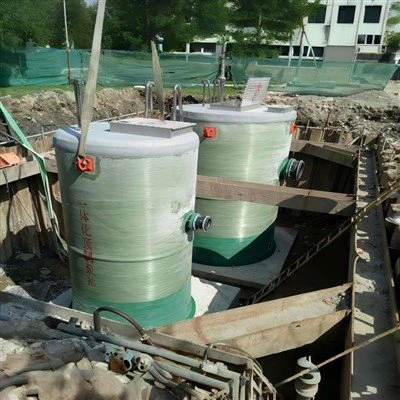
The applications of FRP process equipment in industrial automation are vast and far – reaching. From corrosion – resistant pipelines and storage tanks to reaction vessels, filtration and separation equipment, and structural components in production lines, FRP has proven to be a reliable and versatile material. Its resistance to corrosion, high strength – to – weight ratio, and customizability make it an ideal choice for a wide range of industrial applications.
FRP Environmental Equipment If you are in search of high – quality FRP process equipment for your industrial automation needs, I encourage you to reach out to us. Our team of experts is ready to assist you in selecting the right equipment and providing customized solutions that meet your specific requirements. We are committed to delivering top – notch products and excellent customer service. Let’s start a fruitful discussion and explore how our FRP process equipment can enhance the efficiency and productivity of your industrial operations.
References
- “Handbook of FRP Composites in Civil Engineering”. M. S. Ragheb, 2nd edition.
- “Advanced Materials for Industrial Applications”. I. S. Jahed, 3rd edition.
- “Industrial Automation: Principles and Applications”. T. M. McCurdy, 4th edition.
Hebei Weihan Environmental Protection Equipment Co., Ltd.
We’re well-known as one of the leading FRP process equipment manufacturers and suppliers in China, featured by quality products and good service. Please rest assured to buy customized FRP process equipment at competitive price from our factory. Contact us for more details.
Address: No. 666 Chuangye Road, Zaoqiang County, Hengshui City, Hebei Province
E-mail: weihanmachine@gmail.com
WebSite: https://www.whanfrp.com/
