In the dynamic landscape of modern computing, All in One (AiO) PCs have emerged as a revolutionary solution, seamlessly integrating the power of a traditional desktop computer with the sleek and compact design of a single unit. As a leading supplier of All in One PCs, I am excited to delve into the inner workings of these remarkable machines, exploring how they function and the benefits they offer to users across various industries. All in One PC

The Basics of All in One PCs
At its core, an All in One PC is a self – contained computer system that combines the monitor, CPU, and other essential components into a single unit. This design eliminates the need for a separate tower and reduces cable clutter, making it an ideal choice for both home and office environments.
The journey of an All in One PC begins with its display. The high – resolution screen serves as the primary interface for users, presenting everything from text and images to videos and interactive content. Most modern AiO PCs come with LED or IPS displays, which offer vibrant colors, wide viewing angles, and excellent clarity.
The Heart of the Machine: The CPU
The Central Processing Unit (CPU) is the brain of the All in One PC. It is responsible for executing instructions, performing calculations, and managing all the tasks that the computer undertakes. In All in One PCs, different types of CPUs are used depending on the target market and performance requirements.
For entry – level and home – use AiO PCs, Intel Core i3 or AMD Ryzen 3 processors are commonly employed. These processors offer sufficient power for basic tasks such as web browsing, word processing, and media consumption. Mid – range models often feature Intel Core i5 or AMD Ryzen 5 processors, providing a significant boost in performance for more demanding applications like photo and video editing, as well as light gaming.
For high – end All in One PCs designed for professional users and enthusiasts, powerful processors such as Intel Core i7 or AMD Ryzen 7, and even i9 or Ryzen 9 in some cases, are utilized. These processors can handle complex tasks like 3D modeling, advanced video rendering, and running multiple virtual machines simultaneously.
Graphics Processing: Bringing Visuals to Life
Graphics play a crucial role in the overall user experience, especially in applications such as gaming, video editing, and graphic design. All in One PCs typically offer two main options for graphics processing: integrated graphics and dedicated graphics cards.
Integrated graphics are built directly into the CPU and share the system’s memory. They are suitable for basic visual tasks and are an energy – efficient option. For example, Intel’s UHD Graphics and AMD’s Radeon Vega Graphics are commonly found in entry – level and mid – range AiO PCs.
Dedicated graphics cards, on the other hand, have their own dedicated memory and processing power. They are capable of handling high – performance graphics tasks with ease. NVIDIA GeForce and AMD Radeon series graphics cards are often used in high – end All in One PCs to deliver stunning visuals and smooth frame rates.
Storage: Keeping Your Data Safe and Accessible
Storage is another essential aspect of All in One PCs. There are two main types of storage devices used: Hard Disk Drives (HDDs) and Solid State Drives (SSDs).
HDDs have been around for a long time and offer large storage capacities at a relatively low cost. However, they are slower in terms of data access and transfer speeds compared to SSDs. In some All in One PCs, HDDs are used as a secondary storage option for storing large files such as movies, music libraries, and backups.
SSDs, on the other hand, use flash memory technology to store data. They are significantly faster than HDDs, providing quick boot times, rapid application launches, and seamless data transfer. Most modern All in One PCs come with SSDs as the primary storage device, and some even offer a combination of an SSD for the operating system and frequently used applications, along with an HDD for additional storage.
Memory: The Brain’s Short – Term Helper
Random Access Memory (RAM) is like the PC’s short – term memory. It stores data that the CPU is currently using or is likely to use soon. More RAM allows the computer to run multiple applications simultaneously without experiencing significant slowdowns.
In All in One PCs, the amount of RAM typically ranges from 4GB in entry – level models to 16GB, 32GB, or even more in high – end configurations. For light users who mainly use web browsers and office applications, 4GB or 8GB of RAM may be sufficient. However, power users who engage in multitasking, gaming, or running resource – intensive applications will benefit from having 16GB or more of RAM.
Input and Output: Connecting with the World
All in One PCs are equipped with a variety of input and output ports to connect external devices. Input ports such as USB (Universal Serial Bus) ports are used to connect devices like keyboards, mice, external hard drives, and flash drives. There are different versions of USB ports, including USB 2.0, USB 3.0, and USB 3.1, with each offering different data transfer speeds.
Audio input and output ports allow users to connect speakers, headphones, and microphones. HDMI (High – Definition Multimedia Interface) ports are used to connect the All in One PC to external displays, such as TVs or projectors, for a larger viewing experience. Some AiO PCs also feature SD card readers, which are convenient for transferring data from cameras and other devices.
Cooling: Keeping the Components Cool
With all the powerful components packed into a single unit, cooling is a critical aspect of All in One PC design. Overheating can lead to reduced performance, system instability, and even permanent damage to the components.
To keep the components cool, All in One PCs use a combination of techniques. Many models are equipped with small, quiet fans that circulate air inside the unit. These fans are designed to draw in cool air and expel hot air, maintaining a stable temperature. Some high – end All in One PCs also use liquid cooling systems, which are more efficient at dissipating heat but are also more complex and expensive.
The Software Ecosystem
The operating system is the software that manages the hardware resources of the All in One PC and provides a user – friendly interface. The most common operating systems for All in One PCs are Microsoft Windows, macOS (for Apple’s iMac series), and Linux distributions such as Ubuntu.
Windows is widely used and offers a vast library of software applications, compatibility with a wide range of hardware devices, and a familiar user interface. macOS is known for its sleek design, seamless integration with other Apple devices, and excellent performance for creative professionals. Linux is an open – source alternative that offers high levels of customization and is often used by developers and tech – savvy users.
Benefits of All in One PCs
There are several benefits to choosing an All in One PC. Firstly, their compact design makes them perfect for spaces with limited room, such as small offices and dorm rooms. They also require less cable management, reducing clutter and making setup and maintenance easier.
Secondly, All in One PCs are generally more energy – efficient compared to traditional desktop computers. Since all the components are integrated into a single unit, there is less energy wasted in powering multiple devices.
Thirdly, they often come with pre – installed software and are ready to use right out of the box. This makes them a convenient option for users who are not technically inclined and want a hassle – free computing experience.
Conclusion
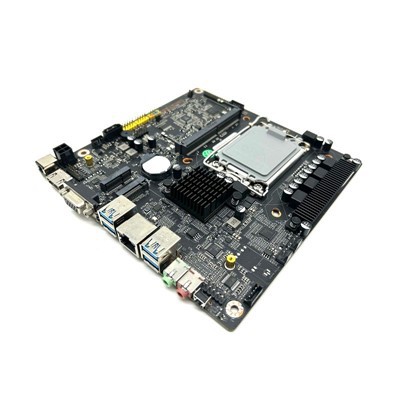
All in One PCs represent a modern and efficient computing solution that combines power, performance, and style in a single unit. As a supplier, we are committed to providing high – quality All in One PCs that meet the diverse needs of our customers. Whether you are a home user looking for a simple and reliable computer or a professional in need of a powerful workstation, our All in One PCs offer the perfect combination of features and performance.
Customized OPS PC If you are interested in purchasing All in One PCs for your home, office, or business, we encourage you to reach out to our sales team for a detailed consultation. We can help you choose the right model based on your specific requirements and budget. Let us work together to find the ideal All in One PC solution for you.
References
- "Computer Organization and Design: The Hardware/Software Interface" by David A. Patterson and John L. Hennessy.
- "Modern Operating Systems" by Andrew S. Tanenbaum.
- Various product manuals and technical specifications from leading All in One PC manufacturers.
Shenzhen HJS Technology Group
Shenzhen HJS Technology Group is one of the most experienced all in one pc manufacturers and suppliers in China, featured by quality products and good service. Please rest assured to buy CE approved all in one pc made in China here from our factory. For price consultation, contact us.
Address: F10, Wanhe Technology Building C, No. 7 HuiTong Road, Fenghuang Street, Guangming New District, Shenzhen. China.
E-mail: info@hjs-pc.com
WebSite: https://www.hjs-pc.com/
