Hey there! I’m a supplier of self-adhesive labels, and I often get asked if these labels can be used on metal. Well, the short answer is yes, but there’s a whole lot more to it than that. Let’s dive in and explore this topic in detail. Self-adhesive Labels
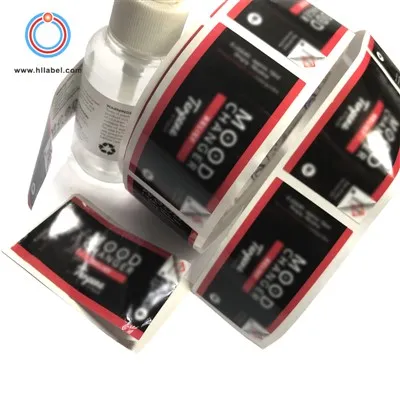
Why Use Self-Adhesive Labels on Metal?
First off, let’s talk about why you might want to use self-adhesive labels on metal in the first place. Metal is a common material in many industries, from manufacturing and automotive to electronics and household goods. Labels on metal can serve a variety of purposes, such as providing product information, branding, warning signs, or decorative elements.
One of the main advantages of using self-adhesive labels on metal is the ease of application. Unlike some other labeling methods, self-adhesive labels can be quickly and easily applied without the need for special equipment or skills. This makes them a cost-effective and efficient solution for labeling metal products.
Another benefit is the flexibility of self-adhesive labels. They can be printed in a wide range of colors, shapes, and sizes, allowing you to create custom labels that meet your specific needs. Whether you need a simple barcode label or a full-color graphic label, self-adhesive labels can be designed to look great on metal surfaces.
Factors to Consider
While self-adhesive labels can be used on metal, there are several factors that you need to consider to ensure a successful application.
Surface Preparation
The first and most important factor is surface preparation. Metal surfaces can be smooth, rough, or have a coating, and each type of surface requires a different approach to ensure proper adhesion.
- Smooth Metal Surfaces: For smooth metal surfaces, such as stainless steel or aluminum, it’s important to clean the surface thoroughly before applying the label. Use a mild detergent and water to remove any dirt, oil, or grease, and then dry the surface completely. You can also use a primer or adhesion promoter to improve the adhesion of the label.
- Rough Metal Surfaces: Rough metal surfaces, such as cast iron or galvanized steel, require a different approach. These surfaces may have pores or irregularities that can affect the adhesion of the label. To ensure proper adhesion, you may need to sand the surface to create a smooth and clean surface, or use a label with a stronger adhesive.
- Coated Metal Surfaces: Coated metal surfaces, such as painted or powder-coated metal, require special attention. The coating can affect the adhesion of the label, so it’s important to test the label on a small area of the surface before applying it to the entire product. You may also need to use a label with a specific adhesive that is designed for use on coated surfaces.
Adhesive Type
The type of adhesive used on the label is also an important factor to consider. There are several types of adhesives available, each with its own properties and characteristics.
- Permanent Adhesive: Permanent adhesives are designed to provide a strong and long-lasting bond to the metal surface. They are ideal for applications where the label needs to stay in place for a long time, such as product labels or warning signs.
- Removable Adhesive: Removable adhesives are designed to provide a temporary bond to the metal surface. They are ideal for applications where the label needs to be removed or repositioned, such as promotional labels or temporary markings.
- High-Temperature Adhesive: High-temperature adhesives are designed to withstand high temperatures without losing their adhesion. They are ideal for applications where the label needs to be exposed to high temperatures, such as automotive engine parts or industrial equipment.
Environmental Conditions
The environmental conditions in which the label will be used are also an important factor to consider. Metal surfaces can be exposed to a variety of environmental conditions, such as heat, cold, humidity, and chemicals, which can affect the adhesion of the label.
- Temperature: Extreme temperatures can cause the adhesive to lose its adhesion or become brittle. It’s important to choose a label with an adhesive that is designed to withstand the temperature range in which the label will be used.
- Humidity: High humidity can cause the adhesive to lose its adhesion or become sticky. It’s important to choose a label with an adhesive that is designed to withstand the humidity level in which the label will be used.
- Chemicals: Exposure to chemicals can cause the adhesive to break down or become discolored. It’s important to choose a label with an adhesive that is resistant to the chemicals in which the label will be exposed.
Types of Self-Adhesive Labels for Metal
There are several types of self-adhesive labels that are suitable for use on metal surfaces.
Vinyl Labels
Vinyl labels are a popular choice for use on metal surfaces because they are durable, flexible, and resistant to weather and chemicals. They can be printed in a wide range of colors and finishes, including matte, gloss, and metallic, and are available in a variety of thicknesses.
Polyester Labels
Polyester labels are another popular choice for use on metal surfaces because they are strong, tear-resistant, and resistant to heat and chemicals. They can be printed in a wide range of colors and finishes, including matte, gloss, and metallic, and are available in a variety of thicknesses.
Paper Labels
Paper labels are a cost-effective option for use on metal surfaces, but they are not as durable as vinyl or polyester labels. They are suitable for applications where the label does not need to be exposed to harsh environmental conditions or chemicals.
Application Tips
To ensure a successful application of self-adhesive labels on metal surfaces, here are some tips to keep in mind:
- Clean the Surface: As mentioned earlier, it’s important to clean the metal surface thoroughly before applying the label. Use a mild detergent and water to remove any dirt, oil, or grease, and then dry the surface completely.
- Apply the Label Slowly: When applying the label, it’s important to apply it slowly and smoothly to avoid air bubbles or wrinkles. Start at one end of the label and gradually apply it to the metal surface, using a squeegee or a credit card to smooth out the label as you go.
- Press the Label Firmly: After applying the label, it’s important to press it firmly onto the metal surface to ensure proper adhesion. Use a squeegee or a credit card to apply pressure to the label, making sure to cover the entire surface of the label.
- Allow the Label to Cure: After applying the label, it’s important to allow it to cure for a few hours or overnight to ensure proper adhesion. Avoid exposing the label to heat, moisture, or chemicals during the curing process.
Conclusion
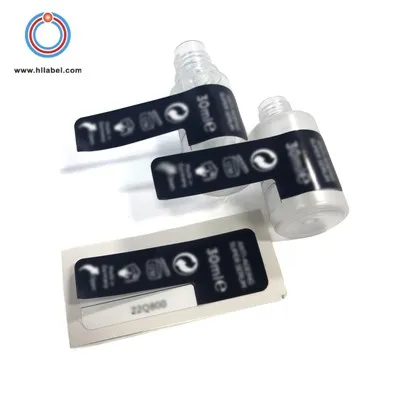
In conclusion, self-adhesive labels can be used on metal surfaces, but it’s important to consider several factors to ensure a successful application. Surface preparation, adhesive type, and environmental conditions are all important factors to consider when choosing a label for use on metal surfaces. By choosing the right label and following the application tips, you can ensure that your labels will look great and stay in place for a long time.
Multi-layer Labels If you’re interested in purchasing self-adhesive labels for your metal products, I’d love to hear from you. We offer a wide range of labels in different materials, sizes, and colors, and we can help you choose the right label for your specific needs. Contact us today to discuss your requirements and get a quote.
References
- Smith, J. (2020). Self-Adhesive Labels: A Guide to Choosing the Right Label for Your Application. Journal of Labeling and Identification, 15(2), 45-52.
- Johnson, A. (2019). The Science of Adhesion: How Self-Adhesive Labels Work on Metal Surfaces. Adhesion Science and Technology, 33(4), 321-332.
- Brown, K. (2018). Best Practices for Applying Self-Adhesive Labels on Metal Products. Manufacturing Today, 22(3), 67-74.
Huizhou Huilong Printing Company Limited
As one of the most professional self-adhesive labels manufacturers in China, we have world-leading production equipment and strong manufacturing capabilities. Please feel free to buy bulk self-adhesive labels in stock here from our factory. Also, pricelist is available.
Address: Xin’er Group, Xiamazhuang, Huicheng District, Huizhou City, Guangdong Province
E-mail: huilong278@163.com
WebSite: https://www.huilonglable.com/
