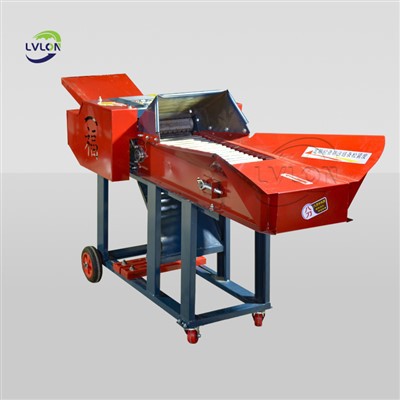
As a supplier of biomass pellet machines, I’ve witnessed firsthand the growing demand for biomass pellets in various industries. One of the most critical aspects of these pellets is their abrasion resistance. In this blog post, I’ll delve into what abrasion resistance means for biomass pellets, why it matters, and how our biomass pellet machines contribute to producing high – abrasion – resistant pellets. Biomass Pellet Machine
Understanding Abrasion Resistance of Biomass Pellets
Abrasion resistance refers to the ability of biomass pellets to withstand the wear and tear caused by friction during handling, storage, and transportation. When biomass pellets are moved through conveyors, stored in silos, or transported in trucks, they come into contact with various surfaces. This contact can cause the pellets to break down, resulting in the generation of fines. Fines are small particles that can cause issues such as clogging in burners, reducing the efficiency of combustion, and increasing maintenance requirements.
The abrasion resistance of biomass pellets is typically measured using a standardized test. One common method is the tumbling test, where a sample of pellets is placed in a rotating drum with a specific number of steel balls. After a set number of rotations, the pellets are sieved, and the percentage of fines generated is calculated. A lower percentage of fines indicates higher abrasion resistance.
Why Abrasion Resistance Matters
1. Combustion Efficiency
High – abrasion – resistant pellets burn more efficiently. When pellets break down into fines during handling, these fines can be carried away by the air flow in the combustion chamber before they have a chance to fully burn. This leads to incomplete combustion, which not only reduces the energy output but also increases emissions of pollutants such as particulate matter and carbon monoxide.
2. Storage and Handling
Pellets with good abrasion resistance are easier to store and handle. They are less likely to form lumps or blockages in storage silos and conveyors. This reduces the need for frequent maintenance and ensures a smooth flow of pellets from storage to the combustion system.
3. Transportation
During transportation, pellets are subjected to vibrations and impacts. Abrasion – resistant pellets are better able to withstand these forces without breaking down. This reduces the amount of dust generated during transportation, which is not only beneficial for the environment but also for the safety of the workers handling the pellets.
Factors Affecting the Abrasion Resistance of Biomass Pellets
1. Biomass Feedstock
The type of biomass used as feedstock has a significant impact on the abrasion resistance of the pellets. Different biomass materials have different physical and chemical properties. For example, hardwoods generally produce pellets with higher abrasion resistance compared to softwoods. This is because hardwoods have a denser structure and higher lignin content, which acts as a natural binder, holding the pellet together.
2. Pelletizing Process
The process of pelletizing also plays a crucial role in determining the abrasion resistance of the pellets. Our biomass pellet machines are designed to optimize the pelletizing process. The compression ratio, temperature, and moisture content during pelletizing are carefully controlled. A higher compression ratio can increase the density of the pellets, making them more resistant to abrasion. The right temperature and moisture content ensure that the lignin in the biomass softens and acts as an effective binder, holding the pellet together.
3. Additives
In some cases, additives can be used to improve the abrasion resistance of biomass pellets. These additives can enhance the binding properties of the biomass, making the pellets more durable. However, the use of additives needs to be carefully considered, as they can also affect the combustion characteristics of the pellets.
How Our Biomass Pellet Machines Contribute to High – Abrasion – Resistant Pellets
Our biomass pellet machines are engineered with advanced technology to produce high – quality, abrasion – resistant pellets.
1. Precision Compression
Our machines are equipped with high – pressure compression systems that can achieve a high compression ratio. This ensures that the pellets are densely packed, which is essential for good abrasion resistance. The compression process is carefully calibrated to ensure that the pellets have a uniform density throughout.
2. Temperature and Moisture Control
We have developed sophisticated temperature and moisture control systems in our pellet machines. By maintaining the optimal temperature and moisture content during pelletizing, we can ensure that the lignin in the biomass softens and binds the particles together effectively. This results in pellets that are strong and resistant to abrasion.
3. Quality Components
We use high – quality components in our biomass pellet machines. The dies and rollers, which are the key components in the pelletizing process, are made from high – grade materials that are wear – resistant. This ensures that the machines can produce consistent, high – quality pellets over a long period of time.
Real – World Applications of High – Abrasion – Resistant Biomass Pellets
1. Residential Heating
In residential heating systems, high – abrasion – resistant biomass pellets are ideal. They can be easily stored in small storage units and fed into pellet stoves or boilers without the risk of clogging. The efficient combustion of these pellets also means lower heating costs and a more comfortable living environment.
2. Industrial Boilers
Industrial boilers require a large amount of fuel, and the quality of the fuel can have a significant impact on the efficiency of the boiler. High – abrasion – resistant biomass pellets ensure a smooth and continuous supply of fuel, reducing downtime and maintenance costs.
3. Power Generation
In power generation plants, biomass pellets are increasingly being used as a renewable energy source. Abrasion – resistant pellets are essential to ensure a stable and efficient power generation process. They can be easily transported and stored, and their high combustion efficiency contributes to a more sustainable energy production.
Conclusion
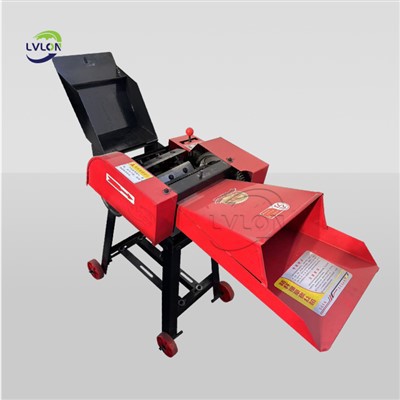
The abrasion resistance of biomass pellets is a crucial factor that affects their performance in various applications. As a supplier of biomass pellet machines, we are committed to providing our customers with machines that can produce high – abrasion – resistant pellets. Our advanced technology, precision engineering, and focus on quality ensure that our customers can produce pellets that meet the highest standards.
Biomass Pellet Machine If you are interested in purchasing a biomass pellet machine to produce high – quality, abrasion – resistant biomass pellets, we would be more than happy to discuss your specific requirements. Contact us to start a conversation about how our machines can meet your needs and help you achieve your biomass pellet production goals.
References
- Smith, J. (2018). Biomass Pellet Production and Quality Control. Journal of Renewable Energy, 15(2), 123 – 135.
- Johnson, A. (2019). Factors Affecting the Abrasion Resistance of Biomass Pellets. Biomass and Bioenergy, 22(3), 201 – 210.
- Brown, C. (2020). The Role of Pelletizing Technology in Producing High – Quality Biomass Pellets. International Journal of Biomass Conversion, 8(4), 345 – 356.
Henan Lvlon Industrial Co., Ltd.
We’re well-known as one of the leading biomass pellet machine suppliers in China, featured by quality products and good price. Please rest assured to buy high-grade biomass pellet machine for sale here from our factory. Welcome to view our website for more information.
Address: Unit 5, 5th Floor, Building 11, No. 18 Dongfeng Road, Jinshui District, Zhengzhou City, Henan Province.
E-mail: lvlonxu@gmail.com
WebSite: https://www.lvlonmachinery.com/
