Measuring the temperature of a small object can be a real pain in the neck, but guess what? Thermocouples are here to save the day! As a thermocouple supplier, I’ve seen firsthand how these little gadgets can make temperature measurement a whole lot easier. In this blog, I’m gonna share with you how to measure the temperature of a small object using a thermocouple. Thermocouple
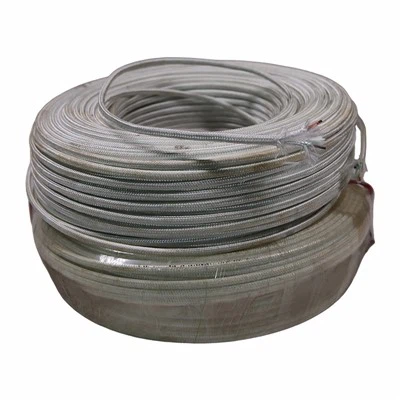
First things first, let’s talk about what a thermocouple actually is. A thermocouple is a device that consists of two different metals joined together at one end. When there’s a temperature difference between the joined end (the measuring junction) and the other end (the reference junction), it generates a small voltage. This voltage is directly related to the temperature difference, and by measuring it, we can figure out the temperature of the object we’re interested in.
Now, why are thermocouples so great for measuring the temperature of small objects? Well, they’re super sensitive. They can detect even the tiniest changes in temperature. Plus, they’re relatively small and can be easily placed in close contact with the small object. This allows for accurate temperature readings without disturbing the object too much.
So, how do you go about measuring the temperature of a small object with a thermocouple? Here’s a step – by – step guide.
Step 1: Choose the Right Thermocouple
There are different types of thermocouples out there, each with its own characteristics. The most common types are Type K, Type J, Type T, etc. Type K thermocouples are pretty popular because they can measure a wide range of temperatures, from about -200°C to 1372°C. Type J thermocouples are good for lower – temperature applications, usually from 0°C to 760°C. Type T thermocouples are great for very low – temperature measurements, down to -200°C.
When choosing a thermocouple for a small object, you need to consider the temperature range of the object. If you’re measuring the temperature of a small electronic component that usually operates at a relatively low temperature, say around 0 – 100°C, a Type T thermocouple might be a good choice. But if you’re dealing with something that gets really hot, like a small metal part in an industrial furnace, a Type K thermocouple would be more suitable.
Step 2: Prepare the Thermocouple
Once you’ve chosen the right thermocouple, you need to prepare it for use. First, make sure the measuring junction is clean. Any dirt or debris on the junction can affect the accuracy of the temperature measurement. You can use a clean, soft cloth or a small brush to gently clean the junction.
Next, you’ll need to attach the thermocouple to a measuring device. This can be a thermocouple thermometer or a data acquisition system. The measuring device will read the voltage generated by the thermocouple and convert it into a temperature value. Make sure the connections are secure. A loose connection can lead to inaccurate readings.
Step 3: Place the Thermocouple on the Small Object
This is a crucial step. You want to make sure the measuring junction of the thermocouple is in good contact with the small object. If there’s a gap between the junction and the object, the heat transfer will be poor, and the temperature reading won’t be accurate.
One way to ensure good contact is to use a small amount of thermal paste. Thermal paste helps to improve the heat transfer between the thermocouple junction and the object. Apply a thin layer of thermal paste on the measuring junction and then gently press it against the small object.
Another option is to use a clip or a clamp to hold the thermocouple in place. This is especially useful if the object is in a hard – to – reach place or if there’s a risk of the thermocouple moving around. Just make sure the clip or clamp doesn’t damage the thermocouple or the small object.
Step 4: Take the Temperature Reading
Once the thermocouple is properly placed on the small object, it’s time to take the temperature reading. Give the thermocouple a little time to reach thermal equilibrium with the object. This usually takes a few seconds to a minute, depending on the size of the object and the thermal conductivity of the materials involved.
After the thermocouple has reached thermal equilibrium, check the temperature reading on the measuring device. Make sure to take multiple readings over a short period of time to ensure consistency. If the readings vary a lot, there might be an issue with the contact between the thermocouple and the object or with the measuring device itself.
Step 5: Analyze and Record the Results
Once you have your temperature readings, it’s a good idea to analyze and record them. You can use software to create graphs or charts to visualize the temperature changes over time. This can be really useful if you’re monitoring the temperature of the small object as part of a process, like a chemical reaction or a manufacturing process.
Recording the results also allows you to compare the temperature readings with previous measurements or with the expected temperature range. If the temperature is outside the expected range, it could indicate a problem with the object or the process.
Now, I know some of you might be thinking, "This all sounds great, but where can I get a good thermocouple?" Well, that’s where I come in! As a thermocouple supplier, I offer a wide range of high – quality thermocouples at competitive prices. Whether you need a Type K, Type J, or Type T thermocouple, I’ve got you covered.
If you’re interested in purchasing thermocouples for your temperature measurement needs, don’t hesitate to reach out. We can have a chat about your specific requirements, and I’ll help you find the perfect thermocouple for your application.
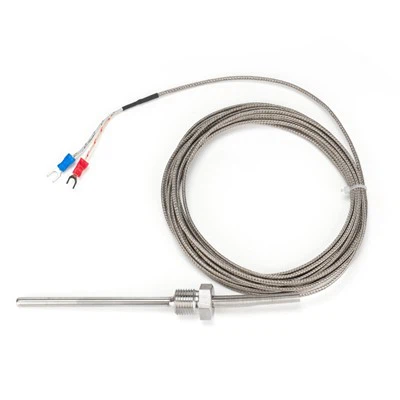
In conclusion, measuring the temperature of a small object with a thermocouple is a straightforward process if you follow the right steps. Choose the right thermocouple, prepare it properly, place it in good contact with the object, take accurate readings, and analyze the results. And if you need a thermocouple, remember, I’m here to assist you.
Digital Temperature Controller References:
- "Temperature Measurement with Thermocouples" by Omega Engineering
- "Thermocouple Handbook" published by National Institute of Standards and Technology (NIST)
Jiangsu Zhaolong Electric Co., Ltd.
We’re well-known as one of the leading thermocouple manufacturers and suppliers in China, featured by quality products and low price. Please feel free to buy customized thermocouple made in China here from our factory. Contact us for more details.
Address: No. 80, Zhangguo Chang’an Road, Dainan Town, Xinghua City, Jiangsu Province
E-mail: 180193845@qq.com
WebSite: https://www.cnzhaolong.com/
