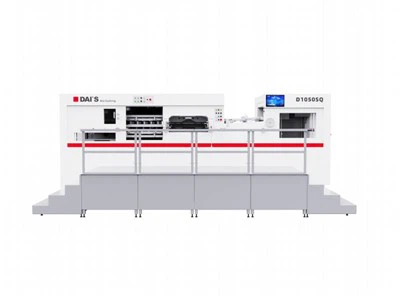
Hey there! I’m a supplier of slitting machines, and today I wanna share some tips on how to sharpen the blades of a slitting machine. Slitting machines are pretty important in industries like paper, plastic, and metal processing. Keeping the blades sharp not only ensures a clean cut but also extends the life of your machine. So, let’s dive right in! Slitting Machine
Why Blade Sharpening Matters
First off, why is it so crucial to keep those blades sharp? Well, dull blades can cause all sorts of problems. They can lead to rough cuts, uneven edges, and even damage to the material you’re cutting. Plus, a dull blade has to work harder, which can put extra stress on the machine and increase energy consumption. In the long run, it can cost you more in terms of maintenance and replacement parts.
Signs Your Blades Need Sharpening
How do you know when it’s time to sharpen your slitting machine blades? Here are a few tell – tale signs:
- Poor cut quality: If you notice frayed edges, burrs, or inconsistent cuts on your material, it’s a good indication that the blades are dull.
- Increased force required: When you have to apply more pressure to make a cut, the blades are likely losing their edge.
- Longer cutting times: If the machine is taking longer to cut through the material than usual, it could be because the blades aren’t as sharp as they should be.
Tools You’ll Need
Before you start sharpening, gather the necessary tools. You’ll need:
- Sharpening stones: There are different types of sharpening stones, such as coarse, medium, and fine grit. Coarse stones are used for initial sharpening, while fine stones are for finishing.
- Lubricant: A lubricant helps to reduce friction and prevent the blades from overheating during the sharpening process. Mineral oil is a common choice.
- Safety gear: Wear gloves and safety glasses to protect yourself from sharp edges and debris.
Step – by – Step Sharpening Process
Step 1: Remove the Blades
First, make sure the slitting machine is turned off and unplugged. Then, carefully remove the blades from the machine. This may involve loosening some bolts or clamps, depending on the design of your machine.
Step 2: Clean the Blades
Once the blades are removed, clean them thoroughly. Use a degreaser or a mild detergent to remove any dirt, debris, or residue. Rinse the blades with water and dry them completely. This step is important because any dirt or debris on the blades can affect the sharpening process.
Step 3: Choose the Right Sharpening Stone
As I mentioned earlier, you have different grits of sharpening stones. If the blades are very dull, start with a coarse – grit stone. For minor dullness, a medium – grit stone may be sufficient. Save the fine – grit stone for the final finishing touches.
Step 4: Sharpen the Blades
Place the sharpening stone on a flat, stable surface. Apply a small amount of lubricant to the stone. Hold the blade at the correct angle. The angle depends on the type of blade and the material it’s made of, but a common angle is around 20 – 30 degrees.
Start sharpening the blade by moving it across the stone in a smooth, consistent motion. Make sure to cover the entire cutting edge. For the best results, alternate between the two sides of the blade. Keep applying pressure evenly as you sharpen.
If you’re using a coarse – grit stone, you may need to make several passes to remove the dull edge. Once you’ve achieved a sharp edge with the coarse stone, switch to a medium – grit stone to refine the edge. Finally, use the fine – grit stone for a smooth, polished finish.
Step 5: Test the Blades
After sharpening, test the blades to see if they’re sharp enough. You can do this by making a few test cuts on a scrap piece of the material you usually work with. If the cuts are clean and smooth, the blades are ready to be reinstalled.
Step 6: Reinstall the Blades
Once you’re satisfied with the sharpness of the blades, carefully reinstall them in the slitting machine. Make sure they’re properly aligned and tightened.
Maintenance Tips for Blade Longevity
Sharpening the blades is just one part of keeping your slitting machine in top shape. Here are some additional maintenance tips:
- Regular cleaning: Clean the blades after each use to prevent the build – up of dirt and debris.
- Proper storage: Store the blades in a dry, clean place to prevent rust and corrosion.
- Use the right cutting speed: Using the correct cutting speed for the material you’re working with can help reduce wear and tear on the blades.
Conclusion
Sharpening the blades of a slitting machine is an important task that can improve the performance and lifespan of your machine. By following these steps and maintenance tips, you can ensure that your slitting machine continues to operate efficiently.
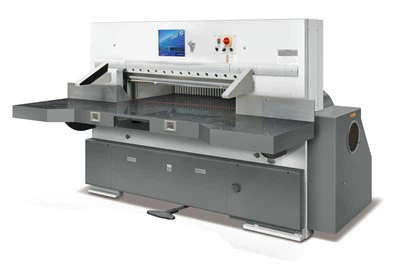
M12 Series If you’re in the market for a new slitting machine or need replacement blades, I’m here to help. As a slitting machine supplier, I’ve got a wide range of high – quality machines and blades to meet your needs. Whether you’re a small business or a large industrial operation, I can provide the right solutions for you. Don’t hesitate to reach out if you have any questions or want to discuss your requirements. Let’s work together to keep your production running smoothly!
References
- "Handbook of Industrial Cutting Tools"
- "Slitting Machine Operation and Maintenance Guide"
Zhejiang Dai’s Printing Machine Co., Ltd.
Zhejiang Dai’s Printing Machine Co., Ltd. is one of the most experienced slitting machine manufacturers and suppliers in China, also supports customized service. Please rest assured to buy bulk durable slitting machine at low price from our factory. For pricelist, contact us now.
Address: No. 797, Nanming Road, Shuige Industrial Park, Liandu District, Lishui City, Zhejiang Province, P.R. China
E-mail: 3376094828@qq.com
WebSite: https://www.dais-machine.com/
