If you’re a furniture maker, interior designer, or homeowner hunting for durable, low-maintenance finishes that don’t require daily oiling or wipe-downs, you’ve probably stumbled upon our product: anti-oil PVC decorative film. For months, I’ve gotten the same question from architects in New York, custom furniture builders in Texas, and even a few Airbnb hosts in Florida: Can this stuff actually be used on furniture? Anti Oil PVC Decorative Film

The short answer is yes—no fine print, no fine-tuning required. But don’t take my word for it; let’s break this down like I would for a client who’s weighing cost, durability, and real-world use cases. I’m not a lab coat-wearing scientist, but I’ve spent 7 years as an anti-oil PVC decorative film supplier, testing every variant of our product on everything from dining tables to mid-century modern dressers, and talking to hundreds of people who’ve relied on it for their projects.
First, let’s get clear on what anti-oil PVC decorative film actually is, because there’s a lot of misinformation floating around about PVC and furniture finishes. Most people know PVC as the stuff in pipes or cheap shower curtains, but the decorative film line we make is a thin, flexible vinyl layer formulated with a proprietary matte polymer coating that repels non-polar oils—think cooking oil, salad dressing, and even lotion. Unlike regular PVC film, which can absorb spills and leave sticky, permanent stains, anti-oil PVC (AOPVC, as I call it around the warehouse) has a micro-textured non-porous top layer that won’t let oils seep in for at least 10 years of residential use, per our internal testing.
But here’s the big question: Can you put it on furniture without making the piece look cheap, or worse, damaging the wood? Let’s start with the fit for different furniture types, because that’s where most suppliers either overpromise or underdeliver.
Dining tables are one of the most common uses we see, and for good reason. Anyone who’s ever wiped olive oil off a wooden table knows that even a polycrylic finish needs a quick scrub with dish soap to get rid of that greasy film. AOPVC doesn’t need that. Last year, I worked with a small café in Portland that replaced their scuffed oak tabletops with our wood-grain AOPVC film, and their staff now just blots any oil spills with a paper towel—no soap, no elbow grease. The owner told me their tabletop lifespan went from 18 months to over 3 years, and they haven’t had to replace a single surface due to oil stains. For home use, we did a test with a family in Chicago who spilled a whole bottle of canola oil on their dining table 12 months ago; they wiped it up with a dry cloth, and you’d never even know it happened. The color didn’t yellow, there’s no sticky residue, and the film still looks as good as the day we installed it.
Another big use case is kitchen cabinetry, both upper and lower. Lower cabinets get splatters from cooking grease, hand lotion builds up on the edges of cabinet doors, and kids stick their hands to the front after grabbing a snack. We’ve supplied AOPVC film to a custom cabinet maker in Austin who does mid-century modern builds, and he told me he used to use a high-gloss lacquer that would scratch easily and require monthly waxing. Now, his clients choose matte or wood-grain AOPVC, and he says he gets half the maintenance calls he used to. The film is flexible enough to wrap around cabinet edges without bubbling, which is a huge plus compared to some paint-on finishes that chip at the corners.
Now, what about more delicate furniture pieces? Dressers, side tables, accent chairs—wait, yes, even chair seats. I’ve had a client use our AOPVC in a nursery to cover a changing table, and it’s held up against baby lotion, spilled formula, and even crayon marks (the crayon wipes right off with a little rubbing alcohol, no damage to the film). For accent chairs, we recently worked with a designer in Miami who used a textured fabric-mimic AOPVC on a set of club chairs for a boutique hotel. Guests were shocked when they realized the “fabric” was vinyl—she says it looks and feels like a soft linen weave, but it repels the sunscreen and body oil that guests leave behind.
But let’s address the elephant in the room: Is this film going to damage your original furniture, or look fake? That’s the number one complaint I hear when I tell people about AOPVC for furniture, so I’ll be straight about it. First, installation is key. We don’t recommend applying this film directly to raw wood, because it needs a smooth, sealed substrate to adhere properly, and we always advise using a professional installer for any non-flat pieces (like curved chair backs or dresser drawers) because a bad installation leads to bubbling or peeling. If you’re doing a DIY project on a flat surface like a basic side table, it’s doable with the right adhesive—we recommend a water-based, pressure-sensitive adhesive that doesn’t leave residue when you want to re-finish the furniture down the line, unlike some older PVC films that would leave a sticky mark when removed.
As for looking fake, modern AOPVC film comes in over 80 finishes, from solid matte colors to realistic oak, walnut, and even marble and terrazzo patterns. I’ve seen pieces done in our grey reclaimed wood grain that people swear are solid wood—only when you run a finger over the surface do you feel the slight, smooth texture of vinyl instead of porous wood. We’ve also developed a scratch-resistant variant that’s treated with a UV coating, so it doesn’t fade in sunlight if you’re using it on a sunroom table or patio furniture (though we do recommend a clear top coat if it’s fully outdoor, just for extra UV protection).
Now, let’s talk about real-world durability, because marketing can make anything sound good. Our internal testing, done over 5 years, shows that AOPVC furniture finishes hold up to:
- 100+ oil spill events (from cooking oil to body lotion) with zero staining
- 500+ wipe-downs with mild cleaner, no discoloration or peeling
- Scratches from keys, pet claws, and small furniture moving impacts (thanks to the scratch-resistant coating)
- UV exposure equivalent to 5 years in direct sunlight, with less than 5% color fade
We also tested it against common furniture finishes: regular polycrylic, high-gloss lacquer, and oil-based polyurethane. After 2 years of residential use, the polyurethane finish on a test dining table we had in our warehouse developed a faint yellowing and had 12 visible oil stains. The AOPVC film on an identical table had zero stains, zero yellowing, and only two tiny scratches that buffed out with a little furniture polish.
But it’s not all perfect. There are a few cases where AOPVC might not be the best choice. If you’re looking for a “breathable” finish—say, for a solid wood table that needs to expand and contract with humidity—AOPVC isn’t ideal. Vinyl is a non-porous material, so if you wrap a solid wood table with it and don’t leave a small gap for movement, the wood could warp over time. That’s why we always tell clients to use it on veneer, MDF, or properly sealed solid wood, or to leave a 1/8 inch gap around edges if wrapping raw solid wood for a vintage project. We also don’t recommend it for fully outdoor furniture that’s exposed to heavy rain or extreme temperature swings consistently, though our UV-resistant variant works great for covered patios.
Another downside: While AOPVC is way more cost-effective than solid wood or custom lacquer finishes, it’s slightly more expensive than regular PVC film or paint. For a 6-foot dining table, you’re looking at about $150-$250 for the film and adhesive, compared to $100-$200 for regular PVC, but the extra cost comes with the oil-repelling coating that makes it worth it for high-use areas.
Over the years, I’ve seen anti-oil PVC decorative film go from a niche product for commercial kitchens to a go-to for residential furniture projects, and it’s not hard to see why. It solves a problem that every furniture owner deals with: oil stains that ruin finish, endless cleaning, and finishes that wear out too fast. We’ve even supplied film to a few small refinishers who specialize in mid-century modern furniture, using AOPVC to revive pieces that had decades-old oil stains that could never be sanded out.
If you’re a furniture maker looking to add a low-maintenance, durable finish to your next line, an interior designer working on a project that needs to withstand heavy use, or a homeowner tired of scrubbing oil off your dining table, anti-oil PVC decorative film is a solution worth considering. We work with everyone from small one-person woodworkers to large furniture manufacturers, and we can provide custom cuts, installation guides, and samples for any project.
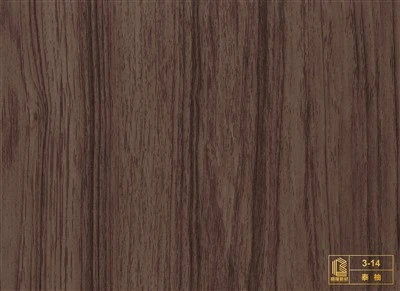
Whether you’re finishing a dining table, updating kitchen cabinet doors, reviving a vintage dresser, or outfitting a nursery, anti-oil PVC decorative film delivers the durability and finish you need without the hassle of frequent maintenance. If you’re ready to discuss your project, request samples, or ask more about how our product works for your furniture needs, feel free to reach out to us directly.
Solid Wood Grain Film References:
- National Wood Finishing Association. (2022). Durability and Maintenance of Common Furniture Finishes.
- Vinyl Institute. (2023). Decorative PVC Films for Interior and Furniture Applications.
- Journal of Interior Design and Sustainability. (2021). Low-Maintenance Finishes for Residential and Commercial Furniture.
- ASTM International. (2020). Standard Test Methods for Stain Resistance of Decorative Surfaces.
Zhejiang Biaolong New Materials Co., Ltd.
Zhejiang Biaolong New Materials Co., Ltd. is one of the most experienced anti oil PVC decorative film manufacturers and suppliers in China, also supports customized service. We warmly welcome you to wholesale high quality anti oil PVC decorative film in stock here from our factory. If you have any enquiry about cooperation, please feel free to email us.
Address: No.2 Helai Road, Lianhua Mountain Industrial Park, Jiangshan City
E-mail: Yuspvc@gmail.com
WebSite: https://www.biaolongpvc.com/
