If you’re reading this, chances are you’re responsible for managing infrastructure—maybe a municipal road crew, a facilities manager at a industrial park, or even a property owner who’s noticed their composite manhole cover has a crack or dent that’s been bugging you. Let me start by saying I’ve been selling composite manhole covers for over a decade, and I’ll be the first to admit: even the best quality ones aren’t indestructible. Heavy machinery, sharp debris, accidental impacts from construction equipment, or even extreme temperature fluctuations can leave them damaged. That’s why I’m here to walk you through how to repair a damaged composite manhole cover properly—because replacing them prematurely is a waste of money, and a half-baked repair can lead to bigger issues down the line. Composite Manhole Cover
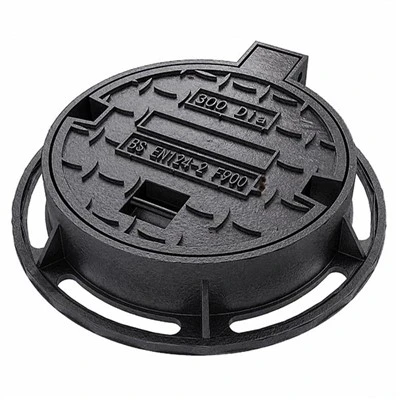
First, a quick note on why composite manhole covers are so popular in the first place, because that context matters for repairs. Unlike cast iron covers, composite ones are made from a mix of resin (usually polyester or epoxy), fiber reinforcement (like glass or carbon fiber), and sometimes fillers. They’re lightweight, corrosion-resistant, non-conductive, and don’t rust—perfect for areas like wastewater treatment plants, electrical substations, or pedestrian-heavy sidewalks where cast iron would be overkill. But that composition also means repairs can’t be the same as patching metal or concrete. If you try to use a quick-dry cement or a weld, it’ll crack again in a few months. I’ve seen too many clients cut corners here, so I’m going to stick to the method that’s been tested by municipal crews and our own installation teams for years.
Before you even grab any materials, you need to assess the damage correctly. Not all damage is worth repairing. If your cover has a thin, surface-level scratch that’s just cosmetic and doesn’t go through the top layer, you can leave it alone. But if there’s a crack deeper than a quarter-inch, a chip that’s more than two inches wide, or a dent that’s warped the cover so it doesn’t seat properly in the frame—those are the ones we need to fix. Also, check for cracks that run all the way through the cover, especially near the edges where the cover meets the manhole frame. Those are structural and require a different approach, but even then, repair is usually cheaper than replacement if done right. And one more thing: never repair a cover that’s already broken in half. For that, replacement is the only safe option.
Now, let’s talk about safety first. Working near manholes means there’s a risk of exposure to gases—methane, hydrogen sulfide, even carbon monoxide, especially if you’re near a wastewater or industrial site. Make sure you have a gas detector, and test the area before you start. Wear gloves, safety glasses, and a dust mask—composite dust from sanding can irritate your lungs and eyes. If you’re working on a road, set up proper traffic barriers or cones to keep vehicles and pedestrians away until the repair is fully cured. Rushing this step leads to accidents, and that’s the last thing you need.
Next, gather your materials. You don’t need anything fancy, but you do need products designed for composite materials. Here’s what I recommend:
- Polyester resin (it’s cheaper and easier to work with than epoxy for most field repairs, and it bonds well with glass-fiber reinforced composites)
- Glass fiber mat (1-2 oz per square yard is perfect for patching; avoid roving for thin cracks, it’s too heavy)
- Hardener (specifically for the resin you’re using—different resins need different hardeners, don’t mix them)
- Sandpaper (80-grit for roughing up the surface, 120-grit for smoothing after)
- A putty knife or plastic spreader (metal can react with the resin, so plastic is better)
- Acetone or denatured alcohol (for cleaning the surface)
- Mixing cups and stir sticks (disposable ones so you don’t have to clean them)
- Tape measure and a marker (for outlining your repair area)
If you’re worried about sourcing these, most hardware stores carry composite repair kits, which have all the materials you need in one package. We also supply these kits as an add-on when clients buy covers from us, so just reach out if you need details.
Now, the step-by-step repair process. Let’s break it down for two common types of damage: surface cracks and larger chips/dents. We’ll start with surface cracks, since those are the most common.
First, prepare the repair area. For a crack, use a wire brush or an angle grinder with a sanding disc to widen the crack slightly into a V-shape. Don’t make it too big—just enough to create a “key” so the resin can bond to the sides of the crack. The V-shape should be about a quarter-inch deep, just enough to make sure you’re not sealing the crack from the outside only. If there’s any debris in the crack, clean it out with a brush. Then, take acetone and a clean cloth, and wipe the entire area around the crack (within 2-3 inches) to remove dirt, grease, or any loose composite particles. A clean surface is non-negotiable—if there’s oil or grime, the resin won’t stick.
Next, mix the resin. Follow the ratio on your hardener package—usually it’s 10 parts resin to 1 part hardener, but double-check, because too much hardener will make the resin brittle, too little and it won’t cure. Stir it slowly, don’t whip in air bubbles, which will weaken the repair. For a small crack, you only need a small amount—enough to fill the V-shaped cut. Using your plastic spreader, push the resin into the crack, making sure it’s completely full. If there’s excess resin on the surface, wipe it off right away with a clean cloth dipped in acetone. Let it cure for at least 24 hours before putting any weight on it. Wait, I know some people say it’s touch-dry in an hour, but trust me—composite resin needs time to fully harden, especially if it’s going to be under a manhole cover that’s carrying heavy loads.
Now for larger chips or dents, which are a bit more work. First, just like with the crack, prepare the area. Use 80-grit sandpaper to rough up the entire damaged area and the surrounding 3 inches of the cover. This creates texture so the new composite material can bond to the old one. If the chip is deeper than half an inch, you’ll need to build it up in layers, not just a single coat of resin. That’s where the glass fiber mat comes in. Cut the mat to fit the chip, making sure each piece of mat overlaps the damaged area by at least an inch on all sides. Why overlap? Because the edges of the repair are where stress is highest—overlapping creates a stronger bond that won’t lift.
Now, mix a batch of resin, same as before. First, apply a thin layer of resin to the entire damaged area, spreading it evenly with your putty knife. Then, press a piece of glass fiber mat into the wet resin, making sure there are no air bubbles (use the spreader to smooth it out). Add another thin layer of resin over the mat, soaking it completely—you should see the mat through the resin, that’s how you know it’s saturated. If the chip is deeper, add another layer of mat and resin, letting each layer cure for about 2 hours before adding the next. Don’t pile too many layers at once, or the resin won’t cure properly in the middle. Once you’ve built up the repair level with the rest of the cover, let it cure for 24 hours.
After curing, smooth out the repair area with 120-grit sandpaper, then 220-grit if you want it to blend in better. Wipe away all the sanding dust with a damp cloth, then check if the repaired area is seated correctly in the manhole frame. If it’s a little high, sand it down more; if it’s low, you can add a small amount of resin to fill the gap. Once it’s smooth, you’re done—your cover is good as new, and you didn’t have to spend hundreds of dollars on a replacement.
Wait, let’s talk about a common mistake I see all the time: painting or sealing the repaired area with a regular latex paint. Composite manhole covers are sometimes marked for utility or traffic, but if you use the wrong paint, it will peel off. If you want to mark your repaired cover, use a paint designed for composite materials—we sell this paint too, and it sticks way better than regular house paint. Or, if you don’t need marking, you’re all set.
Now, when is repair not a good idea? Let’s be realistic. If the cover is more than 10 years old and has multiple cracks running through it, especially near the center where the load is highest, replacement is better. If you have a cover that’s broken in two, even a great repair won’t hold up to heavy traffic, so it’s safer to replace it. Also, if the damage is from a chemical spill—like strong acids or oils that have corroded the composite material from the inside—repair won’t work, because the resin has already been weakened. But in most everyday cases, a repair will last just as long as a new cover, if you do it right.
I’ve had a client call me last year who tried to patch a crack in a composite cover with epoxy putty from a hardware store, and within a month it was cracked again. The problem was that the epoxy putty isn’t made for composite materials—it bonds to metal and concrete, but not to the resin in the manhole cover. That’s why I stress using the right materials for the job. When you buy composite manhole covers from us, we’re happy to share our repair guidelines and even send a small repair kit at a discounted rate, because we know that proper maintenance helps our products last longer, and that’s good for everyone.
Another tip: regular inspections can prevent damage from getting bad. Every 6 months, check your manhole covers for small cracks, dents, or loose seating. Catching a quarter-inch crack before it becomes a two-inch chip saves you time and money in the long run. Most municipalities we work with do this, and their repair costs are 30% lower than ones that only fix damage after it’s a problem.
Now, I know this sounds straightforward, but if you’re not comfortable working with resins or sanding, don’t hesitate to call in a professional. A bad repair is a safety hazard—if a manhole cover fails, it can cause accidents, damage vehicles, or even lead to someone falling into the manhole. Safety should always come first.
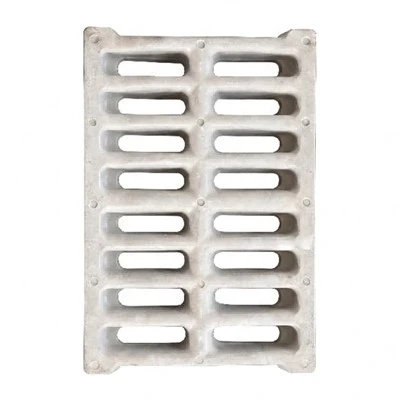
At the end of the day, composite manhole covers are designed to be durable, but they’re not invincible. Knowing how to repair them properly is a skill that saves money and keeps infrastructure working smoothly. If you have more questions about repairing your specific cover, or if you’re looking to replace a damaged one entirely, we’re here to help. Don’t hesitate to reach out to discuss your needs and find the right solution for your site.
Ductile Iron Manhole Cover References:
ASTM International. Standard Specification for Fiber-Reinforced Polymer (FRP) Manhole and Frame Assemblies.
National Association of Corrosion Engineers (NACE). Field Repair Guidelines for Composite Infrastructure Components.
Municipal Infrastructure Repair Association (MIRA). Best Practices for Manhole Cover Maintenance and Repair.
Hangzhou Hongkun Municipal Engineering Co., Ltd.
We are one of the most experienced composite manhole cover manufacturers and suppliers in China, also accept customized orders. We warmly welcome you to wholesale bulk high quality composite manhole cover in stock here from our factory. If you have any enquiry about quotation, please feel free to email us.
Address: No.666, Jiuheng Road, Shangcheng District, Hangzhou City, Zhejiang Province
E-mail: tsxhxw@126.com
WebSite: https://www.hkmuni.com/
