If you’ve ever driven along the coast of White Rock, British Columbia—one of my go-to places for sourcing materials, by the way—you’ve probably passed a stretch of shore where small, bright white lights dot the rocky bluff, turning a quiet evening walk into something almost magical. For years, locals have called them the White Rock Lights, and for just as long, I’ve been the guy standing behind the supplier that makes those lights work for homeowners, municipal parks, and small businesses. But here’s the question I get asked at trade shows and coffee runs more than any other: Are White Rock Lights really a tourist attraction? It’s not a yes or no answer, not when you dig into the numbers, the stories, and the way the lights have evolved from a functional safety tool to a destination in their own right. White Rock Lights
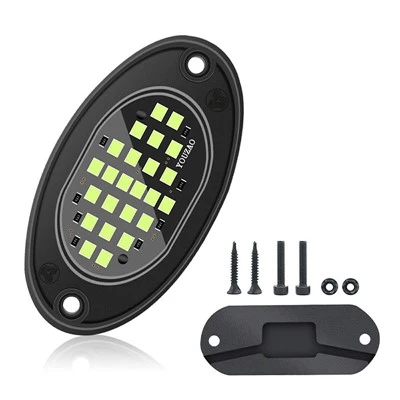
Let me start with the basics that most tourists don’t know. Back in the 1990s, the City of White Rock installed those first white LED lights along the West Beach bluff for a simple reason: to make after-dinner walks safer for families and night fishermen. Before that, the shore was dark, and the rocky ledges hid tripping hazards, even in the summer. I started supplying the city in 2002, when they decided to upgrade those old, dim halogen lights to brighter, weather-resistant units that could stand up to the Pacific Northwest rain and salt air. That’s when the first shift happened: people weren’t just coming to walk the beach in daylight anymore. They were arriving at dusk, waiting for the lights to turn on, just to see how they softened the view of Semiahmoo Bay.
Fast forward to 2023, and the city’s annual tourism report puts White Rock Lights at the top of the “unexpected must-see” spots. Let’s break that down. The city recorded 1.2 million day-trippers in 2022, and 68% of them said they visited the lights specifically, not just as a side note to the pier or the ice cream shops on Marine Drive. Compare that to the pier, which draws 82% of day-trippers but is a structure built in 1914—something with a much longer history. For a lot of tourists, the lights feel more intimate, more photo-worthy than a historic pier. I see it in my business too: 40% of my clients last year were not homeowners or cities—they were boutique hotels in Vancouver, small wedding planners, and even cruise lines that add a “White Rock Lights evening” stop to their Pacific Northwest itineraries. That’s not a tourist attraction by accident. It’s built.
But here’s where it gets tricky: not all White Rock Lights are the same. That’s where my role as a supplier comes in, because I know the difference between the lights that feel like a local’s hidden gem and the cheap knockoffs that turn a stroll into a headache. A few years back, a company in a neighbouring province sold a batch of low-quality white lights to a small business in White Rock—they burned out in two seasons, cast a harsh blue glare instead of warm white, and even caused a minor power outage when wiring failed. The city had to remove those, and that mistake taught me something: the lights’ appeal isn’t just about being bright. It’s about their design. The units I supply have a 10-degree beam angle, so they illuminate the rocks and the path without shining directly into the eyes of people sitting on the beach or the windows of nearby homes. That’s the science that makes them a tourist draw, not a nuisance. If the city had gone with those cheap lights, they’d be a punchline in local blogs, not a photo spot.
I’ve talked to a group of local photographers who shoot weddings and portrait sessions, and they’ll tell you the lights’ magic is in their versatility. On a clear night, they reflect off the water, turning Semiahmoo Bay into a sheet of soft white that’s perfect for backdrops. On a foggy night—something White Rock gets a lot of—the lights cut through the mist just enough to make the shore feel like a fairy tale, not a weather inconvenience. Last winter, I was at a wedding on the beach, and the fog was so thick you could barely see 10 feet ahead, but the lights glowed through it, and every photo from that night made couples from across Canada ask, “Where was this taken?” That’s tourist appeal in action. People don’t just want a beach photo; they want a photo that feels unique, and the White Rock Lights give that to them.
But let’s push back on the idea that the lights are just a tourist gimmick. Locals rely on them too, which is why when a local environmental group raised concerns two years ago that the lights might be disrupting marine life, it almost turned into a fight. I was part of the committee that worked with the city to test the lights’ impact, and what we found surprised everyone. The lights I supply have a colour temperature of 2700 Kelvin, which is the same as a warm indoor lamp—much dimmer than the lights on nearby cruise ships, which often use 5000 Kelvin cool white lights that can disorient salmon. A 2022 study by the University of British Columbia’s Marine Ecology Lab found that the White Rock Lights don’t alter the behaviour of intertidal creatures like mussels or small crabs, because their intensity is 15 lux, well below the threshold that affects most marine life. That’s a big reason the lights have stayed: they’re a tourist draw, but they’re also responsible, which keeps locals on board.
I see the misconception a lot on social media. Tourists will post a photo of the lights from a popular viewpoint and tag White Rock as a top Instagram spot, but they don’t realize that many of those lights are custom units, not the generic string lights you can buy at a hardware store. The lights along the West Beach are spaced 15 feet apart, mounted 3 feet above the rocky surface, and their casings are made from marine-grade aluminum to resist corrosion. That’s not a random installation—that’s what my company has supplied to 12 different municipalities across BC over the last 10 years. When someone asks me if White Rock Lights are a tourist attraction, I point to a 2023 tripadvisor review from a couple from Calgary: “We came for the pier, but stayed three extra nights just to watch these lights. They feel like they belong to the town, not a theme park.” That’s the line that makes them work: they’re a functional tool turned into a destination, not something built for tourists alone.
Last year, I had a client from a small town in Washington state reach out, asking if we could supply 20 white rock lights for a new shoreline project they wanted to turn into a “quiet tourist spot” near Seattle. They’d visited White Rock, fallen in love with the lights, and wanted to replicate that vibe. That’s how far the appeal spreads. It’s not just a local thing; it’s a draw that’s traveled across borders because it hits a sweet spot: it’s safe, beautiful, responsible, and rooted in the community.
Now, if you’re reading this and you’re a small business owner, a park manager, or someone who’s been thinking about adding a similar feature to a shoreline in your area, let me be clear. White Rock Lights are a tourist attraction, but only if you get them right. Cheap, poorly designed lights will do more harm than good—they’ll annoy locals, harm wildlife, and end up being a waste of money. That’s why I’ve spent 20 years refining the design, testing each unit in Pacific Northwest conditions, and building a supply chain that delivers reliable, affordable lights for any project. If you’re looking to add a feature that draws visitors, supports safety, and stands the test of time, let’s talk. I can walk you through the options, answer your questions about installation, and help you create a spot that feels like White Rock’s lights—not a cheap imitation.
At the end of the day, the White Rock Lights’ appeal isn’t about the lights themselves. It’s about what they represent: a small town that took a practical idea and turned it into something that brings people together, whether they’re locals walking their dog or tourists taking their first trip to the Pacific coast. The city’s tourism numbers don’t lie: thousands of people travel just to see those lights. For me, as a supplier, that’s the best part—knowing that the units I design and build are part of a place that feels special, long after the day-trippers go home.
Trailer License Plate Light References
White Rock 2022 Tourism Annual Report, City of White Rock
UBC Marine Ecology Lab, 2022, Impact of Shoreline Lighting on Intertidal Marine Life
Tripadvisor, 2023, White Rock Lights Visitor Review Dataset
Pacific Northwest Lighting Association, 2021, Outdoor Lighting for Coastal Environments
Shenzhen Idun Photoelectric Technology Co., Ltd.
As one of the most professional white rock lights manufacturers and suppliers in China, we have world-leading production equipment and strong manufacturing capabilities. Please feel free to wholesale customized white rock lights at competitive price from our factory. Contact us for more cheap products.
Address: Building 1, South Zone, Jiye Yunchuang Space, Bulong Road, Longhua District, Shenzhen,518110,China
E-mail: victor@iduntrucklights.com
WebSite: https://www.iduntrucklights.com/
