When clients first reach out to me about building multi-story structures, one question always comes up: can IBC steel frames actually hold their own for more than just single-story shops or warehouses? As someone who’s been supplying these frames for over a decade now, I’ve seen way too many misconceptions turn into big, costly mistakes on job sites. Let me break this down straight, no jargon, no sales fluff—just what works, what doesn’t, and why I’d pick IBC steel frames over traditional lumber or concrete for most mid-rise builds these days. IBC Steel Frame
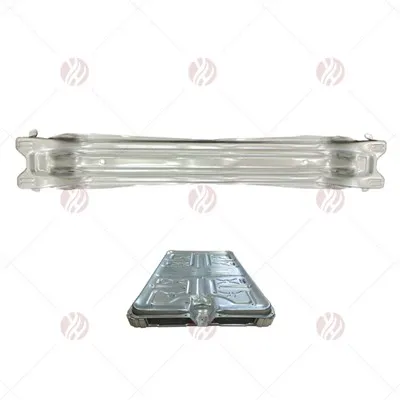
First off, let’s get what IBC steel frames are straight: IBC stands for International Building Code, right? These are pre-engineered steel frames built to meet exactly the safety standards the code sets, not just some random metal bent into shape. For multi-story—we’re talking 3 to 12 floors here, not 20-story skyscrapers—this isn’t just a gimmick. I’ve supplied frames for 6-story apartment buildings, 9-story office spaces, even a couple of 11-story mixed-use spots downtown. The key is how these frames handle load, which is the big thing people worry about when stacking floors. Lumber? It starts warping, sagging, and losing strength once you get above 3 floors, especially if there’s humidity or heavy items like floors and walls sitting on top. Concrete is strong, but it’s slow to pour, prone to cracks if the foundation shifts, and way harder to modify later. IBC steel frames? They’re consistent. Each beam is cut, drilled, and tested to the same specs, so you don’t get weak spots that could cause issues down the line.
Wait, but let’s talk about the code itself because that’s where a lot of people mess up. A lot of contractors still think IBC steel frames only work for single-story, but no—the code’s been updated multiple times over the last 15 years to include specific provisions for mid-rise steel structures. For example, the 2021 IBC edition has detailed requirements for lateral load resistance, which is what keeps a building from tipping over in wind or an earthquake. I’ve had architects come to me saying, “We tried a custom steel frame and it failed code checks,” and half the time it’s because they didn’t use IBC-compliant components—they cut corners on beam size or skipped the required bracing. When you’re buying from a reputable supplier like me, you get frames that are pre-certified to meet those exact IBC rules, so you don’t have to waste time and money reworking stuff to pass inspection.
Let’s get real about the downsides, too—can’t sell you a perfect product here. IBC steel frames are heavier than you might think, so you need a foundation that can handle that extra weight. A concrete slab for a 2-story house? That’s fine, but a 10-story steel frame? You’ll need a reinforced mat foundation, which adds a bit to upfront costs. Also, if you’re working in a really extreme climate—like constant salt air near a coastline, or temperatures that drop way below freezing every winter—you have to get galvanized steel, not raw, to avoid rust. I’ve seen contractors skip that step on a 5-story building near the ocean, and 3 years later they were replacing half the frame because corrosion had weakened the beams. That’s a avoidable mistake, but it’s not the frame’s fault—it’s just not set up for that environment without proper prep.
Now, let’s talk about speed, which is a huge win for multi-story builds. Traditional stick-built multi-story? You’re looking at months just to frame the walls and floors. With IBC steel frames, we prefabricate everything off-site. Beams, columns, even pre-cut joists—all made in my warehouse, checked for defects, then delivered to the site ready to bolt together. I supplied a 7-story apartment complex last year that went from foundation pour to framing complete in 8 weeks. The same job with wood would’ve taken 14 weeks, and concrete would’ve been even longer. Faster turnaround means you can start renting or selling the building sooner, which offsets that slightly higher upfront cost of steel. I’ve had clients tell me the extra rent they collected in the first 6 months covered the difference between steel and lumber.
What about safety, which is the big one for buildings that’ll hold dozens or hundreds of people? IBC steel frames don’t burn, that’s a massive plus. Wood can catch fire, spread quickly, and lose structural strength in minutes—we’ve all seen those news stories of apartment buildings going up in flames. Concrete can crack when exposed to extreme heat, but steel, when it’s IBC-compliant, is treated to resist fire for 1 to 2 hours minimum, and the code lets you add fireproofing if you need more. Also, steel doesn’t have termites or rot—something that’s a constant headache for multi-story residential builds, especially in humid places like the Southeast US. I had a client build a 4-story townhouse complex with wood frames 5 years ago, and last year they had to replace 20 units because of termite damage. The same type of build with IBC steel? No termite issues, no rot, nothing that’s going to cause a structural hazard.
Wait, but let’s address the elephant in the room: cost. A lot of small developers still say, “Steel is too expensive for multi-story.” Yeah, upfront, it might be a bit more than wood, but when you factor in all the hidden costs, it evens out. Less waste on site—prefabricated steel means you don’t have piles of cut lumber lying around that you throw away. Lower labor costs: putting up steel frames is faster, so you pay less in work hours. Longer lifespan: IBC steel frames can last 50+ years with minimal maintenance, while wood frames might need major repairs or replacement in 30. I did a breakdown last quarter for a developer looking at a 8-story office build: steel came in 15% more upfront, but total project cost was 8% lower because of faster construction and fewer change orders. That’s not a fluke—it’s consistent with what I see every month.
But here’s where a lot of people go wrong: not working with a supplier who knows IBC steel for multi-story. I’ve had contractors come to me after buying cheap steel frames from a random online supplier, and they say, “The beam sizes are too small for a 5-story, or the bracing doesn’t meet code.” Those guys don’t have engineers on staff to design frames for your specific build—they just sell standard sizes. When you work with a supplier who specializes in IBC steel frames for multi-story, we work with your architect and structural engineer to custom-design the frame to your exact load needs. We’ll account for snow load on the roof, wind speed in your area, even the weight of the drywall and flooring you’re using. That’s the difference between a frame that passes inspection and one that becomes a problem in 10 years.
Let me share a recent example to make this real. Last year, a team was building a 6-story mixed-use building on the coast of Florida. They tried using IBC steel frames, but went with a supplier that didn’t account for the salt air. Within a year, the steel was rusting, and the engineers said the columns had lost 10% of their strength. They came to me to rework the frames—we used galvanized steel, added extra bracing, and designed the frame to handle the high wind load from hurricanes, which Florida’s code requires. The retrofit cost them half of what it would’ve cost to do it right the first time. That’s why partnering with a supplier that knows the code’s requirements for your location isn’t just nice—it’s necessary.
Another point: flexibility. Multi-story buildings often change as you build or after completion. What if you want to add a floor later? With IBC steel frames, you can usually just add columns and beams on top, no need to redo the whole foundation. With concrete, you’re pouring a whole new slab, which is way more work. With wood, you’re limited to how much weight you can add. I had a client who built a 9-story office, then 2 years later decided to add a 10th floor—we just fabricated extra beams that matched the original frame, and it took 2 weeks to install. That kind of adaptability is a game-changer for developers who might want to expand down the line.
Now, is there any case where I’d say IBC steel frames aren’t suitable for multi-story? Only a few. If you’re building a super small structure, like a 3-story single-family home, wood might be cheaper and easier. If you’re in a remote area where delivery of steel frames is way too expensive, wood or concrete might make more sense. But for anything 4 stories and up, especially if it’s a commercial building or a multi-unit residential, I can’t think of a better option right now. The code has caught up, the technology has improved, and the cost benefits far outweigh the downsides.
Look, I don’t want to sound like I’m pushing something that’s not right. I’ve been in this industry long enough to see what works and what doesn’t. I’ve seen developers cut corners on frames and end up losing money, time, even reputations. I’ve also seen clients invest in good IBC steel frames and have buildings that stand strong for decades, with minimal headaches. If you’re planning a multi-story build, don’t just go with the cheapest option—do your research, talk to suppliers who specialize in IBC steel for mid-rise, and make sure the frame is designed for your specific project.

If you’re in the process of planning a multi-story building, whether it’s apartments, offices, or mixed-use, I’m here to help. I can walk you through load calculations, code requirements, and how IBC steel frames can fit your timeline and budget. No pressure, just straight advice on what works. Reach out to my team to set up a chat, and we can go over your project details to see if IBC steel is the right fit for you.
IBC Cap References:
- International Building Code (IBC) 2021, Structural Engineering Provisions for Steel Frames.
- Steel Framing Alliance. (2022). Mid-Rise Steel Framing: Cost and Performance Analysis.
- National Institute of Building Sciences. (2021). Lateral Load Resistance for Mid-Rise Steel Structures.
- American Institute of Steel Construction. (2020). Steel Frame Durability in Coastal and Extreme Climate Zones.
Zhenjiang Yuanhai Packaging Co., Ltd.
We’re well-known as one of the leading IBC steel frame manufacturers and suppliers in China, featured by quality products and good price. Please rest assured to buy high-grade IBC steel frame for sale here from our factory. We also accept customized orders.
Address: No. 9, Danwu Road, Dantu District, Zhenjiang City
E-mail: chin_john@msn.com
WebSite: https://www.yhibc.com/
