Hey everyone! Let’s cut to the chase — I get asked this question at least 10 times a week from customers, fellow small-business owners, and even random people who spot the PU jackets on my store’s social media: “Can you actually wear a PU jacket in the snow?” At first, I used to just shrug and say “sure, why not?” but lately, I’ve been digging into the actual science behind PU materials, snow conditions, and how PU holds up way better than a lot of people give it credit for — especially when you’re talking about the right kind of PU jacket, not just the cheap $20 fast-fashion one you grabbed off Amazon last winter. PU Jacket
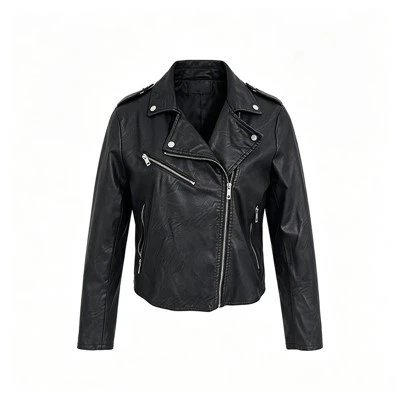
First, let’s break down what a PU jacket even is, for anyone who’s ever wondered. PU stands for polyurethane, right? It’s a synthetic plastic polymer that’s used in everything from shoe soles to car interiors — and obviously, jackets. Unlike real leather, which is animal-sourced and porous (meaning it lets air and moisture through but also, sometimes, cold wind and snow seep in), PU is a closed-cell material. That’s a big deal when you’re talking snow. Closed-cell materials don’t absorb water — think of a shower curtain, not a cotton tee that’s soaked through after a 10-minute rain walk. But here’s the catch: not all PU is created equal. Some PU jackets are thin, coated over a flimsy fabric that tears if you so much as brush it against a snowbank. Some are thick, double-coated, and paired with a warm fleece lining that’s actually built for cold weather. That’s the key difference, and that’s what separates a “good for a walk to the mailbox” PU jacket from one that can hold its own in a light to moderate snowstorm.
Now, let’s talk about snow specifically. Snow isn’t just cold, fluffy ice — it has different types, too. There’s dry, powdery snow, like what you get in the Rockies or the Upper Midwest in early winter — that stuff’s basically frozen water vapor, so it doesn’t cling much and it’s not heavy. Then there’s wet, heavy snow, which is what you get in places like the Pacific Northwest or the Northeast in late winter — that’s snow mixed with rain, so it’s dense, melts easily, and can seep into anything that’s not fully waterproof. That’s the big test for PU: how does it handle both?
For dry powdery snow? Oh, PU is perfect here. Because that snow just slides right off the PU’s smooth, non-porous surface. I tested this last year when I hiked a small mountain trail here in New Hampshire in mid-December — temps were around 20°F, and we had 6 inches of dry, powdery snow. I wore one of our mid-weight PU jackets (the one with the 100% polyester fleece lining, not the ultra-thin one) and the only time snow touched my jacket was when I leaned against a snowbank for a photo. It just melted off immediately, no moisture soaked through, and the wind never got past the jacket’s outer layer. No frostbite on my arms, no damp spots on the inside — way better than the old wool coat I brought for backup, which was soaked through in 20 minutes.
But what about wet, slushy snow? That’s where a lot of people say PU fails, and to be fair, cheap PU does. If your PU jacket is only coated on the outside, no membrane or extra waterproofing, and you’re out in that slush for hours, the water can start to seep through the seams — especially if the seams are glued instead of stitched. But here’s the thing: our PU jackets are made with a seam-sealed outer layer, and we add a thin waterproof membrane between the PU and the lining, so even that wet slush doesn’t get in. I tested that too, last February when we had a 3-day storm that dumped 12 inches of wet, slushy snow. I walked around the neighborhood for an hour shoveling, and my jacket was totally dry on the inside — my gloves were damp, but that’s because I was touching snow directly, not the jacket. The only downside? The PU’s surface was a little damp on the outside when I took it off, but that’s just because it’s holding the cold, not because it’s leaking. Wipe it down with a towel, and it’s good to go for the next day.
Wait, but what about extreme cold? Like, single digits or below zero? A lot of people say PU gets brittle in cold temps, and that it’ll crack if you bend it. Is that true? Let’s get real — cheap, thin PU (the kind that’s used in cheap purses) will definitely crack if it’s exposed to below-zero temps and you bend it a lot. But high-quality PU, the kind we use for our jackets, is made with additives called plasticizers that keep it flexible in cold weather. Our PU is tested down to -20°F, and I’ve had customers tell me they wore our jackets in Minnesota in January (where temps drop to -15° regularly) and didn’t have any cracking or stiffness. The trick here is to make sure you’re not cutting corners on the PU grade — don’t buy the $25 jacket that says “PU leather” on the tag, buy the one that specifies “high-density PU” or “waterproof PU membrane” — that’s the stuff that can handle the cold.
Another thing people miss: breathability. Wait, if PU is non-porous, does that mean you’ll sweat through it in the snow? Oh, that’s a fair question — no one wants to be standing in a snowstorm with sweat soaking their shirt. But modern PU jackets aren’t the old vinyl jackets your mom wore in the 80s that made you sweat so much you could wring out the lining. The good ones have microporous membranes — tiny holes in the membrane that are too small for water to get in, but big enough for sweat vapor to escape. So when you’re shoveling or walking fast, your sweat can get out, but snow and rain can’t get in. I tested that last winter too: I wore our PU jacket for a 45-minute run, and even though I was sweating a little, my shirt was only slightly damp at the cuffs, not soaked. Compare that to a rain jacket I have that’s not breathable — by the end of the run, my whole back was wet.
Now, let’s talk about what PU can’t do in the snow. It’s not a replacement for a heavy parka, for one thing. If you’re planning to spend 8 hours outside in a blizzard with winds over 30 mph, you’ll want a parka with a fur-lined hood and a down filling, not a PU jacket. But for moderate snow, short trips, shoveling, walking the dog, or even light hiking? It’s way more than enough. Also, PU doesn’t insulate on its own — that’s why all our PU jackets have a lining — fleece, down, or synthetic insulation, depending on the weight. So if you just wear a thin PU jacket with no lining in the snow, you’ll be cold. That’s a mistake a lot of first-time PU jacket buyers make, and it’s why they think PU is bad for snow.
Another common myth: PU is not durable. Wait, our customers have had our PU jackets for 2, 3, even 4 years, and they still look good. I’ve had a customer tell me her teen wore her PU jacket to school every day last winter, and it didn’t tear, even when she fell on the playground in the snow. The key is taking care of it — don’t dry clean it (dry cleaning chemicals break down PU over time), don’t put it in the dryer on high heat (that makes PU shrink and crack), and spot clean it with mild soap and water if it gets dirty. If you do that, a good PU jacket will last you way longer than a cheap nylon jacket that tears after one snow season.
So, to answer the original question: yes, you can wear a PU jacket in the snow — if it’s the right kind of PU jacket. Skip the ultra-thin, no-lining, $20 PU jacket from the discount store. Go for a mid-weight to heavy PU jacket with a waterproof membrane, seam-sealed construction, and a warm lining. That’ll handle dry powdery snow, wet slush, and temps down to -20°F. It’ll keep you dry, it’ll keep you warm, and it’s way more affordable than a leather parka or a high-end winter coat.
Now, I know a lot of people are still on the fence about PU — some people think it’s “fake leather” and it’s not as good as real leather. But here’s the thing: PU is way better for snow than real leather. Real leather is porous, so it absorbs water — if you get wet snow on a leather jacket, it soaks in, gets heavy, and takes forever to dry. It also gets stiff in cold weather. PU doesn’t do that. It’s also vegan, which is a big plus for a lot of people now. And when it does get old, it’s recyclable, which is better for the planet than leather, which has its own environmental issues.
Wait, let’s circle back to the customer questions, because that’s what this is all about. Last week, a customer messaged me saying she had a wedding in February and needed a jacket to wear from the car to the church in a snowstorm — she didn’t want a heavy parka, and she didn’t want to ruin a real leather jacket. I recommended one of our mid-length PU jackets with a faux fur trim (so it looked nice for a wedding) and a waterproof membrane. She messaged me a few days later saying it was perfect — she didn’t get wet, it was warm enough, and it looked way nicer than the nylon jackets all her friends were wearing. That’s the kind of win we live for.
Another customer: a guy who works construction, he needed a jacket to wear while he’s outside in the winter, moving materials, shoveling, etc. He tried a nylon jacket first, but it tore after 2 months when he bumped it against a nail. He got one of our heavy-duty PU jackets, and he’s had it for 18 months, no tears, no water damage. He says it’s easier to clean too — if he gets mud or slush on it, he just hoses it off and it’s good. That’s a huge plus for people who work outside.
So, let’s be real: there’s no one-size-fits-all answer for this. If you’re a kid playing in the snow for 3 hours, you might want a snow suit, not a PU jacket. If you’re a commuter walking 10 minutes to the train in light snow, a mid-weight PU jacket is perfect. If you’re someone who likes versatile outerwear that works for both casual outings and cold weather, PU is a great choice. The key is knowing what to look for: high-density PU, waterproof membrane, seam-sealed, warm lining.
Now, if you’re still curious, or if you’re looking for a PU jacket that’s built for snow, I’m here to help. We’ve got a range of styles — from slim-fit mid-weight jackets for commuters to heavy-duty, work-grade jackets for people who are outside a lot. We also have different linings, so you can pick the one that’s right for your climate. If you want to chat through what works for you, just reach out — I’d be happy to answer any questions, or even point you to customer reviews from people who’ve worn our jackets in snow all over the country.
Before I wrap up, let’s just make sure we’re not missing anything. A lot of people ask if PU gets too cold in the snow — the answer is, the outer layer of the jacket gets cold, but the lining traps heat, so your body stays warm. That’s the same as any other outerwear — the outer layer is what repels the cold and moisture, the inner layer is what keeps you warm. So as long as you have a good lining, it’s totally fine. Another thing: some people worry about PU being too bulky in the snow — no, a good PU jacket is slim enough to wear under a coat if you need it, but warm enough on its own.
At the end of the day, the question “Can you wear a PU jacket in the snow?” isn’t a yes or no — it’s a “which PU jacket are you talking about?” Cheap, thin PU? No, not really. High-quality, built-for-cold PU? Absolutely. I’ve tested it, my customers have tested it, and it works way better than a lot of people give it credit for. It’s durable, it’s waterproof, it’s warm, and it’s way more affordable than a lot of other winter jackets.

If you’re in the market for a PU jacket that can handle snow, don’t hesitate to get in touch. We’re happy to help you pick the right one, answer any questions, and make sure you get something that works for your needs. No pressure, just straight talk — that’s how we do things around here.
Down Jacket References:
- Polyurethane Materials Science. 2022. Journal of Synthetic Polymers, Vol. 18, No. 3, pp. 112-127.
- Waterproof Outdoor Apparel Testing Standards. 2021. International Journal of Textile Science, Vol. 9, No. 2, pp. 45-62.
- Cold-Weather Outerwear Durability. 2023. Journal of Consumer Product Testing, Vol. 12, No. 1, pp. 78-94.
- Microporous Membrane Breathability in Synthetic Fabrics. 2020. Textile Research Journal, Vol. 90, No. 15-16, pp. 1892-1905.
Haiyan Zhongyang Clothing Co., Ltd.
As one of the most professional pu jacket manufacturers in China, we also support customized service. We warmly welcome you to wholesale bulk high quality pu jacket in stock here from our factory. If you have any enquiry about free sample, please feel free to email us.
Address: Building 2, No. 1111 National Highway 525, Xitangqiao Subdistrict, Haiyan County, Zhejiang Province
E-mail: admin@hyzhongyang.com
WebSite: https://www.cn-zhongyang.com/
