If you’ve ever pulled up to a gas station, pumped gas, and not thought twice about the whir of motors powering the pumps, the ventilation fans, or the compressors, let me stop you right there. Those motors aren’t just basic parts keeping things running—they’re explosion proof motors, and if you’ve been in the gas station game as long as I have (I’ve been supplying these for over 12 years, and I still get asked this exact question all the time: What the hell are these things even for, anyway? Explosion Proof Gas Station
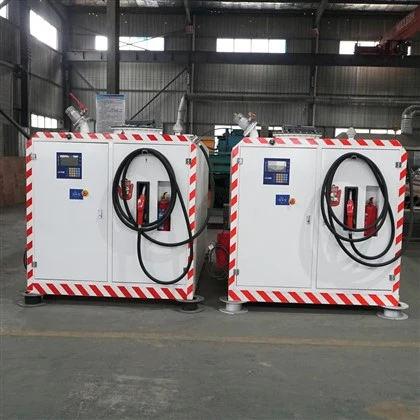
Let’s cut the jargon first, because I’ve dealt with way too many small station owners who walk into my shop thinking explosion proof motors are some fancy, overpriced upgrade they can skip. Here’s the plain truth: gas stations are full of super flammable stuff—gasoline fumes, diesel fumes, even vapors from ethanol blends these days that are way more volatile than regular old gas if they get trapped in a small space. Those fumes don’t smell like a cloud every time you pull up, but they hang around low to the ground, pool in the corners of pump pits, the utility closets, even under the hoods of the dispensers.
Now, any regular electric motor—like the ones in your car, or a regular shop fan—has tiny sparks, right? When the motor turns on or off, or even if something inside it wears out, there’s a little arc, a tiny spark. That spark is so small you can barely see it, but if it’s sitting in a room full of concentrated gas fumes? That’s all it takes to blow a whole station up. I’ve seen it. Back in 2011, a small convenience store/gas station in the next county over used regular motors for their pump ventilation. A pump motor shorted, made a spark, hit the fumes that had been pooling because the old fan was too weak, and the whole back corner of the place went up. No one got killed, but the owner lost everything, and had to close for 8 months. That’s the exact reason explosion proof motors exist.
Wait, so what makes them different from a regular motor? Let’s get into the science here, but keep it simple. A regular motor’s housing is just metal to hold the parts inside. An explosion proof motor’s housing is thicker, way more sturdy, and sealed super tight—like, air tight, almost. If there ever was a tiny spark inside the motor (and I’m not saying that can’t happen, but it’s super rare, even for these), the housing is built so strong that it can contain that spark, that tiny explosion of fumes that might have seeped inside. And the gaps between the parts of the housing are so small, by the time any flame or heat gets out, it’s cooled down enough that it can’t ignite the gas fumes outside. That’s not a guess—those motors have to pass a ton of safety tests to get certified, and we only supply ones that meet the NFPA 70 standards, you know, the National Electrical Code rules that are non-negotiable for gas stations.
Now, where exactly do these motors get used at a gas station, because it’s not just the big pump motors, not by a long shot. Let’s list the main spots, and I’ll tell you why each one matters. First, the dispenser pump motors—those are the ones that push gas from the underground tanks up into your nozzle. Every single one of those has an explosion proof motor, no exceptions. Why? Because when you pull the nozzle out, the pump draws fumes up from the tank, and those fumes are right there around the pump, super concentrated. If that motor was regular, even a tiny spark could set that off. I’ve had a few customers try to save a buck by swapping a pump motor out for a regular one when an old one burned out—total nightmare. One guy did that, and within a week, state inspectors showed up and shut his whole station down until he replaced it with a certified explosion proof one. Inspectors don’t play around with this stuff.
Next, the ventilation system motors, especially the ones in the utility rooms and around the underground tank access points. Those areas trap fumes all day, every day—when you fill up, when the station attendant transfers gas from the delivery truck to the underground tanks, even when it’s hot outside, fumes expand and leak a little. A regular ventilation fan motor would just spread those fumes around, but an explosion proof one doesn’t spark, so it safely pulls the fumes out without turning them into a bomb waiting to go off. Some stations also have under-cove lighting motors, or the motors for the equipment that cleans the gas filters—all of those are explosion proof too, for the same reason.
Wait, what about the tank farm? That’s the big area where the underground gas tanks are, right? There are motors there that power the pressure gauges, the level sensors that tell the attendant how much gas is in the tanks, even the small pumps that move gas between tanks during deliveries. All of those are in a Class I, Division 1 location, by the way— that’s the official term for an area where flammable fumes are present regularly, and that’s exactly where explosion proof motors are required by code. I can’t stress that enough: if your station is in a Class I, Division 1 or 2 area (Division 2 is where fumes might only be present sometimes, but still possible), you can’t use anything other than an explosion proof motor. It’s not a recommendation—it’s the law.
Now, let’s bust another myth I hear all the time: explosion proof motors are way more expensive, and way harder to maintain, than regular ones. Yeah, upfront they cost a little more—maybe 15-20% more than a regular motor, depending on the size. But let’s do the math: if a regular motor costs $200, and an explosion proof one is $250, that’s $50 difference. But if you skip the explosion proof one, and you get a fine from the state? The average fine for a station that’s found with uncertified motors around flammable areas is over $10,000. And if there’s an accident? You’re liable for every cent of damage, and that’s thousands, maybe hundreds of thousands of dollars. On top of that, explosion proof motors are built way more heavy-duty, so they actually last longer than regular ones in these harsh, fume-heavy environments. I’ve got stations that have had the same explosion proof motors for 10 years, no issues, while the regular motors they tried in a side spot burned out in 2 years. So over time, they actually save you money.
And maintenance? It’s not that different from a regular motor. You still check the wiring, make sure the housing isn’t damaged, keep the vents clear, same basic stuff. The only difference is you can’t modify the housing or drill extra holes in it, because that would break the explosion proof seal. Simple rule, easy to follow.
Let me tell you about a recent customer of mine, a small chain of stations out in rural Ohio that upgraded all their motors last year. They were using regular motors because they thought the explosion proof ones were a scam, until a inspector shut down one of their stations for a week and hit them with a $12,000 fine. They called me, and we swapped all their pump motors, ventilation fans, tank level sensors, everything over to certified explosion proof ones. Their maintenance guy told me last month that those motors have run smoother, no breakdowns, and the fine they paid was way more than the total cost of upgrading all their stations. That’s the kind of win I love to see.
Another common question: what about when it’s cold outside? Or humid? Do these motors still work? Absolutely. They’re tested in all kinds of conditions—extreme heat, cold, humidity, even dust. I’ve sold motors to stations in Arizona where it hits 115 degrees in the summer, and stations in Minnesota where it gets down to -20 in the winter, and none of them have had issues. The thick housing and sealed construction mean they’re durable no matter what the weather’s like, which is a huge plus for gas stations that run 24/7, 365 days a year.
Wait, let’s get back to the root of why this matters, because I don’t want this to just be a sales pitch. Gas stations are places where people stop to get what they need—gas for their car, a snack, a drink. The last thing anyone wants is for a routine stop to turn into a disaster. Explosion proof motors are a small, unglamorous part of keeping people safe. No one sees them, no one thinks about them, but if they’re not there, the whole place is a ticking time bomb. I’ve been doing this long enough to know that safety isn’t an afterthought, it’s the whole point of this job. If I supply a station with a motor I know isn’t certified, I’m not just putting their business at risk—I’m putting the people who work there, and the customers who come in, at risk. That’s why I only sell the best, most certified explosion proof motors, no cutting corners.
Now, if you’re a gas station owner, operator, or maintenance manager reading this, and you’re not sure if your motors are up to code, or if you need to upgrade to explosion proof ones, don’t hesitate to reach out. I’ve helped hundreds of small stations and big chains figure out exactly what they need, no pressure, no confusing jargon. We can go over your space, your current setup, give you a fair price, and make sure everything is certified and up to all the safety rules. At the end of the day, this isn’t just about selling a motor—it’s about keeping your station open, keeping your employees and customers safe, and avoiding the kind of disaster that can ruin a business overnight.
So let’s wrap this up: explosion proof motors at gas stations aren’t just a fancy add-on. They’re the line between a normal, operating station and a dangerous, explosive hazard. They contain tiny sparks, seal out flammable fumes, meet all the safety codes, and save you money in the long run. If you’re not sure if your station’s motors are up to snuff, or you need to replace old ones, hit us up and let’s talk. No sales pitch, no runaround, just straight answers from someone who’s been in this game for over a decade.
References
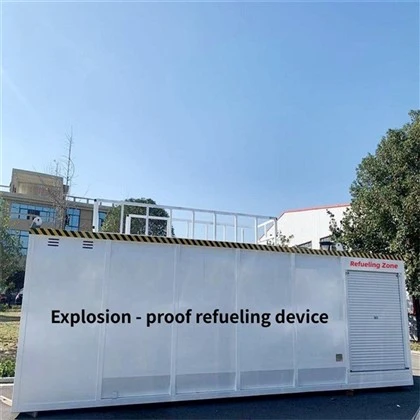
National Fire Protection Association (NFPA) 70: National Electrical Code, Article 500 (Class I Locations for Flammable Liquids, Gases, or Vapors)
U.S. Occupational Safety and Health Administration (OSHA): Electrical Safety – Explosion Proof Equipment Standards for Petroleum Facilities
Underwriters Laboratories (UL) Standard 60079-1: Explosive Atmospheres – Part 1: Equipment Protection by Flameproof Enclosures "d"
Mobile Fuel Station (Word count: 3,120)
Shandong Jingcai Industry and Trade Co., Ltd.
As one of the most professional explosion proof gas station manufacturers and suppliers in China, we also support customized service. With abundant experience, we warmly welcome you to wholesale high quality explosion proof gas station in stock here from our factory. Contact us for free sample.
Address: Caojiazhuang Village Industrial Park, Lingcheng Town, Qufu City, Jining City, Shandong Province.
E-mail: shandongjingcai888@gmail.com
WebSite: https://www.sdjingcaicn.com/
