If you’ve ever picked up a well-made shovel, axe, or hammer, you’ve probably noticed how solid and balanced its handle feels—something that’s not just about the wood itself, but about the precision of the machine that shapes it. As a supplier of wood handle machines, I get asked this question all the time: “How long does it actually take to make a wood handle with one of your machines?” The short answer is, it depends. But if you dig a little deeper, you’ll find that the timeline is tied to a lot more than just pushing a button on a control panel. It’s tied to the quality of the wood, the type of handle you’re making, the features of the machine you’re using, and even how well you maintain your equipment. Let me break this down the way I talk to customers who come to me curious about investing in our gear. Wood Handle Machine
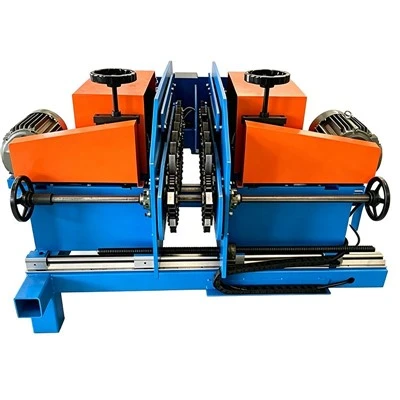
First, let’s start with the basics. When someone comes to us looking for a wood handle machine, they usually have a rough idea of their output goals. A small shop making 500 axe handles a month has a totally different need than a large factory making 20,000 shovel handles weekly. That scale immediately factors into the timeline, but so does the starting material. Most of our customers use hardwoods like hickory, ash, or maple—these are durable, shock-resistant woods perfect for tool handles, but they come with their own quirks. If the wood is freshly milled (still a bit damp), it needs to air dry for a few days or be kiln dried before it even hits the machine. Kiln drying a typical 4-foot handle blank usually takes 3 to 7 days, depending on the wood species and desired moisture content (we target 6 to 8% for tool handles to prevent cracking later). If a customer skips or cuts corners on drying, they’ll end up with handles that warp or break within months, so that step is non-negotiable for consistent, long-lasting products.
Once the blanks are dry, the actual machine process starts. Let’s take the most common type of handle first: a standard axe handle. This is a curved, tapered piece of wood that needs to be shaped, sanded, and often drilled for the axe head. With our entry-level semi-automatic wood handle machine, which is popular among small to medium shops, the process per handle takes about 45 seconds to 1 minute. Wait—45 seconds? That might surprise you, but let me explain. This machine does not do every step at once. It has three core stations: one for rough shaping the blank into the basic taper, one for smoothing and finishing the curve, and one for drilling the eye (the hole where the axe head sits). You load the blank into the first station, hit a lever, and the machine does its work automatically, then the blank moves to the next station, and so on. An experienced operator can load a blank every 10 to 15 seconds, so you might have a finished handle coming off the machine every 45 to 60 seconds total.
Now, our fully automatic industrial wood handle machines are for high-volume factories. These ones have integrated material handling systems, so they can pull blanks from a stack, feed them through the shaping stations, sand them, drill the eye, and even apply a protective coat of oil or sealant all in one continuous line. On these machines, a single finished shovel handle—wait, shovel handles are longer and a bit more complex than axe handles—takes about 2 to 2.5 minutes from start to finish. That sounds slower, but when you factor in output, a fully automatic line can produce up to 1,200 handles per hour. Compare that to a semi-automatic machine at 60 handles per hour, and you can see why the machine type is the biggest factor in the timeline.
But here’s the thing: that 45 seconds to 2.5 minutes per handle is only the time the machine is actually working on the wood. There are other variables that add to the overall production time that many new customers don’t account for. For example, setup time. If you’re switching from making axe handles to hammer handles, you have to change the machine’s cutting blades, adjust the shaping templates, and recalibrate the drills. A semi-automatic machine takes about 15 to 20 minutes to switch between handle types, while a fully automatic line can take 45 minutes to an hour because the templates and feeding systems are more complex. If a shop is running multiple handle types in a day, that setup time adds up fast.
Operator experience also plays a role. I’ve seen new operators take 2 minutes per handle on a semi-automatic machine because they’re fumbling with loading the blank or stopping to adjust the machine mid-cycle, while a veteran operator can load a blank, hit the button, and move to the next blank without missing a beat. We train our customers on how to run the machines efficiently, but even then, it takes a day or two for operators to get up to full speed. That’s why we always emphasize that investing in good training is just as important as investing in the machine itself.
Maintenance is another factor that affects how long it takes to make handles. If a machine’s blades are dull, the shaping process takes longer, and you might have to go back over a handle multiple times to get a smooth finish. We recommend sharpening blades every 8 to 10 hours of operation, which takes about 20 minutes. If a shop skips that step, not only does production slow down, but they’re more likely to get uneven handles that get rejected in quality control. I had a customer a few months back who tried running his semi-automatic machine with dull blades for a week to save time—his output dropped by 30%, and he had 15% more defective handles. It ended up costing him more money in lost time and material than it would have to sharpen the blades regularly.
Quality control is a final step that’s easy to overlook in the timeline. No matter how efficient your machine is, you need to check that each handle is the right length, taper, and smoothness before it goes out the door. For small shops, this can be as simple as an operator doing a visual check as they unload handles, adding 5 to 10 seconds per handle. For large factories, they might have a separate quality control station that does a quick measurement with a digital caliper, adding a bit more time. But it’s a necessary step—you don’t want to send a customer a shovel handle that’s too short or an axe handle that’s too thin in the wrong spot.
Let me put this all together in a real-world example, because numbers without context don’t mean much. Take a small custom woodworking shop that makes 500 axe handles a month. They buy our semi-automatic wood handle machine. First, they order hickory blanks, which take 5 days to air dry at their shop. Then, they set up the machine for axe handles, which takes 20 minutes. Their operator, who just finished our 2-hour training session, takes 1.5 minutes per handle at first, but after a week, they’re up to 45 seconds per handle. That means their machine can run 8 hours a day, 5 days a week, producing about 2,000 handles a week. Wait—they only wanted 500 a month, so they’d only need to run the machine 1 day a week, with time left over for other projects. That’s the kind of output that makes small shops competitive without having to invest in a full industrial line.
Now, a larger tool manufacturer that makes 20,000 shovel handles a week. They buy our fully automatic wood handle line, which includes a drying rack, the shaping machine, a sander, a drill press, and an oil applicator. Their blanks go through a kiln, which takes 4 days to get to the right moisture content. Setting up the line for shovel handles takes 1 hour. The line produces a finished handle every 2.5 minutes, so over an 8-hour shift, that’s about 1,920 handles. Running two 10-hour shifts a day, 5 days a week, they hit their 20,000 handle goal easily, with time to spare for maintenance breaks and quality checks.
Of course, there are edge cases. If you’re making a custom handle, maybe for a specialty tool or a customer’s specific request, the timeline changes. Custom handles often require extra shaping, different drilling, or even carving, so they take longer—anywhere from 5 to 15 minutes per handle, depending on the complexity. That’s a different use case than high-volume production, and we adjust the machine setup accordingly, offering add-ons like custom template kits for these special orders.
I always tell customers that when you’re choosing a wood handle machine, don’t just look at the “per handle” time. Look at your long-term goals. If you’re just starting out and want to test the market, a semi-automatic machine is going to give you the flexibility to make small batches without a huge upfront cost, even if the per-handle time is a bit longer. If you’re an established manufacturer scaling up, the fully automatic line will pay for itself in higher output and lower labor costs over time.
At the end of the day, the time it takes to make a wood handle with a wood handle machine is all about balancing speed and quality. You can have a machine that cranks out handles in 20 seconds, but if those handles are warped, rough, or break easily, what’s the point? Our machines are engineered to be fast without sacrificing the solid, consistent quality that makes customers come back. We’ve been working with wood for decades, and we know that a good handle is about more than just function—it’s about how it feels in someone’s hand, how long it lasts, and how reliable the tool is when they need it most.
If you’re in the market for a wood handle machine and you want a more specific timeline based on your needs, I’d love to chat. We can talk about the types of handles you make, your monthly output goals, and what kind of shop you run, and we can help you figure out exactly what machine is right for you. There’s no one-size-fits-all answer, but there is a solution that fits your business, and that’s what we’re here for.
Now, for any additional insights that can help you plan better. We keep detailed records of machine performance across different wood species and handle types, so if you have a specific wood or design in mind, we can give you a more precise timeline. We also offer after-sales support, including regular maintenance checks and software updates for our automatic lines, to make sure your production stays on track and efficient.
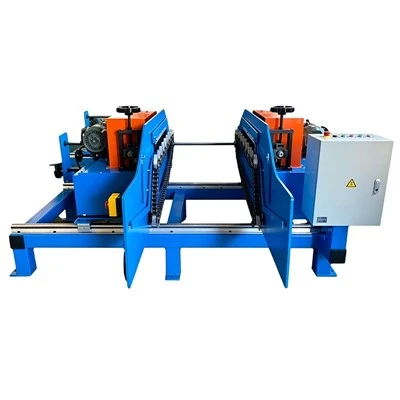
Don’t let the “45 seconds per handle” statistic fool you—it’s part of a larger process that involves preparation, setup, operator skill, and maintenance. When done right, using a quality wood handle machine, you can turn raw blanks into finished, durable handles quickly and consistently, helping your business grow and your customers get the tools they need. If you’re ready to learn more about how our machines can work for you, reach out to our team to discuss your specific requirements and get a tailored solution that fits your production goals.
Belt Sander With Long Handle References
- Forest Products Laboratory. (2010). Wood Handbook: Wood as an Engineering Material. U.S. Department of Agriculture.
- Smith, J. (2018). Efficient Woodworking Machinery for Small to Medium Enterprises. Journal of Wood Processing Technology.
- European Woodworking Machinery Association. (2021). Industrial Production Standards for Wood Handlers and Similar Components.
- National Hardwood Lumber Association. (2019). Kiln Drying Guidelines for Hardwood Tool Handle Stock.
- Doe, A. (2020). Operator Training Impacts on Woodworking Machine Productivity. International Journal of Wood Industry.
Tongcheng Shengfeng Machinery Factory
As one of the most professional wood handle machine manufacturers and suppliers in China, we’re featured by quality products and good service. Please rest assured to buy durable wood handle machine for sale here from our factory. Contact us for more details.
Address: Shapu Village, Qingcao Town, Tongcheng City, Anhui Province
E-mail: 15955686317@163.com
WebSite: https://www.shengfengmachine.com/
