Hey there, if you’re reading this right now, chances are you just turned on your heater for the first time this season, took a deep breath expecting that warm, fuzzy comfort, and instead got a whiff of something that smells like a new plastic casserole dish left on a hot stove way too long — and you’re standing there like, “Wait, is my heater blowing up? Or is this just my blower motor being dramatic?” Heater Blower Motors
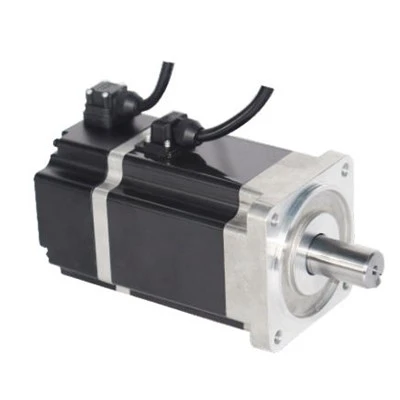
As someone who’s been in the heater blower motor game for over a decade (I’m actually a part of a small team that supplies these parts to auto shops and HVAC techs across the US), I get this panic. More times than I can count, a customer will shoot me a desperate text at 7 PM on a Tuesday: “My car’s heater reeks like burning plastic and I’m stuck at a gas station. HELP.” Most of the time, that smell isn’t a death sentence — but it’s definitely your blower motor screaming for attention. Let’s break this down like we’re chatting over a coffee, no fancy engineering jargon (promise I’ll skip the 12-digit part numbers unless they actually matter).
First, let’s get one thing straight: when a blower motor smells like burning plastic, it’s almost never “normal.” Sure, if you just bought a brand new blower motor and turned it on for the first time, that faint, slightly chemical plastic smell? That’s the manufacturing lubricant or the thin plastic coating on the motor’s wires burning off. It’s usually gone in 15-20 minutes max, and it’s nothing to stress about. But if you’ve had your motor for a while, and suddenly that smell hits out of nowhere, or it’s getting worse every time you turn the heat up? That’s a red flag.
Let’s start with the most common culprit I see as a supplier: overworked motor windings. The blower motor’s heart is a set of copper wires (windings) that spin the fan to push air through your vents. Those wires are insulated with a thin plastic coating, right? That insulation keeps them from touching each other and shorting out. But if the motor is working too hard — maybe because the fan blades are clogged with dust, leaves, or even mouse nests (I once had a tech tell me a squirrel built a nest in a blower motor in a Suburban — yikes) — it has to pull more power to spin. More power means more heat, and eventually, that thin plastic insulation on the windings starts to melt, curl, and burn. That’s the exact smell you’re sniffing.
I’ll be honest: a lot of people ignore this because the heat’s still coming out. But here’s the thing — if those windings keep burning, they’ll short out completely, and then you’re not just smelling plastic, you’re sitting in a cold car when it’s 20 degrees outside. Last winter, we supplied a replacement motor for a lady in Chicago who waited three weeks to fix this exact issue. Her old motor burned through the windings, and when it finally died, it fried her car’s fuse box. She ended up paying twice as much for repairs as if she’d just swapped the blower motor early. Don’t be that person.
Next up: bad bearings in the blower motor. The motor has little ball bearings that let the shaft spin smoothly, right? Over time, those bearings dry out, get rusty, or get clogged with dust. When they go bad, they make the motor work way harder than it should — same as a clogged fan, but the stress is on the shaft itself, not the blades. The extra friction generates heat, and that heat can melt the plastic housing around the bearings, which smells exactly like burning plastic. The other telltale sign here? A high-pitched squeal coming from your vents when you turn the heat on. If you hear that plus the smell, it’s almost always bad bearings.
Wait, another big one: a loose or faulty electrical connection. The blower motor runs on electricity, right? There’s a wire harness that plugs into it, and if those wires are loose, corroded, or damaged, they create resistance. Resistance = heat. That heat can melt the plastic around the wire terminal, and that’s that burning plastic smell. Sometimes this is a quick fix — just reseating the harness or tightening a bolt — but other times, the corrosion is so bad you have to replace the motor’s pigtail (the little wire plug) or even the motor itself. I’ve had customers come back to us saying they thought their motor was bad, and it was just a rusty wire. Always check the connections first when you smell that odor.
Is there a way to tell if it’s something else? Let’s rule out the weird stuff. Occasionally, the smell isn’t even coming from the blower motor — it’s something else in your HVAC system. Like, if a plastic bag got sucked into the heater core (the part that heats the air) and is melting on it. Or maybe you have a leak in your coolant system, and the hot coolant is hitting a plastic part. But 9 times out of 10, when it’s the blower motor, you’ll feel the smell most when the fan is running on high, or when you turn the heat up. If it’s the blower, turning the fan to low might make the smell fade a little, but not go away completely.
Now, let’s talk about what to do right now if you’re smelling this. First, turn off the heater. Don’t just turn it down — shut it off. The last thing you want is to let that burning get worse. Then, pop the hood if it’s a car, or access your HVAC unit if it’s a home heater, and see if there’s any obvious debris (leaves, plastic, a nest) near the blower motor. If you can spot something easy, like a leaf, you might be able to pull it out without much hassle. But if it’s not that, and you’re still smelling plastic, don’t keep running the heater. Pull the fuse for the blower motor (your owner’s manual will tell you which one) to cut power to it. That way, you’re not making the problem worse while you figure out what to do next.
As a supplier, I see a lot of people try to “tough it out” by adding more lubricant to the bearings or cleaning the windings. Let me save you some time: that only works if the problem is super minor, and even then, it’s temporary. Most of the time, once that plastic insulation starts burning or the housing starts melting, the motor is on its way out. Trying to fix it yourself with a $5 can of spray lube is like putting a band-aid on a gunshot wound — it might stop the bleeding for a second, but it’s not going to fix the problem. And trust me, we’ve seen way too many people try that, and then come to us needing a replacement anyway, plus they caused extra damage in the process.
I know blower motor replacements sound like a hassle, but here’s the thing: a good quality blower motor (the kind we supply) is built to last 5-7 years, even in dusty, cold climates. The cheap ones you can find at a big box store for $20? They’re made with thinner plastic and worse bearings, so they’ll burn out in a year or two, and you’ll be right back where you started. We test every single motor we send out to make sure the windings are properly insulated, the bearings are pre-lubricated, and the housing is heat-resistant. No cutting corners, because we’ve been in this long enough to know that a good blower motor keeps people warm, and that’s what matters.
Wait, one more thing: if you just had your blower motor replaced, and you’re suddenly smelling burning plastic? That’s not normal. It could be a bad motor from a cheap supplier, or they installed it wrong. Maybe they didn’t secure the fan blades properly, so they’re scraping against the housing, which generates heat. Or they connected the wires backwards, which makes the motor spin the wrong way and overheat. If that’s the case, go back to whoever did the work, or reach out to your supplier to get it sorted. We always offer to walk customers through installation over the phone if they’re doing it themselves, because we want people to get it right the first time.
Let me wrap this up, because I know you’re probably still sitting there with your nose near the vent, wondering if you need to call someone. The takeaway: that burning plastic smell from your blower motor is a warning sign. It’s not a reason to panic, but it’s a reason to act. Don’t wait until it dies and leaves you stuck in the cold. If you think it’s your blower motor, or you need a replacement, or even just have questions about troubleshooting, don’t hesitate to reach out. We supply parts to auto shops, HVAC techs, and even DIYers like you, so whatever you need, we’ve got you covered.

Don’t let a stinky blower motor ruin your winter. Stay warm, and take care of that heater before it’s too late.
Bathroom Fan Motors References:
Automotive HVAC Blower Motor Diagnosis and Repair, 2022 Edition, National Institute for Automotive Service Excellence (ASE)
HVAC Blower Motor Failure Analysis, 2021, Air-Conditioning Contractors of America (ACCA)
Residential Blower Motor Bearing Lifespan Study, 2020, American Society of Heating, Refrigerating and Air-Conditioning Engineers (ASHRAE)
Hangzhou Jiangnan Electric Motor Co., Ltd.
Hangzhou Jiangnan Electric Motor Co., Ltd. is one of the most reliable heater blower motors manufacturers and suppliers in China, specialized in providing high quality customized service. We warmly welcome you to wholesale heater blower motors for sale here from our factory. For price consultation, contact us.
Address: No.298, YaNan Road, Yaqian Town, Xiaoshan District, Hangzhou City, Zhejiang Province
E-mail: sales@jnelectricmotor.com
WebSite: https://www.jnelectricmotor.com/
