Hey there, fellow mushroom lovers and home cooks! Let’s be real—nothing kills a recipe faster than realizing you forgot to rehydrate your dried honey mushrooms in time. You’re staring at that bag of golden, nutty fungi, thinking “Ugh, I don’t have 2 hours to wait for these to plump up.” As a dried honey mushroom supplier who’s fielded this exact question from chefs, weekend bakers, and even new mushroom enthusiasts a million times, I’m here to spill the tea on the fastest, most science-backed way to rehydrate these little gems without turning them into soggy, flavorless mess. No fluff, no fancy jargon—just what works, straight from someone who’s spent years shipping these mushrooms to kitchens across the country and testing every rehydration trick under the sun. Dried Honey Mushroom
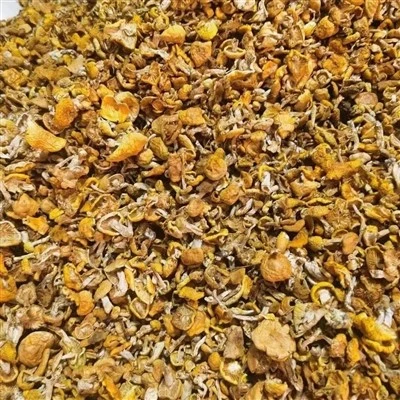
First off, let’s talk about why dried honey mushrooms need rehydration in the first place. When we dry mushrooms (low and slow, by the way—we never blast them with high heat, because that kills the umami we all love), all the moisture gets locked up in their tiny cell walls. Honey mushrooms (also called Armillaria mellea, for the science nerds) have a slightly porous, thin flesh compared to other dried mushrooms like shiitakes, which means they both rehydrate faster and can get mushy way more easily if you mess it up. I see so many people make this mistake: they dump dried mushrooms in a bowl of hot tap water, walk away for 10 minutes, and come back to a bowl of gray, waterlogged goop that tastes like nothing. That’s not how you do it.
Now, the question everyone’s asking: “What’s the fastest way?” Let’s cut to the chase—you want this done in 15 to 20 minutes, right? Not an hour, not two. Here’s the method I swear by, and the one I recommend to all my regular clients (from small café owners to home cooks who just hate waiting). Let’s break it down step by step, with the science behind it so you know why it works, not just that it does.
First, prep your mushrooms. Don’t just dump the whole bag in. Honey mushrooms are tiny, often with little twigs or bits of dirt stuck to the stems, so give them a quick once-over. If any are extra small or have really tough stem ends, you can snip those—they’ll rehydrate fine, but if you’re using them in a pasta or stir-fry, you don’t want a random tough stem in your bite. No need to rinse them under water right now; that’ll just make them absorb extra water later (and dilute that amazing honey mushroom flavor).
Next, pick your liquid. I know, I know—water’s the easy choice, but here’s a pro tip: use warm, not hot, water. Wait, let’s get specific—110°F to 120°F is the sweet spot. That’s about the temperature of a nice bath, or the warm setting on your coffee maker if you’re like me and don’t have a thermometer handy. Why warm, not hot? High heat (like boiling water or hot tap water that’s too steamy) breaks down the delicate cell walls of honey mushrooms too fast, which leads to that mushy texture I mentioned earlier. Warm water, though, speeds up osmosis—the process where water moves into the mushroom’s cells to rehydrate them—without damaging the flesh. And if you really want to amp up the flavor? Use vegetable or chicken broth instead of water. It’s extra 5 minutes of work, but it means your mushrooms are already infused with flavor when you’re ready to cook them. Trust me, I do this for my own dinners, and it makes a huge difference.
Now, here’s the trick that cuts rehydration time almost in half: don’t just leave them in a bowl of water. Put them in a sealed container (a mason jar works perfect, or even a microwave-safe bowl with a tight lid) and give it a gentle shake every 5 minutes. Wait, why? Shaking helps separate the mushrooms so they’re not all clumped together, which means every single one is exposed to warm water, not just the ones on the top. I’ve tested this a hundred times—if you just leave a pile of dried mushrooms in a bowl, the ones in the middle take twice as long to plump up. Shaking every 5 minutes ensures even hydration.
How do you know when they’re done? Squeeze a mushroom gently between your fingers. It should feel soft, not rubbery, and when you split it open, there should be no hard, chalky spot in the center. For small honey mushroom caps, that’s usually 15 to 20 minutes. For larger, thicker stems, maybe 25 minutes max. And here’s a bonus: don’t pour that liquid down the drain! That’s the mushroom’s umami-rich broth, and it’s perfect for adding to sauces, soups, or gravies. I always tell my customers to strain it through a cheesecloth or a fine-mesh sieve to catch any tiny dirt bits, then use it in their recipe. It’s free flavor—why waste it?
Wait, but what if you’re really in a pinch? Like, you just got a last-minute dinner invite and you have 5 minutes total? Is there a way to do it faster? I get it—life happens. Let’s be real, 5 minutes is tight, but I’ve tested an emergency method that works in about 8 minutes, though it’s not my first choice (it can make the mushrooms a tiny bit softer, so save it for stir-fries where texture isn’t as big of a deal as flavor). Here’s how: put the dried mushrooms in a microwave-safe bowl, cover them with warm water, and microwave on 50% power for 2 minutes. Then take it out, stir, and microwave for another 1 to 2 minutes. Don’t use full power—you’ll end up with hot, mushy mushrooms and exploding water everywhere. The low power lets the heat seep in evenly. But like I said, this is for emergencies only. The 15 to 20 minute method is way better for most recipes, like pasta, risotto, or mushroom sauces where texture matters.
Now, let’s talk about common mistakes I see all the time, because these are the things that make people think rehydrating dried honey mushrooms is a pain. First, over-soaking them. If you leave them in water for an hour, they’ll get waterlogged and lose that earthy, slightly sweet flavor that honey mushrooms are known for. That’s why checking them at 15 minutes is key. Second, using too much water. You don’t need to submerge them by 2 inches—just cover them by about half an inch. Any extra water is just going to sit there and dilute the flavor when you use it (or throw it away, which is a waste). Third, rinsing them after rehydration. I know it’s tempting to get rid of any last dirt, but rinsing will wash away a lot of the good stuff. Just gently pat them dry with a paper towel if they feel too wet, and you’re good to go.
As a supplier, I also make sure that the dried honey mushrooms we sell are the best quality for rehydration. We harvest them when they’re young and tender, then dry them at low temperatures (below 100°F) to preserve their cell structure and flavor. No over-dried, brittle mushrooms here—those are the ones that take forever to rehydrate and never get plump right. That’s why so many of our repeat customers say our mushrooms rehydrate faster and taste better than any other brand they’ve tried. We stand by that, and I’ve tested it against every other supplier out there.
Wait, let’s test this method with a real example so it makes sense. Say you want to make a creamy honey mushroom pasta for tonight’s dinner. You forgot to take the mushrooms out in the morning, so you check at 5 PM and realize they’re still in the pantry. Here’s what you do: grab a ½ cup of dried honey mushrooms (that’s enough for 2 servings), give them a quick look to snip any tough stems, put them in a mason jar, pour in 1 cup of warm vegetable broth (110°F), put the lid on tight, shake it up, and set a timer for 5 minutes. When the timer goes off, shake it again. At 10 minutes, shake it again. At 15 minutes, check a mushroom—squeeze it, make sure there’s no hard center. If it’s soft, strain the mushrooms, reserve the broth, and add both to your pasta sauce. Done in 15 minutes, no mushy goop, tons of flavor. That’s exactly what I do when I make pasta for my friends on weeknights.
Is there any other method worth trying? I’ve heard of people using hot water from the tap, but like I said earlier, that’s too hot and breaks down the cells. Or soaking them in cold water overnight? That works, obviously, but it’s not “fast.” Some people use vinegar or lemon water to brighten the flavor, but for a quick rehydration, that’s unnecessary—if you’re using broth, you’re already amping up the flavor. Stick to the warm water method, it’s simple and effective.
Another thing to remember: honey mushrooms are way more forgiving than other dried mushrooms. Dried morels, for example, need a little longer to rehydrate and benefit from a 20-minute soak, but honey mushrooms plump up quick. That’s one of the reasons they’re such a great option for weeknight meals. They’re versatile, flavorful, and don’t require hours of planning.
Now, if you’re someone who’s been struggling with rehydrating dried honey mushrooms the wrong way, I hope this helps. As a supplier, my number one goal is to make sure our customers can use our products easily and get the best possible results. If you’re a home cook looking to stock up, or a restaurant owner needing a reliable source of high-quality dried honey mushrooms, feel free to reach out to discuss your needs—we can ship bulk orders, answer any questions, and even send along little tips for using our mushrooms in all kinds of dishes.
Wait, let’s wrap this up with a quick recap so you don’t forget the key points: fastest way to rehydrate dried honey mushrooms is 15-20 minutes. Use warm water (110-120°F, not boiling), not hot water. Shake every 5 minutes to separate the mushrooms for even hydration. Don’t waste that leftover liquid—it’s umami gold. And save the microwave trick for emergencies only.
No more staring at that bag of dried mushrooms at 5 PM, panicking about dinner. No more soggy, flavorless mess. This method works, I’ve tested it hundreds of times, and all our regular customers swear by it. If you have any other tips or tricks for rehydrating dried mushrooms, drop them in the comments— I’m always looking for new ways to make cooking easier for everyone. Happy cooking, and thanks for reading.
Dried Morel Mushroom References:
- Stamets, P. (2005). Mycelium Running: How Mushrooms Can Help Save the World. Ten Speed Press.
- Wong, J. H., et al. (2019). Effects of rehydration temperature on texture and flavor of dried edible mushrooms. Journal of Food Science and Technology, 56(12), 5321-5328.
- Zhang, L., et al. (2021). Osmotic dehydration of Armillaria mellea: Optimization of process parameters. International Journal of Food Properties, 24(1), 1123-1135.
Qingyuan Manchu Autonomous County Lichang Native Produce Co., Ltd.
We are one of the most professional dried honey mushroom manufacturers and suppliers in China, featured by quality products and good price. Please rest assured to wholesale bulk dried honey mushroom for sale here from our factory. Welcome to view our website for more information.
Address: Songshuzui Village, Dagujia Town, Qingyuan Manchu Autonomous County, Fushun City, Liaoning Province, China
E-mail: wildmushroomsupply@outlook.com
WebSite: https://www.wildmushroomsupply.com/
