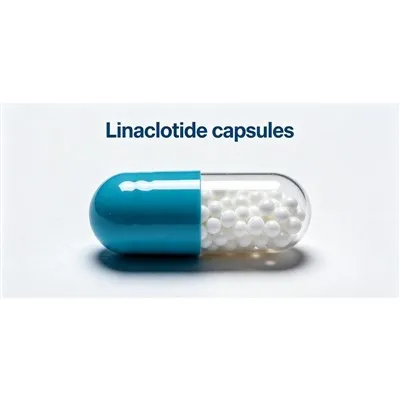
As a supplier of digestive system agents, I’ve spent a significant amount of time exploring how these agents interact with food. This process is not only fascinating from a scientific perspective but also crucial for understanding how we can improve digestive health. In this blog, I’ll delve into the intricate relationship between digestive system agents and food, shedding light on the mechanisms at play and the implications for our well – being. Digestive System Agents
The Basics of the Digestive System
Before we dive into the interaction between digestive system agents and food, it’s essential to have a basic understanding of the digestive system itself. The digestive system is a complex network of organs that work together to break down food into nutrients that can be absorbed and used by the body. It starts from the mouth and includes the esophagus, stomach, small intestine, large intestine, and accessory organs such as the liver, gallbladder, and pancreas.
When we eat food, the process of digestion begins in the mouth. Chewing breaks the food into smaller pieces, and saliva, which contains enzymes like amylase, starts to break down carbohydrates. Once the food is swallowed, it travels down the esophagus and into the stomach. The stomach is a muscular organ that churns the food and mixes it with gastric juices, which include hydrochloric acid and pepsin. Hydrochloric acid creates an acidic environment that helps to kill bacteria and activates pepsin, an enzyme that breaks down proteins.
From the stomach, the partially digested food moves into the small intestine. Here, the pancreas secretes pancreatic juices, which contain enzymes such as lipase, amylase, and proteases. Lipase breaks down fats, amylase continues to break down carbohydrates, and proteases further break down proteins. The liver produces bile, which is stored in the gallbladder and released into the small intestine to emulsify fats, making them easier to digest.
The small intestine is also where most of the nutrient absorption takes place. The inner surface of the small intestine is lined with finger – like projections called villi, which increase the surface area for absorption. Nutrients such as carbohydrates, proteins, fats, vitamins, and minerals are absorbed through the villi and into the bloodstream.
The remaining undigested food then moves into the large intestine, where water is absorbed, and the waste is formed into feces, which are eventually excreted from the body.
Role of Digestive System Agents
Digestive system agents play a vital role in this complex process. These agents can be enzymes, probiotics, prebiotics, or other substances that help to enhance digestion.
Enzymes
Enzymes are proteins that act as catalysts in chemical reactions. In the digestive system, enzymes speed up the breakdown of food into smaller molecules. For example, amylase breaks down starches into simple sugars, protease breaks down proteins into amino acids, and lipase breaks down fats into fatty acids and glycerol.
Our bodies produce some enzymes naturally, but sometimes, we may not produce enough of them. This can be due to factors such as age, diet, or certain medical conditions. In such cases, digestive enzyme supplements can be used to help improve digestion. For instance, people with lactose intolerance lack the enzyme lactase, which is needed to break down lactose, the sugar found in milk. Taking a lactase supplement can help them digest dairy products more easily.
When digestive enzymes interact with food, they bind to specific substrates (the molecules they act on). For example, amylase binds to starch molecules. Once bound, the enzyme catalyzes a chemical reaction that breaks the substrate into smaller products. This process is highly specific, and each enzyme has a particular substrate that it can act on.
Probiotics
Probiotics are live microorganisms that provide health benefits when consumed in adequate amounts. They are often referred to as "good bacteria" because they help to maintain a healthy balance of microorganisms in the gut.
The gut microbiota, which consists of trillions of bacteria, fungi, and other microorganisms, plays a crucial role in digestion. Probiotics can help to improve the function of the gut microbiota by competing with harmful bacteria for resources, producing beneficial substances such as short – chain fatty acids, and enhancing the immune system.
When probiotics interact with food, they can ferment certain components of the food, especially dietary fibers. This fermentation process produces short – chain fatty acids, which have several health benefits. For example, butyrate, a type of short – chain fatty acid, is the primary energy source for the cells lining the colon and helps to maintain the integrity of the gut barrier.
Prebiotics
Prebiotics are non – digestible food ingredients that serve as food for probiotics. They are typically dietary fibers, such as inulin, fructooligosaccharides, and galactooligosaccharides.
Prebiotics pass through the upper digestive tract largely undigested and reach the colon, where they are fermented by the gut microbiota. By providing a source of food for probiotics, prebiotics help to promote the growth and activity of beneficial bacteria in the gut.
When prebiotics interact with food, they can modify the composition of the gut microbiota and enhance its function. For example, they can increase the production of short – chain fatty acids, which, as mentioned earlier, have beneficial effects on the gut and overall health.
Interaction of Digestive System Agents with Different Types of Food
Carbohydrates
Carbohydrates are one of the main sources of energy for the body. When we consume carbohydrates, they are first broken down by amylase in the mouth and then further broken down by pancreatic amylase in the small intestine.
Digestive enzyme supplements containing amylase can enhance the breakdown of complex carbohydrates, such as starches, into simple sugars. Probiotics can also play a role in carbohydrate digestion. Some probiotic strains can ferment certain types of carbohydrates, such as resistant starches, which are not fully digested in the small intestine. This fermentation process can produce short – chain fatty acids and help to improve gut health.
Proteins
Proteins are essential for the growth, repair, and maintenance of body tissues. The digestion of proteins begins in the stomach with the action of pepsin and continues in the small intestine with the action of pancreatic proteases.
Digestive enzyme supplements containing proteases can help to improve protein digestion, especially in people who have difficulty digesting proteins due to factors such as low stomach acid or pancreatic insufficiency. Probiotics can also contribute to protein digestion by producing enzymes that can break down proteins and by modulating the immune response in the gut, which can affect protein absorption.
Fats
Fats are an important part of our diet, providing energy and helping to absorb fat – soluble vitamins. The digestion of fats starts in the small intestine, where bile emulsifies the fats, making them easier to break down by lipase.
Digestive enzyme supplements containing lipase can enhance fat digestion, especially in people with conditions such as pancreatic insufficiency or gallbladder problems. Probiotics can also play a role in fat metabolism. Some probiotic strains can affect the absorption of fats and the production of hormones that regulate appetite and fat storage.
Implications for Health and Well – being
Understanding how digestive system agents interact with food has significant implications for our health and well – being. By improving digestion, we can enhance nutrient absorption, which is essential for maintaining optimal health.
Proper digestion can also help to prevent digestive problems such as bloating, gas, constipation, and diarrhea. For example, taking digestive enzyme supplements can help to alleviate symptoms of indigestion, while consuming probiotics and prebiotics can help to maintain a healthy gut microbiota and prevent gut – related diseases.
In addition, a healthy digestive system is linked to a strong immune system. The gut microbiota plays a crucial role in the development and function of the immune system, and by promoting a healthy gut microbiota through the use of digestive system agents, we can enhance our immune response and reduce the risk of infections and other diseases.
Conclusion
In conclusion, the interaction between digestive system agents and food is a complex and fascinating process. Enzymes, probiotics, and prebiotics all play important roles in breaking down food, enhancing nutrient absorption, and maintaining a healthy gut microbiota.
As a supplier of digestive system agents, I am committed to providing high – quality products that can help people improve their digestive health. Whether you are looking for digestive enzyme supplements, probiotics, or prebiotics, our products are designed to meet your needs.
Nervous System Agents If you are interested in learning more about our digestive system agents or would like to discuss potential procurement, please feel free to reach out. We are more than happy to have a detailed discussion with you and find the best solutions for your requirements.
References
- Guyton, A. C., & Hall, J. E. (2016). Textbook of Medical Physiology. Elsevier.
- Salminen, S., Gueimonde, M., & Ouwehand, A. C. (Eds.). (2005). Probiotics: Properties and Health Benefits. CRC Press.
- Davidson, M. B., & Maki, K. C. (2018). Nutrition in Clinical Practice. McGraw – Hill Education.
HK Neopharm Limited
HK Neopharm Limited is one of the most professional digestive system agents manufacturers and suppliers in China, also supports customized service. Welcome to buy high quality digestive system agents in stock here and get quotation from our factory. For price consultation, contact us.
Address: Room W Unit 6086/f Metro Loft 38kwai Hei St Kwai Chung, Hong Kong
E-mail: sales@hkneopharm.com
WebSite: https://www.hkneopharm.com/
