If you’re like most of the families and small toy shop owners I chat with, you’ve got a pile of floor puzzles taking up way too much space in your playroom, storage closet, or back stock area. I’m a floor puzzles supplier, and I’ve seen firsthand how messy storage can turn a $15 puzzle into a lost toy, a ripped box, or a set of pieces scattered all over the living room rug. A few years back, I was shipping puzzles out without giving much thought to how customers would store them once they got their order. Then I started getting texts: “Where do I keep 12 big dinosaur puzzles for my daycare?” or “My kids lose half the pieces because I can’t find the lid to the unicorn box.” That’s when I dug into what actually works, not just the fancy organizational hacks you see on Pinterest, but stuff that’s practical for big sets, little ones, and people who don’t have a lot of extra space. Floor Puzzles
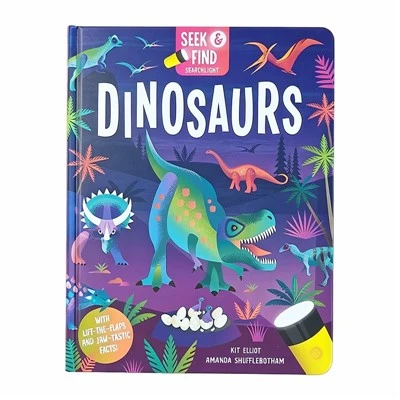
First, let’s talk about the biggest mistake people make with floor puzzles: leaving them in the original cardboard boxes. I get it, the boxes have the cool art, you can label them on the front, and they’re free. But here’s the thing—cardboard gets flimsy if it’s in a damp basement or a hot attic, especially if you’re stacking 5 or 6 boxes high. Kids also tend to yank boxes around, and the corners tear open, sending puzzle pieces all over the place. I’ve had customers tell me they lost an entire underwater puzzle because the box split in their trunk on the way home. So if you’ve got multiple floor puzzles, ditching the original boxes (or at least reusing them smartly) is step one. But how?
Let’s break this down by how many puzzles you’ve got and what space you’re working with. If you’re a parent with 3 to 5 puzzles, or a small shop with 10 or less, you don’t need a whole warehouse setup. For smaller quantities, clear plastic storage bins are your best bet. I tell everyone I sell puzzles to, “Skip the opaque bins—you want to see what’s inside without digging through 3 different ones.” Now, not all clear bins are created equal. Go for the ones with tight-fitting lids, not the cheap flimsy ones that snap after a few uses. I recommend the 10-gallon or 25-gallon size, depending on how big your puzzles are. Most floor puzzles are 2 feet by 3 feet or bigger, so a bin that’s at least 24 inches long and 36 inches wide works. Wait a second—you don’t want to just dump the whole puzzle into the bin. Here’s the hack: after your kid finishes a puzzle, take it apart, but don’t mix the pieces with other puzzles. Put all the pieces from one puzzle into a small, resealable plastic bag. Label the bag with the puzzle’s name and the number of pieces (most floor puzzles have 24, 48, or 100 pieces, so that’s easy). Then tuck that bag into the bin. Why keep pieces separate? If you mix a fire truck puzzle with a zoo puzzle, you’ll end up with a fire wheel that has a zebra stripe and no one’s happy. Also, bagging the pieces keeps them from getting crumbs or dust on them, which is a lifesaver for families with little snack lovers.
Wait, what if you don’t have space for big bins? Maybe your playroom is only a corner, or you’re storing puzzles in a kids’ closet. Vertical storage is the way to go here. I’ve seen people use magazine racks, but not the thin ones—you need a wide, sturdy rack that can hold the size of floor puzzles. Or, even simpler, use a foam board or a thick cardboard panel, and slide the completed (and kept together) puzzles upright into a bookshelf or between bed frames. Oh, right—if you leave a puzzle assembled, it’s way easier to store and grab, but you have to make sure it doesn’t get crushed. If you’re going to store assembled puzzles, use puzzle saver sheets. Those are the clear sticky sheets you lay over the completed puzzle, then roll it up? No, wait—wait, no, actually the puzzle saver boards are the rigid ones, or the adhesive sheets that hold all the pieces in place so you can stand it up. I tried rolling a big dinosaur puzzle once, and the pieces cracked because of the curve. So for larger puzzles, don’t roll them. Use the flat sheets, and store them upright like a book on a shelf. That’s way gentler on the pieces.
Now, if you’re a supplier like me, or a daycare that has 20, 30, even 50 floor puzzles, you’ve got a way bigger storage problem. I work with a few daycares that order 50 puzzles a year, and they used to have them all stacked on shelves in the back, getting dusty and mixed up. What we’ve helped them set up is a combination of shelf organization and labeled bins, but with a system that makes grabbing a puzzle fast. First, invest in heavy-duty metal shelves, not plastic ones—metal can hold way more weight, and it’s more durable for a busy space. Then, sort your puzzles by age or theme. Like, keep all the 24-piece toddler puzzles on the bottom shelf, 48-piece kid puzzles in the middle, and 100-piece pre-teen ones on the top. Or sort by theme: animals, vehicles, fairy tales, space. Whatever makes sense for how you’ll use them. Then, use color-coded bin lids. For example, all animal puzzles go in blue bins, vehicles in red, so you can spot the one you want in 2 seconds instead of rummaging through. I also tell my bulk order customers to print custom labels—just a simple sticker on the front of each bin that says “48-Piece Safari Puzzle,” so even a new staff member can find what they need.
One thing I hear a lot is, “But my puzzles have big cardboard boxes—can’t I just keep those?” Yeah, you can, but only if you modify them. If you want to reuse boxes, reinforce the bottom with packing tape, because cardboard boxes split easily when you pile them. And label each box clearly on the side, not just the top. That way, when you stack 3 boxes high, you can read the label without pulling each one out. I also recommend storing boxes on their sides, not flat. If you stack them flat, the top boxes will crush the lids of the bottom ones, and the puzzle inside will get bent. On their sides, the weight is spread out, and you can see the label easily. I’ve seen this work for small shop owners who don’t want to spend money on bins—just modify their existing boxes with tape and labels, and stack them neatly.
Another big thing to consider is environmental factors. Puzzles are made of cardboard and paper, right? So if you store them in a damp basement or a hot garage, the cardboard will warp, and the pieces will get moldy. I’ve had a customer send me a photo of a puzzle that got stored in a garage over the summer, and the pieces were all swollen—they couldn’t fit back together. Yikes. So make sure your storage space is cool and dry, around 60 to 70 degrees Fahrenheit, with low humidity. If you have to store puzzles in a damp space, put them on pallets, not directly on the floor, so air can circulate underneath. And avoid attics that get super hot in the summer—cardboard can melt a little at high temps, and the adhesive holding the pieces together will come loose.
What about lost pieces? That’s the biggest headache, right? I used to think, “Just count the pieces when you get a puzzle,” but no—even with careful storage, pieces go missing. So if you’ve got multiple puzzles, keep a small, labeled “lost puzzle pieces” bin. Any time you find a random puzzle piece that doesn’t match, throw it in that bin. If you finish a puzzle and a piece is missing, check the lost bin first. I’ve had customers find a unicorn puzzle piece that had been missing for 6 months in their lost bin—turns out it got stuck in a toy box all that time. Also, when you pack pieces after finishing a puzzle, make sure the bag is sealed tight. I use thick ziplock bags, not the thin ones that tear easily. I’ve also seen people use small fabric drawstring bags—they’re reusable, and you can label them with a permanent marker, so no more flimsy bag breaks.
Wait, let’s talk about rolling puzzles—some people swear by it, some say it’s bad. For smaller puzzles, like 24-piece ones, rolling them with a piece of cardboard in the middle is okay, as long as you don’t roll too tight. But for puzzles larger than 3 feet, rolling can cause cracks in the cardboard, especially if you roll it around a small tube. I tested this with a 48-piece space puzzle a while back: rolled it around a toilet paper tube, and when I unrolled it, 3 pieces were cracked right along the fold. So flat storage is better for larger puzzles. If you do roll a smaller one, make sure you wrap it in a piece of bubble wrap first, and store it in a bin upright, not on its side.
Now, let’s talk about what not to do. Don’t store puzzles under a bed where they’ll get stepped on or covered with dust. Don’t mix pieces from different puzzles—this is the fastest way to ruin a good puzzle. Don’t use opaque bins if you can avoid it; clear bins let you see what’s inside without digging. And don’t overstuff bins—if a bin is so full you can’t close the lid, you’re going to tear it, and pieces will fall out. I’ve made that mistake myself with a bin of 10 puzzles—overstuffed it, and when I carried it, 2 puzzle bags fell out all over the hallway. Not fun.
If you’re a parent trying to keep the playroom tidy, or a daycare owner needing to keep dozens of puzzles organized, or even a collector who’s got a big set of limited-edition floor puzzles, these tips work. The key is to match your storage to your space and how many puzzles you have. Small space? Go for vertical storage and clear bins. Big space? Metal shelves and labeled color-coded bins. Reuse boxes if you want to save money, but reinforce them. And always keep pieces separate in sealed bags so nothing gets lost or mixed up.
As a floor puzzles supplier, I’ve helped hundreds of customers work through their storage headaches, and the number one thing they ask for is a system that’s easy for kids to use too. Because if your 5-year-old can’t put a puzzle away properly, the whole organization thing falls apart. So when you set up your storage, make sure the bins are easy for little hands to open, and the labels are big enough for kids to read. That way, even your 3-year-old can put their dinosaur puzzle in the right bin, no help needed.
If you’re looking for durable, high-quality floor puzzles that are easy to store (or want to restock your shop’s inventory), feel free to reach out to us for a customized quote. We can help you pick the right puzzle sizes for your space and even share more storage hacks tailored to your needs.
Floor Puzzles References
- Consumer Product Safety Commission. (2022). Toy Storage and Organization Guide for Families.
- National Toy Association. (2021). Best Practices for Storable Children’s Puzzles.
- Storage Magazine. (2023). Vertical and Horizontal Storage Solutions for Large Game and Puzzle Sets.
- Toy Industry Journal. (2022). Bulk Inventory Management for Small Retailers and Daycares.
NINGBO LOTO PACKAGE MANUFACTORY CO.,LTD
Ningbo Sentu Art and Crafts Co., Ltd. is one of the most professional floor puzzles manufacturers and suppliers in China. With abundant experience, we warmly welcome you to buy high quality floor puzzles made in China here from our factory. If you have any enquiry about cooperation, please feel free to email us.
Address: 3rd Floor, Momi Community, New Jinfeng, No.68, Chunchao Road, Yinzhou District, Ningbo City, Zhejiang Province, Ningbo, Zhejiang, China
E-mail: sales@nbprinting.com
WebSite: https://www.lotopuzzle.net/
