As a supplier of milling inserts, I’ve had the privilege of working closely with these essential cutting tools in the machining industry. While milling inserts offer numerous advantages, it’s crucial to be aware of their disadvantages. This knowledge not only helps our customers make informed decisions but also allows us to provide better solutions to mitigate these issues. Milling Inserts
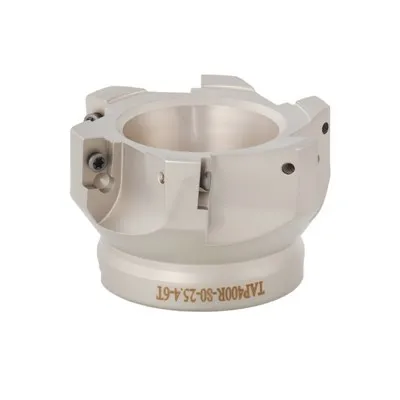
High Initial Cost
One of the most significant drawbacks of milling inserts is their relatively high initial cost. High – quality milling inserts are often made from advanced materials such as carbide, ceramic, or cubic boron nitride (CBN). These materials are expensive to produce, as they require specialized manufacturing processes and high – grade raw materials.
For example, carbide inserts are made by sintering tungsten carbide particles with a binder metal, usually cobalt. The process involves high – temperature and high – pressure conditions, which add to the production cost. Ceramic inserts, on the other hand, are made from alumina or silicon nitride, which are difficult to machine and require precise control during manufacturing.
This high cost can be a deterrent for small – scale manufacturers or those on a tight budget. They may find it challenging to invest in a large quantity of milling inserts, especially when they are just starting out or have limited cash flow. As a supplier, we understand this concern and often work with our customers to find cost – effective solutions. We may offer bulk purchase discounts or suggest alternative insert grades that can provide similar performance at a lower cost.
Limited Tool Life
Milling inserts have a limited tool life, which means they need to be replaced periodically. The tool life of an insert is affected by several factors, including the cutting conditions, the material being machined, and the insert’s geometry.
When cutting hard materials such as stainless steel or titanium, the inserts are subjected to high levels of heat and wear. The heat can cause the insert’s coating to break down, leading to increased friction and wear. Additionally, the hard particles in the workpiece can cause abrasion on the insert’s cutting edge, reducing its sharpness and effectiveness.
The cutting parameters, such as cutting speed, feed rate, and depth of cut, also play a crucial role in determining the tool life. If the cutting speed is too high, the insert may overheat and wear out quickly. Similarly, if the feed rate is too high, the insert may experience excessive forces, leading to chipping or breakage.
As a supplier, we provide our customers with detailed guidelines on the optimal cutting parameters for different materials and insert grades. We also offer tool life monitoring services to help our customers predict when the inserts need to be replaced, reducing downtime and improving productivity.
Complex Selection Process
Selecting the right milling insert for a specific application can be a complex process. There are numerous factors to consider, including the material being machined, the cutting operation (e.g., face milling, end milling, slotting), the machine tool, and the desired surface finish.
Different materials require different insert grades and geometries. For example, when machining aluminum, a sharp – edged insert with a high rake angle is often preferred to reduce cutting forces and prevent built – up edge. In contrast, when machining hardened steel, a tough insert with a low rake angle and a wear – resistant coating is more suitable.
The cutting operation also affects the insert selection. Face milling requires inserts with a large cutting edge length to cover a wide area, while end milling requires inserts with a smaller diameter and a more precise cutting edge.
Moreover, the machine tool’s capabilities, such as spindle speed, power, and rigidity, need to be taken into account. If the machine tool is not powerful enough, using a large – sized insert or a high – cutting – speed insert may cause the machine to stall or vibrate, affecting the quality of the machining.
As a supplier, we have a team of experts who can assist our customers in selecting the right milling inserts. We conduct in – depth consultations to understand our customers’ specific needs and provide them with customized solutions.
Sensitivity to Cutting Conditions
Milling inserts are highly sensitive to cutting conditions. Even small changes in the cutting parameters or the workpiece material can have a significant impact on the insert’s performance.
For instance, a slight increase in the cutting speed can cause the insert to overheat, leading to premature wear and reduced tool life. Similarly, a change in the workpiece material’s hardness or composition can affect the insert’s cutting ability. If the material contains hard inclusions, the insert may experience chipping or breakage.
Vibration is another factor that can affect the performance of milling inserts. Excessive vibration can cause the insert to chatter, resulting in a poor surface finish and increased wear. Vibration can be caused by various factors, such as an unbalanced tool, a worn machine tool, or improper cutting parameters.
To address these issues, we recommend that our customers carefully monitor the cutting conditions and make adjustments as needed. We also offer vibration – damping solutions and high – precision tool holders to minimize the impact of vibration on the inserts.
Coating Delamination
Many milling inserts are coated with materials such as titanium nitride (TiN), titanium carbonitride (TiCN), or aluminum oxide (Al₂O₃) to improve their wear resistance and performance. However, coating delamination can be a problem.
Coating delamination occurs when the coating separates from the insert substrate. This can be caused by several factors, including poor adhesion between the coating and the substrate, high cutting temperatures, and excessive mechanical stress.
When the coating delaminates, the insert loses its wear – resistant properties, leading to increased friction and wear. This can result in a shorter tool life and a poor surface finish on the workpiece.
As a supplier, we work with our coating partners to ensure the quality of the coatings on our inserts. We also provide our customers with information on the proper handling and use of coated inserts to minimize the risk of coating delamination.
Recycling Challenges
Milling inserts, especially those made from carbide, present recycling challenges. Carbide inserts contain valuable metals such as tungsten and cobalt, but the recycling process is complex and expensive.
The recycling of carbide inserts involves several steps, including crushing, chemical treatment, and re – sintering. These processes require specialized equipment and expertise, and they can be time – consuming and costly.
In addition, the presence of coatings on the inserts can make the recycling process even more difficult. The coatings need to be removed before the inserts can be recycled, and this requires additional chemical treatment.
As a responsible supplier, we are committed to promoting the recycling of milling inserts. We work with recycling companies to develop more efficient and cost – effective recycling methods. We also encourage our customers to return their used inserts to us for recycling.
In conclusion, while milling inserts offer many benefits in the machining industry, they also have several disadvantages. However, as a supplier, we are dedicated to helping our customers overcome these challenges. By providing high – quality products, expert advice, and customized solutions, we aim to make the use of milling inserts as efficient and cost – effective as possible.
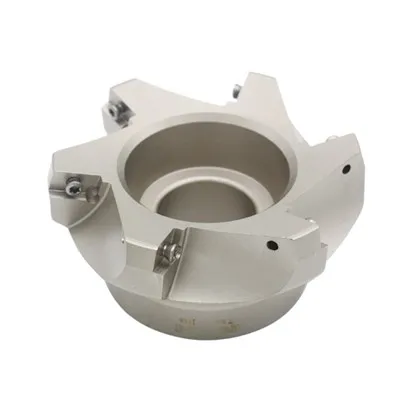
If you are interested in learning more about our milling inserts or have any questions regarding their application, we invite you to contact us for a procurement discussion. Our team of experts is ready to assist you in finding the best solutions for your machining needs.
Spade Drill References:
- "Cutting Tool Engineering Handbook", Society of Manufacturing Engineers
- "Machining Technology: Theory and Practice", by G. Boothroyd, W. A. Knight, and J. P. Lyons
- "Carbide Tool Technology", by R. A. Ernst and T. A. Merchant
Small Craftsman (Shandong) Machine & Tools Co., Ltd.
Small Craftsman (Shandong) Machine & Tools Co., Ltd. is one of the most experienced milling inserts manufacturers and suppliers in China, also supports customized service with low price. Please feel free to buy bulk high quality milling inserts in stock here from our factory. Contact us for pricelist.
Address: No.9 Quanxin Rd., Sishui Economic Developing Zone, Jining, Shandong, China.
E-mail: 6196@ocutchina.com
WebSite: https://www.ocutooling.com/
