When it comes to sound insulation materials, one crucial aspect that often gets overlooked is their fire ratings. As a supplier of sound insulation materials, I understand the importance of providing not only effective sound – proofing solutions but also ensuring the safety of our customers. In this blog, I’ll delve into the fire ratings of various sound insulation materials to help you make informed decisions for your projects. Sound Insulation Materials
Understanding Fire Ratings
Before we discuss specific materials, it’s essential to understand what fire ratings mean. Fire ratings are standardized measurements that indicate a material’s ability to resist fire. In most countries, these ratings are determined through a series of tests that evaluate factors such as flame spread, heat release, and smoke generation. The most common fire rating systems are the ASTM E84 in the United States and the Euroclass system in Europe.
The ASTM E84 test, also known as the Steiner Tunnel Test, measures the surface burning characteristics of building materials. Materials are classified into three main categories: Class A, Class B, and Class C. Class A materials have a low flame spread and are the most fire – resistant, with a flame spread index of 0 – 25. Class B materials have a moderate flame spread, with an index of 26 – 75, while Class C materials have a higher flame spread, with an index of 76 – 200.
The Euroclass system is more comprehensive and classifies materials from A1 (non – combustible) to F (highly combustible). It also takes into account other factors such as heat release rate and smoke production.
Fire Ratings of Common Sound Insulation Materials
Fiberglass Insulation
Fiberglass is one of the most widely used sound insulation materials. It is made from fine glass fibers and is known for its excellent sound – absorbing properties. In terms of fire ratings, fiberglass insulation typically falls into the Class A category under the ASTM E84 standard. This is because glass is a non – combustible material, and fiberglass insulation is treated with fire – retardant chemicals during the manufacturing process.
Under the Euroclass system, fiberglass insulation is often classified as A1 or A2, indicating that it is non – combustible or has very low flammability. This makes it a safe choice for applications where fire safety is a concern, such as in commercial buildings, hospitals, and schools.
Mineral Wool Insulation
Mineral wool, which includes rock wool and slag wool, is another popular sound insulation material. It is made from natural minerals or industrial waste products and has good sound – absorption and fire – resistance properties.
Mineral wool insulation usually has a Class A fire rating according to the ASTM E84 test. Similar to fiberglass, it is non – combustible and can withstand high temperatures without catching fire. In the Euroclass system, it is commonly classified as A1, making it an ideal choice for fire – rated partitions and fire – stopping applications.
Polyurethane Foam
Polyurethane foam is a versatile sound insulation material that offers excellent sound – blocking capabilities. However, its fire performance can vary depending on the type of foam and the additives used.
Traditional polyurethane foam is highly combustible and has a poor fire rating. It can burn quickly and release toxic smoke when exposed to fire. To improve its fire resistance, manufacturers often add fire – retardant chemicals to the foam. When treated with these additives, polyurethane foam can achieve a Class B or Class C fire rating under the ASTM E84 standard.
In the Euroclass system, treated polyurethane foam can be classified as B, C, or D, depending on the level of fire – retardant treatment. It’s important to note that even with fire – retardant additives, polyurethane foam should be used with caution in areas where fire safety is critical.
Acoustic Panels
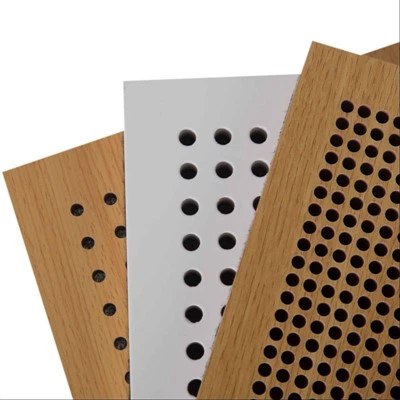
Acoustic panels are used to improve the sound quality in rooms by absorbing sound waves. They can be made from a variety of materials, including fiberglass, mineral wool, and wood.
Fiberglass and mineral wool acoustic panels typically have a Class A fire rating, as mentioned earlier. Wood acoustic panels, on the other hand, have a more variable fire rating. Untreated wood is combustible and has a relatively high flame spread. However, if the wood is treated with fire – retardant chemicals, it can achieve a Class B or Class C fire rating.
In the Euroclass system, treated wood acoustic panels can be classified as B, C, or D, while untreated wood is usually classified as F.
Mass – Loaded Vinyl
Mass – loaded vinyl (MLV) is a dense, flexible material that is used for soundproofing. It is made from a combination of vinyl and fillers, such as barium sulfate.
MLV typically has a Class A fire rating under the ASTM E84 standard. It is non – combustible and does not contribute to the spread of fire. In the Euroclass system, it is often classified as A2, indicating low flammability. This makes MLV a suitable choice for applications where both sound insulation and fire safety are required, such as in theaters and recording studios.
Factors Affecting Fire Ratings
Several factors can affect the fire ratings of sound insulation materials. These include:
Thickness
In general, thicker materials tend to have better fire resistance. This is because a thicker layer can provide more insulation and slow down the spread of fire. For example, a thicker fiberglass insulation panel will have a lower flame spread index than a thinner one.
Density
Denser materials also tend to have better fire performance. A higher density means that there are more fibers or particles per unit volume, which can help to reduce the spread of flames and heat. For instance, a high – density mineral wool insulation will be more fire – resistant than a low – density one.
Additives
As mentioned earlier, fire – retardant additives can significantly improve the fire ratings of sound insulation materials. These additives work by releasing chemicals that inhibit the combustion process. However, the effectiveness of these additives can vary depending on the type and amount used.
Importance of Fire Ratings in Sound Insulation Projects
Fire ratings are not just a technical detail; they are crucial for the safety of your building and its occupants. In many countries, building codes require the use of fire – rated materials in certain areas, such as stairwells, corridors, and fire – rated partitions.
Using sound insulation materials with appropriate fire ratings can help to prevent the spread of fire and reduce the risk of property damage and injury. It can also ensure that your building meets the necessary safety standards and passes inspections.
Choosing the Right Sound Insulation Material Based on Fire Ratings
When choosing sound insulation materials for your project, it’s important to consider both the sound – proofing requirements and the fire ratings. Here are some tips to help you make the right choice:
Evaluate the Fire Risk
Assess the fire risk of the area where the sound insulation will be installed. For high – risk areas, such as kitchens, boiler rooms, and electrical rooms, choose materials with a high fire rating, such as Class A or A1.
Check the Building Codes
Make sure that the sound insulation materials you choose comply with the local building codes. These codes specify the minimum fire ratings required for different types of buildings and applications.
Consider the Cost
Fire – rated sound insulation materials may be more expensive than non – fire – rated ones. However, the cost of fire – prevention and safety is well worth it. Compare the prices of different materials and choose the one that offers the best balance between performance and cost.
Conclusion
As a supplier of sound insulation materials, I am committed to providing our customers with high – quality products that not only offer excellent sound – proofing but also meet the highest safety standards. Understanding the fire ratings of various sound insulation materials is essential for making informed decisions for your projects.
Sound-absorbing Materials Whether you are working on a commercial building, a residential property, or an industrial facility, choosing the right sound insulation material with appropriate fire ratings can help to ensure the safety and comfort of your building. If you have any questions about the fire ratings of our sound insulation materials or need help choosing the right product for your project, please don’t hesitate to contact us. We are here to assist you in finding the best sound insulation solution that meets your needs and budget.
References
- ASTM International. (2017). Standard Test Method for Surface Burning Characteristics of Building Materials (ASTM E84).
- European Committee for Standardization. (2007). Classification of construction products according to their reaction to fire (EN 13501 – 1).
Guangzhou MQ Acoustic Materials Co., Ltd.
Guangzhou MQ Acoustic Materials Co., Ltd. is one of the most professional sound insulation materials manufacturers and suppliers in China, featured by quality products and low price. Welcome to buy CE approved sound insulation materials in stock here and get quotation from our factory. We also accept customized orders.
Address: Room D403, KeZhu Business Building, ZhuJi Road, TianHe District, GuangZhou, China
E-mail: Lizzy@mq-acoustics.com
WebSite: https://www.acoustic-projects.com/
