Hey there! As a supplier of welding robots, I’ve seen firsthand how these machines can revolutionize the welding process. But like any piece of equipment, their performance can be affected by a whole bunch of factors. In this blog, I’m gonna break down the key things that can influence how well a welding robot does its job. Welding Robot
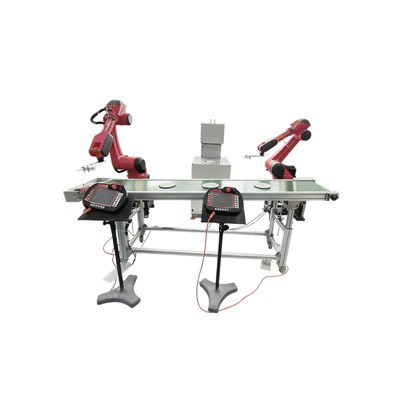
1. Robot Design and Build Quality
Let’s start with the basics – the design and build quality of the welding robot. A well – designed robot is gonna have a solid structure that can handle the rigors of continuous welding. If the robot’s frame is flimsy or not properly engineered, it can lead to vibrations during operation. These vibrations can cause the welding torch to move erratically, resulting in poor weld quality.
For example, a robot with a weak base might start to wobble when it’s moving at high speeds. This can throw off the accuracy of the weld, leading to uneven bead widths and inconsistent penetration. On the other hand, a robot with a robust and stable design can maintain precise movements, ensuring that each weld is done right.
The build quality also includes the quality of the components used. High – quality motors, gears, and controllers are essential for smooth and accurate operation. Cheaper components might save you some money upfront, but they’re more likely to break down or cause performance issues in the long run.
2. Welding Torch and Consumables
The welding torch is like the business end of the robot. Its quality and condition can have a huge impact on the welding performance. A worn – out or damaged torch can cause problems like poor arc stability, inconsistent wire feeding, and uneven heat distribution.
For instance, if the contact tip in the torch is worn, it can cause the welding wire to feed unevenly. This can lead to spatter, which not only looks bad but can also weaken the weld. And if the torch is not properly cooled, it can overheat, affecting the quality of the weld and potentially damaging the torch itself.
Consumables like welding wire and shielding gas also play a crucial role. The type and quality of the welding wire can affect the strength and appearance of the weld. Different metals require different types of welding wire, and using the wrong one can result in a weak or defective weld. Shielding gas is used to protect the weld from atmospheric contamination. If the gas flow rate is incorrect or the gas quality is poor, it can lead to porosity in the weld, making it less strong.
3. Programming and Software
The programming of the welding robot is another major factor. A well – programmed robot can perform complex welding tasks with high precision. But if the programming is off, the robot might not move to the right positions or perform the welds correctly.
Modern welding robots come with advanced software that allows for easy programming. However, it still requires skilled operators to set up the programs correctly. The software needs to take into account factors like the shape and size of the workpiece, the type of weld required, and the welding parameters.
For example, if the robot is programmed to weld a curved surface, the software needs to calculate the correct path and speed to ensure a smooth and consistent weld. If the programming is not accurate, the robot might miss parts of the joint or create uneven welds.
4. Workpiece Preparation
Proper workpiece preparation is often overlooked but is crucial for good welding performance. The surface of the workpiece needs to be clean and free of dirt, rust, and oil. If there are contaminants on the surface, they can affect the arc stability and the quality of the weld.
For example, if there’s rust on the workpiece, it can cause the weld to have inclusions, which are small pockets of impurities in the weld. These inclusions can weaken the weld and make it more prone to cracking. Also, the edges of the workpiece need to be properly beveled and aligned. If the edges are not beveled correctly, the weld might not penetrate deeply enough, resulting in a weak joint.
5. Environmental Conditions
The environment in which the welding robot operates can also have a big impact on its performance. Temperature, humidity, and air quality can all affect the welding process.
In a hot environment, the robot’s components might overheat, which can lead to malfunctions. High humidity can cause the welding wire to rust, affecting its feeding and the quality of the weld. And if there’s a lot of dust or fumes in the air, it can contaminate the weld and cause problems with the arc.
For example, in a factory with poor ventilation, the fumes from the welding process can build up. These fumes can not only be harmful to the operators but can also affect the performance of the robot. The fumes can get into the robot’s sensors and controllers, causing them to malfunction.
6. Operator Skill and Training
Last but not least, the skill and training of the operator are vital. Even the best – designed welding robot won’t perform well if the operator doesn’t know how to use it properly.
A skilled operator can set up the robot correctly, adjust the welding parameters, and troubleshoot any problems that arise. They need to understand the welding process, the capabilities of the robot, and how to read and interpret the data from the robot’s sensors.
For example, an experienced operator can quickly identify if there’s a problem with the wire feeding or the arc stability and take the necessary steps to fix it. On the other hand, an inexperienced operator might not notice these issues or might make incorrect adjustments, leading to poor welding performance.
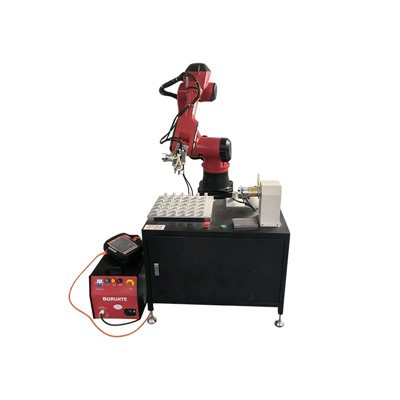
So, there you have it – the main factors that can affect the performance of a welding robot. If you’re in the market for a welding robot and want to ensure top – notch performance, it’s important to consider all these factors. Whether it’s the design of the robot, the quality of the consumables, or the skill of the operator, every aspect plays a role in how well the robot will work.
Delta Robot If you’re interested in learning more about our welding robots or want to discuss your specific needs, feel free to reach out. We’re here to help you find the perfect solution for your welding requirements.
References
- AWS Welding Handbook, Volume 1: Welding Science and Technology. American Welding Society.
- Robotics for Manufacturing: Programming, Simulation, and Applications. David A. Dornfeld, et al.
- Welding Metallurgy and Weldability of Stainless Steels. John C. Lippold, David J. Kotecki.
Dongguan Chuanglida Intelligent Equipments Co., Ltd.
As one of the most professional welding robot manufacturers and suppliers in China, we also support customized service. Please feel free to buy discount welding robot in stock here from our factory. For price consultation, contact us.
Address: Room 201, Building 2, No. 61, Shachang 1st Road, Dalang Town, Dongguan City, Guangdong Province
E-mail: haoguangli001@outlook.com
WebSite: https://www.boruntestech.com/
