As a seasoned supplier of piston pumps, I’ve witnessed firsthand the diverse applications and critical roles these pumps play across numerous industries. One of the most frequently asked questions I encounter is about the pressure range of piston pumps. In this blog, I’ll delve into the intricacies of piston pump pressure ranges, exploring the factors that influence them and the implications for various applications. Piston Pumps
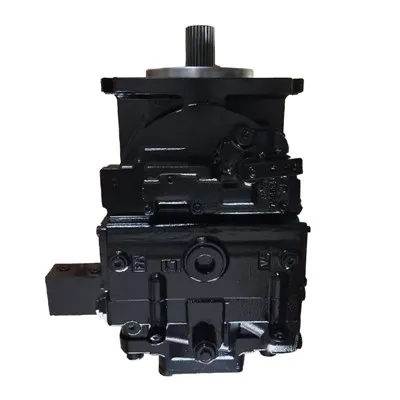
Understanding Piston Pumps
Before we dive into the pressure range, let’s briefly understand what piston pumps are. Piston pumps are positive displacement pumps that use reciprocating pistons to move fluid through a system. They are known for their high efficiency, reliability, and ability to handle a wide range of fluids, including viscous and abrasive materials.
Piston pumps work on a simple principle: as the piston moves back and forth within a cylinder, it creates a vacuum on the intake stroke, drawing fluid into the cylinder. On the discharge stroke, the piston compresses the fluid, forcing it out of the cylinder and into the system. This process is repeated continuously, providing a steady flow of fluid at a regulated pressure.
Pressure Range of Piston Pumps
The pressure range of piston pumps can vary significantly depending on several factors, including the design of the pump, the materials used, and the intended application. Generally, piston pumps can operate at pressures ranging from a few hundred pounds per square inch (psi) to several thousand psi.
Low-Pressure Piston Pumps
Low-pressure piston pumps typically operate at pressures below 1,000 psi. These pumps are commonly used in applications where a relatively low pressure is required, such as in domestic water supply systems, small-scale irrigation, and some industrial processes. Low-pressure piston pumps are often designed for simplicity and cost-effectiveness, making them a popular choice for these types of applications.
Medium-Pressure Piston Pumps
Medium-pressure piston pumps operate at pressures between 1,000 and 5,000 psi. These pumps are widely used in a variety of industrial applications, including hydraulic systems, high-pressure cleaning, and some chemical processing. Medium-pressure piston pumps offer a good balance between performance and cost, making them suitable for a wide range of applications.
High-Pressure Piston Pumps
High-pressure piston pumps can operate at pressures above 5,000 psi, and in some cases, they can reach pressures of up to 10,000 psi or more. These pumps are typically used in applications where extremely high pressures are required, such as in oil and gas exploration, waterjet cutting, and high-pressure testing. High-pressure piston pumps are designed to withstand the extreme forces generated at these pressures and are often made from high-strength materials to ensure durability and reliability.
Factors Influencing the Pressure Range
Several factors can influence the pressure range of a piston pump. Understanding these factors is crucial for selecting the right pump for your application.
Pump Design
The design of the piston pump plays a significant role in determining its pressure range. Factors such as the size and shape of the piston, the number of pistons, and the type of valve system used can all affect the pump’s ability to generate and maintain pressure. For example, pumps with larger pistons and more pistons generally have a higher pressure capacity.
Material Selection
The materials used in the construction of the piston pump can also impact its pressure range. High-pressure applications require pumps made from high-strength materials, such as stainless steel or alloy steel, to withstand the extreme forces generated at high pressures. Additionally, the seals and gaskets used in the pump must be able to withstand the pressure and the fluid being pumped to prevent leaks.
Fluid Properties
The properties of the fluid being pumped can also affect the pressure range of the piston pump. Viscous fluids require more energy to pump and may limit the pump’s pressure capacity. Abrasive fluids can cause wear and tear on the pump components, reducing its efficiency and lifespan. It’s important to consider the fluid properties when selecting a piston pump to ensure optimal performance.
Operating Conditions
The operating conditions, such as temperature and altitude, can also influence the pressure range of the piston pump. High temperatures can cause the fluid to expand, increasing the pressure in the system. Altitude can affect the atmospheric pressure, which can impact the pump’s performance. It’s important to take these factors into account when operating a piston pump to ensure safe and efficient operation.
Applications of Piston Pumps in Different Pressure Ranges
Piston pumps are used in a wide range of applications across various industries, each with its own specific pressure requirements. Here are some examples of how piston pumps are used in different pressure ranges:
Low-Pressure Applications
- Domestic Water Supply: Piston pumps are commonly used in domestic water supply systems to provide a steady flow of water at a low pressure. These pumps are often used in rural areas where there is no access to a municipal water supply.
- Small-Scale Irrigation: Low-pressure piston pumps are used in small-scale irrigation systems to deliver water to crops. These pumps are typically powered by electricity or gasoline and can provide a reliable and cost-effective solution for watering small fields or gardens.
- Industrial Cleaning: Piston pumps are used in industrial cleaning applications to provide a high-pressure stream of water for cleaning surfaces and equipment. These pumps are often used in manufacturing plants, food processing facilities, and other industrial settings.
Medium-Pressure Applications
- Hydraulic Systems: Piston pumps are widely used in hydraulic systems to provide the power needed to operate hydraulic cylinders and other hydraulic components. These pumps are used in a variety of applications, including construction equipment, agricultural machinery, and industrial machinery.
- High-Pressure Cleaning: Medium-pressure piston pumps are used in high-pressure cleaning applications to remove dirt, grease, and other contaminants from surfaces. These pumps are often used in automotive workshops, car washes, and other industrial settings.
- Chemical Processing: Piston pumps are used in chemical processing applications to transfer chemicals and other fluids at a controlled pressure. These pumps are often used in the pharmaceutical, food and beverage, and chemical industries.
High-Pressure Applications
- Oil and Gas Exploration: Piston pumps are used in oil and gas exploration to provide the high pressure needed to drill wells and extract oil and gas from the ground. These pumps are often used in offshore drilling platforms and onshore oil fields.
- Waterjet Cutting: High-pressure piston pumps are used in waterjet cutting applications to provide a high-pressure stream of water for cutting materials such as metal, stone, and glass. These pumps are often used in the manufacturing, aerospace, and automotive industries.
- High-Pressure Testing: Piston pumps are used in high-pressure testing applications to test the strength and integrity of materials and components. These pumps are often used in the aerospace, automotive, and manufacturing industries.
Choosing the Right Piston Pump for Your Application
Selecting the right piston pump for your application is crucial to ensure optimal performance and efficiency. Here are some factors to consider when choosing a piston pump:
Pressure Requirements
The first step in choosing a piston pump is to determine the pressure requirements of your application. Consider the maximum pressure needed and the flow rate required to meet your application’s needs. Make sure to choose a pump that can handle the pressure and flow rate requirements of your application.
Fluid Properties
The properties of the fluid being pumped, such as viscosity, temperature, and chemical composition, can also affect the performance of the piston pump. Make sure to choose a pump that is compatible with the fluid being pumped and can handle the specific properties of the fluid.
Operating Conditions
The operating conditions, such as temperature, altitude, and environmental conditions, can also impact the performance of the piston pump. Make sure to choose a pump that is designed to operate in the specific operating conditions of your application.
Maintenance and Service

Piston pumps require regular maintenance and service to ensure optimal performance and longevity. Make sure to choose a pump that is easy to maintain and service and that comes with a reliable warranty and support from the manufacturer.
Conclusion
Control Valve In conclusion, the pressure range of a piston pump can vary significantly depending on several factors, including the design of the pump, the materials used, and the intended application. Understanding the pressure range of piston pumps and the factors that influence it is crucial for selecting the right pump for your application. As a supplier of piston pumps, I’m committed to providing high-quality pumps that meet the specific needs of our customers. If you have any questions or need assistance in choosing the right piston pump for your application, please don’t hesitate to contact us. We’ll be happy to help you find the perfect solution for your needs.
References
- Pump Handbook, 4th Edition, by Igor J. Karassik, Joseph P. Messina, Paul Cooper, and Charles C. Heald.
- Hydraulic Pumps and Motors: Fundamentals, Applications, and Design, by Heinz P. Bloch and Fred K. Geitner.
- Positive Displacement Pumps: Selection and Application, by Heinz P. Bloch and Fred K. Geitner.
Hangzhou Pinxin Hydraulic Technology Co., Ltd.
We’re well-known as one of the leading piston pumps manufacturers and suppliers in China. Please rest assured to wholesale custom made piston pumps from our factory. Contact us for more cheap products.
Address: No. 133 Hezhong Road, Hezhuang Street, Qiantang District, Hangzhou City, Zhejiang Province
E-mail: lulu@pxhyds.com
WebSite: https://www.pinxinhd.com/
