Hey there! I’m a supplier of alloy cutting tools, and I’ve been in this game for quite a while. One of the most common questions I get from customers is how to ensure the cutting quality of alloy cutting tools. Well, I’m here to share some tips and tricks that I’ve picked up over the years. Alloy Cutting Tools

First off, let’s talk about the importance of choosing the right alloy cutting tool. Not all cutting tools are created equal, and different alloys are better suited for different applications. For example, if you’re cutting hard materials like stainless steel or titanium, you’ll want a tool made from a high-speed steel or carbide alloy. These alloys are known for their hardness and wear resistance, which means they can handle the tough cutting conditions without dulling or breaking.
On the other hand, if you’re cutting softer materials like aluminum or brass, you can get away with using a less expensive tool made from a lower-grade alloy. These tools are still effective, but they may not last as long as the higher-end options.
Once you’ve chosen the right tool for the job, it’s important to make sure it’s properly maintained. This means keeping the tool clean and sharp, and replacing it when it starts to wear out. A dull tool can cause a lot of problems, including poor cutting quality, increased tool wear, and even damage to the workpiece.
To keep your tool sharp, you’ll need to use a sharpening stone or a sharpening machine. Make sure you follow the manufacturer’s instructions for sharpening the tool, and use the right type of abrasive for the alloy. For example, if you’re sharpening a carbide tool, you’ll need to use a diamond abrasive.
In addition to keeping the tool sharp, you’ll also need to make sure it’s properly lubricated. Lubrication helps to reduce friction and heat, which can extend the life of the tool and improve the cutting quality. There are a variety of lubricants available, including cutting fluids, oils, and greases. Make sure you choose the right lubricant for the application, and apply it according to the manufacturer’s instructions.
Another important factor to consider when ensuring the cutting quality of alloy cutting tools is the cutting parameters. This includes things like the cutting speed, feed rate, and depth of cut. These parameters can have a big impact on the cutting quality, so it’s important to choose the right values for the application.
The cutting speed is the speed at which the tool moves through the workpiece. A higher cutting speed can result in faster cutting times, but it can also increase the tool wear and reduce the cutting quality. On the other hand, a lower cutting speed can result in slower cutting times, but it can also improve the cutting quality and extend the life of the tool.
The feed rate is the rate at which the tool moves along the workpiece. A higher feed rate can result in faster cutting times, but it can also increase the tool wear and reduce the cutting quality. On the other hand, a lower feed rate can result in slower cutting times, but it can also improve the cutting quality and extend the life of the tool.
The depth of cut is the amount of material that is removed from the workpiece in each pass. A deeper depth of cut can result in faster cutting times, but it can also increase the tool wear and reduce the cutting quality. On the other hand, a shallower depth of cut can result in slower cutting times, but it can also improve the cutting quality and extend the life of the tool.
Finally, it’s important to pay attention to the cutting environment. This includes things like the temperature, humidity, and the presence of contaminants. These factors can have a big impact on the cutting quality, so it’s important to make sure the cutting environment is as clean and stable as possible.
For example, if the cutting environment is too hot, the tool can overheat and become damaged. On the other hand, if the cutting environment is too cold, the tool can become brittle and break. Similarly, if the cutting environment is too humid, the tool can rust and corrode.
In conclusion, ensuring the cutting quality of alloy cutting tools requires a combination of choosing the right tool, proper maintenance, the right cutting parameters, and a clean and stable cutting environment. By following these tips and tricks, you can improve the cutting quality, extend the life of the tool, and save money in the long run.
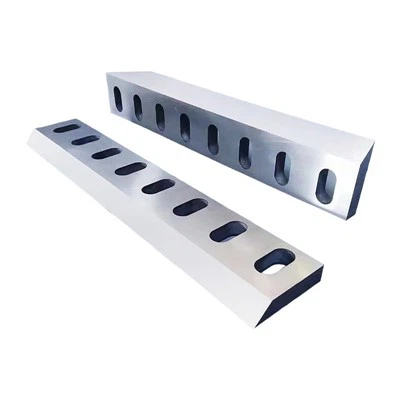
If you’re interested in learning more about alloy cutting tools or have any questions about our products, please don’t hesitate to contact us. We’d be happy to help you find the right tool for your application and provide you with any support you need.
Knife Mold References:
- "Cutting Tool Engineering Handbook" by Robert L. Bates
- "Machining Fundamentals" by Peter H. Nachtman
- "Manufacturing Processes for Engineering Materials" by Serope Kalpakjian and Steven R. Schmid
Ganzhou Big Brother Cutting Tools Co., Ltd
We’re well-known as one of the leading alloy cutting tools manufacturers and suppliers in China. Please feel free to wholesale high quality alloy cutting tools made in China here from our factory. Contact us for more details.
Address: No. 8 Lvyuan Avenue, Xinfeng County, Ganzhou City, Jiangxi Province
E-mail: tool@dxdtools.com
WebSite: https://www.dxdtools.com/
