Hey there, fellow welding enthusiasts! I’m a supplier of MIG welding machines, and I’ve heard a lot of you struggling with getting that perfect arc start. It’s a common headache, but don’t worry—I’m here to share some tips and tricks to improve the arc starting performance of your MIG welding machine. MIG Welding Machine

Understanding the Basics of Arc Starting
First things first, let’s talk about what arc starting is all about. When you press the trigger on your MIG welding gun, you’re essentially trying to create an electrical arc between the welding wire and the workpiece. This arc generates the heat needed to melt the wire and the base metal, allowing them to fuse together.
The key to a good arc start is to get the right balance of current, voltage, and wire feed speed. If any of these factors are off, you might end up with a poor arc start, which can lead to issues like spatter, porosity, and uneven welds.
Factors Affecting Arc Starting Performance
There are several factors that can affect the arc starting performance of your MIG welding machine. Let’s take a closer look at each of them:
1. Welding Wire
The type and diameter of the welding wire you use can have a big impact on arc starting. Different wires have different electrical conductivity and melting points, which can affect how easily the arc is established. For example, solid wires are generally easier to start than flux-cored wires because they have a more consistent electrical conductivity.
The diameter of the wire also matters. Thicker wires require more current to start the arc, so if you’re using a thick wire with a low-power welding machine, you might have trouble getting the arc going. On the other hand, using a wire that’s too thin can also cause problems, as it might not be able to carry enough current to maintain a stable arc.
2. Welding Current and Voltage
The welding current and voltage settings are crucial for a good arc start. If the current is too low, the arc might not be able to penetrate the workpiece, resulting in a weak or unstable arc. On the other hand, if the current is too high, you might end up with excessive spatter and a rough weld bead.
The voltage setting also plays a role in arc starting. A higher voltage can help to create a more stable arc, but it can also increase the amount of spatter. Finding the right balance between current and voltage is key to achieving a good arc start.
3. Wire Feed Speed
The wire feed speed determines how fast the welding wire is fed into the arc. If the wire feed speed is too slow, the arc might go out, and if it’s too fast, you might end up with a pile-up of molten metal at the weld joint.
It’s important to set the wire feed speed correctly based on the type and diameter of the welding wire, as well as the welding current and voltage settings. Most MIG welding machines have a wire feed speed control knob that allows you to adjust the speed to suit your needs.
4. Gas Shielding
Gas shielding is used to protect the weld pool from atmospheric contamination, which can cause porosity and other defects in the weld. The type and flow rate of the shielding gas can also affect the arc starting performance.
For example, using a gas with a high argon content can help to create a more stable arc, while a gas with a high carbon dioxide content can increase the penetration of the weld. It’s important to choose the right shielding gas for your application and to set the flow rate correctly to ensure a good arc start.
5. Welding Gun and Contact Tip
The welding gun and contact tip are also important factors in arc starting. A worn or damaged contact tip can cause problems with the electrical connection between the welding wire and the power source, resulting in a poor arc start.
It’s important to regularly inspect and replace the contact tip to ensure a good electrical connection. You should also make sure that the welding gun is properly grounded and that the cable is in good condition.
Tips for Improving Arc Starting Performance
Now that we’ve covered the factors that can affect arc starting performance, let’s talk about some tips for improving it:
1. Choose the Right Welding Wire
As I mentioned earlier, the type and diameter of the welding wire can have a big impact on arc starting. Make sure you choose a wire that is suitable for your application and that is compatible with your welding machine.
If you’re not sure which wire to use, consult the manufacturer’s recommendations or talk to a welding expert. They can help you choose the right wire based on the type of metal you’re welding, the thickness of the workpiece, and the welding process you’re using.
2. Set the Correct Welding Current and Voltage
Finding the right balance between current and voltage is key to achieving a good arc start. Start by setting the current and voltage to the recommended values for the type and diameter of the welding wire you’re using.
You can then make small adjustments to the settings based on the results of your test welds. If the arc is too weak or unstable, increase the current or voltage. If there is too much spatter, decrease the current or voltage.
3. Adjust the Wire Feed Speed
The wire feed speed should be set based on the type and diameter of the welding wire, as well as the welding current and voltage settings. Start by setting the wire feed speed to the recommended value for the wire you’re using.
You can then make small adjustments to the speed based on the results of your test welds. If the arc is going out, increase the wire feed speed. If there is a pile-up of molten metal at the weld joint, decrease the wire feed speed.
4. Use the Right Shielding Gas
The type and flow rate of the shielding gas can also affect the arc starting performance. Make sure you choose the right shielding gas for your application and that you set the flow rate correctly.
For most MIG welding applications, a mixture of argon and carbon dioxide is recommended. The exact ratio of argon to carbon dioxide will depend on the type of metal you’re welding and the welding process you’re using.
5. Maintain Your Welding Equipment
Regular maintenance of your welding equipment is essential for good arc starting performance. Make sure you clean the welding gun and contact tip regularly to remove any dirt or debris that might affect the electrical connection.
You should also inspect the welding cable for any signs of damage or wear and replace it if necessary. A damaged cable can cause problems with the electrical connection and can result in a poor arc start.
Conclusion
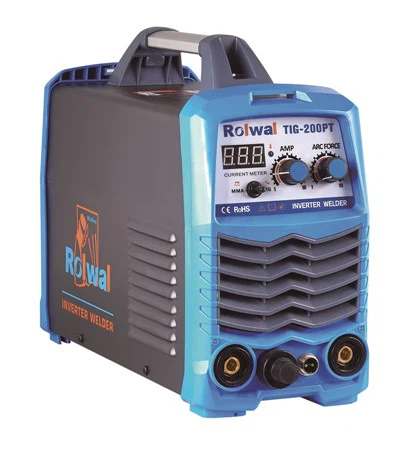
Improving the arc starting performance of your MIG welding machine is all about understanding the factors that affect it and taking the necessary steps to optimize them. By choosing the right welding wire, setting the correct welding current and voltage, adjusting the wire feed speed, using the right shielding gas, and maintaining your welding equipment, you can achieve a good arc start every time.
Centrifugal Pump If you’re still having trouble with arc starting, don’t hesitate to reach out to me. As a MIG welding machine supplier, I have a lot of experience in this area, and I’d be happy to help you troubleshoot the problem. Whether you’re a professional welder or a DIY enthusiast, I’m here to support you and help you get the most out of your welding machine. So, if you’re interested in improving your welding experience and getting better results, feel free to contact me for more information and to discuss your specific needs. Let’s work together to make your welding projects a success!
References
- AWS Welding Handbook, Volume 1: Welding Science and Technology, American Welding Society
- Miller Electric Mfg. Co., "MIG Welding Basics," Miller Electric website
- Lincoln Electric, "Understanding MIG Welding," Lincoln Electric website
Lewei Pumps Industry Co., Ltd.
Lewei Pumps Industry Co., Ltd. is one of the most professional mig welding machine manufacturers and suppliers in China, featured by quality products and low price. Please rest assured to buy bulk discount mig welding machine for sale here and get free sample from our factory. Also, customized service is available.
Address: Shanshi Industrial Zone, Daxi Town, Wenling City, Zhejiang Province, China
E-mail: info@rolwal.com
WebSite: https://www.rolwalpumpweld.com/
